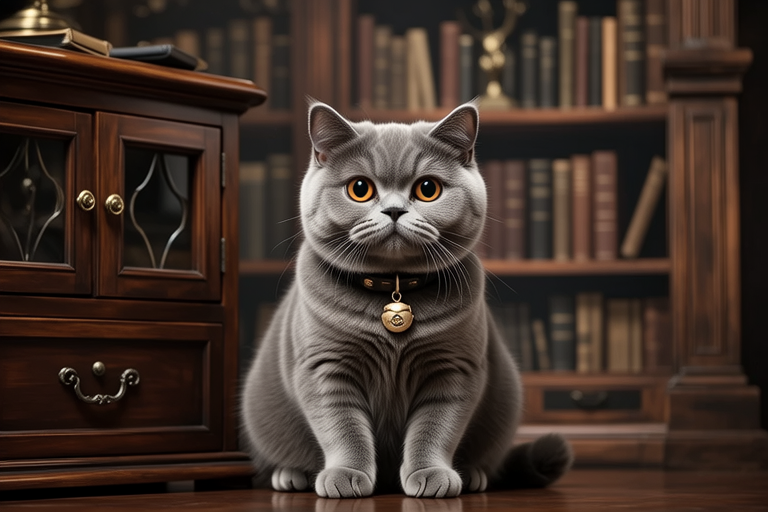
From Royal Companion To Modern Day Pet Star
Pets have been cherished companions throughout human history, often playing significant roles in the lives of royalty. From ancient Egypt to modern-day Hollywood, animals have provided comfort, loyalty, and entertainment to those in power. This article explores the historical significance of pets in royal households, their transition to beloved family members, and the rise of pet stardom in the digital age.
The Historical Significance of Pets in Royal Households
In ancient Egypt, cats were revered as sacred beings, often associated with deities like Bastet, the goddess of fertility, protection, and motherhood. Pharaohs kept cats as pets, believing they brought good fortune and protected their homes from evil spirits. The Egyptian reverence for felines extended beyond domestic life; cats were mummified and buried alongside their owners, symbolizing the deep emotional bonds shared between humans and animals.
During the Middle Ages, European nobility favored dogs, particularly breeds known for their hunting prowess. King Henry VIII of England owned several hounds, which accompanied him on royal hunts. These dogs not only served practical purposes but also reflected the owner’s status and wealth. In contrast, Queen Elizabeth I had a fondness for caged birds and monkeys, which she kept as exotic pets to showcase her vast resources and global influence.
Asian empires also embraced the presence of animals within royal courts. In Japan, the Shiba Inu became a popular choice among samurai warriors due to its small size, agility, and loyalty. Meanwhile, in China, the Pekingese was a favorite among emperors, who believed these dogs possessed magical powers that could ward off evil. These animals were often presented as gifts between rulers, further cementing their importance in diplomatic relations.
The Evolution of Pets: From Royal Companions to Beloved Family Members
As monarchies declined and democracies emerged, pets continued to play vital roles in people’s lives. However, their status shifted from symbols of power and prestige to sources of comfort and companionship. With the advent of industrialization, urbanization, and increased leisure time, more individuals began keeping animals as pets rather than merely functional tools or status symbols.
The 19th century witnessed a growing appreciation for domesticated animals, particularly dogs and cats. Victorian-era Britain saw a surge in pet ownership, with many families adopting animals to fill emotional voids left by rapid societal changes. This trend spread across continents, fostering a deeper understanding of animal welfare and psychology.
Today, pets are considered integral parts of households worldwide. They provide emotional support, reduce stress levels, and offer unconditional love. Research indicates that interacting with animals can lower blood pressure, decrease anxiety, and improve overall mental health. Consequently, pets have become indispensable members of families, celebrated for their unique personalities and contributions to daily life.
The Rise of Social Media and Pet Stardom
The internet revolutionized the way we communicate and share information, creating unprecedented opportunities for pet owners to showcase their furry friends. Social media platforms like Instagram, TikTok, and YouTube have given rise to countless pet influencers, transforming ordinary animals into celebrities overnight.
Take for instance, Grumpy Cat (Tardar Sauce), a calico cat born with an underbite and crossed eyes. Her distinctive appearance captured millions of hearts when her owner posted pictures online. What started as a hobby soon turned into a global phenomenon, earning Grumpy Cat millions of followers and numerous endorsement deals. Similarly, Boo, a French Bulldog, became an internet sensation after his owner uploaded photos of him wearing Halloween costumes. Boo’s popularity skyrocketed, leading to collaborations with major brands and appearances in television commercials.
These success stories highlight the immense potential for pet influencers to reach vast audiences and generate substantial income through various means, including sponsored posts, merchandise sales, and book deals. The pet influencer industry has grown exponentially, attracting investors and entrepreneurs eager to capitalize on this burgeoning market.
The Industry Surrounding Pet Stardom
As pets gain increasing prominence in popular culture, so too does the industry catering to them. Brands now recognize the value of partnering with pet influencers to promote products and services. Whether it’s food, toys, grooming supplies, or fashion accessories, companies are leveraging the appeal of animal stars to connect with consumers.
Branded content plays a crucial role in shaping public perception and driving sales. By featuring pets in advertisements, businesses can create authentic and relatable narratives that resonate with viewers. For example, a pet food company might collaborate with a popular dog influencer to showcase the benefits of their product through a series of short videos demonstrating improved energy levels and coat condition.
Moreover, the rise of e-commerce platforms has made it easier for pet influencers to monetize their following. Many now operate online stores selling everything from custom-made collars to handcrafted treats. These ventures not only generate revenue but also foster community engagement, allowing fans to interact directly with their favorite animals and creators.
The Future of Pet Stardom
Looking ahead, the future of pet stardom appears bright, driven by advancements in technology and evolving consumer preferences. Virtual reality experiences, augmented reality filters, and interactive apps will likely expand the ways in which pets engage with audiences. Additionally, sustainability concerns may influence the types of products endorsed by pet influencers, promoting eco-friendly alternatives over mass-produced items.
Ultimately, the enduring bond between humans and their animal companions remains at the heart of pet stardom. As long as there are individuals seeking solace, joy, and companionship from their four-legged friends, pets will continue to captivate our imaginations and touch our hearts. Whether through social media platforms or real-world interactions, these special relationships remind us of the profound impact animals have on our lives.
