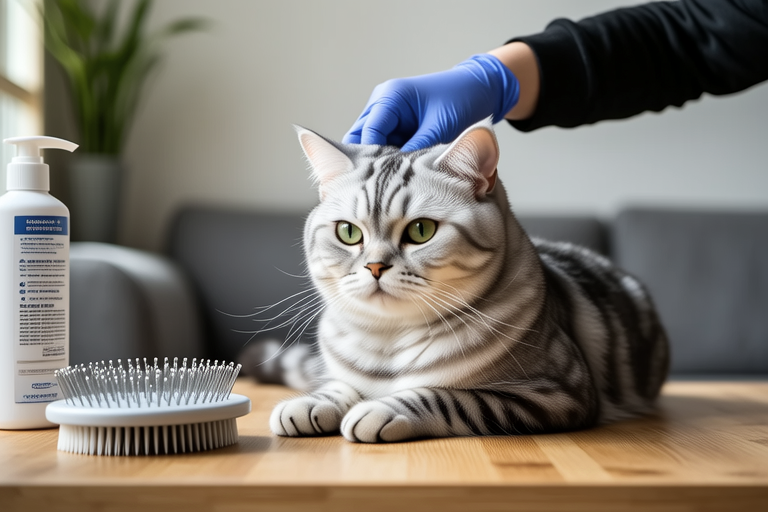
A Comprehensive Guide to Grooming Your American Shorthair at Home
Welcome to this comprehensive guide on grooming your American Shorthair at home. Whether you’re a seasoned cat owner or a new pet parent, this guide will provide you with everything you need to know to keep your feline friend looking and feeling their best.
Understanding the Grooming Needs of an American Shorthair
The American Shorthair is a robust and healthy breed known for its short, dense coat. These cats are generally low-maintenance when it comes to grooming, but they still require regular care to maintain their coat’s health and appearance. Regular grooming also helps to prevent matting, skin issues, and hairballs. Additionally, it provides an opportunity for bonding between you and your cat, which can strengthen your relationship.
Essential Grooming Tools
To effectively groom your American Shorthair, you’ll need a few basic tools:
- Brushes: A slicker brush and a bristle brush are essential. The slicker brush is great for removing loose fur and tangles, while the bristle brush helps distribute natural oils throughout the coat.
- Combs: Fine-toothed combs are useful for removing debris from the fur and checking for any parasites.
- Nail clippers: These are necessary for trimming your cat’s nails.
- Cat shampoo: Choose a gentle, pH-balanced shampoo specifically designed for cats.
- Towels: Have several towels handy for drying your cat after a bath.
- Ear cleaner: Use a veterinarian-approved ear cleaner to keep your cat’s ears clean and free of wax buildup.
- Eyewipes: Soft, damp cloths or wipes designed for pets can be used to gently clean around the eyes.
Bathing Your American Shorthair
Bathing your cat may seem daunting, but with patience and the right approach, it can be a stress-free experience for both you and your pet. Here’s how to bathe your American Shorthair:
- Prepare the area: Fill a sink or bathtub with about 3 inches of warm water. Ensure the room temperature is comfortable and the water is not too hot. Place a non-slip mat at the bottom to provide traction.
- Get your cat accustomed to water: If your cat is not used to water, start by wetting their paws and gradually work your way up to their body.
- Lather your cat: Apply a small amount of cat-specific shampoo to your cat’s coat, starting from the head and working your way down to the tail. Avoid getting shampoo in their eyes, ears, or mouth.
- Rinse thoroughly: Rinse your cat thoroughly with warm water, ensuring no shampoo residue remains. Residue can cause irritation.
- Dry your cat: Wrap your cat in a towel and gently pat them dry. You may use a blow dryer on a low, cool setting if your cat is comfortable with it.
Brushing Your American Shorthair
Brushing your American Shorthair regularly helps to remove loose fur and prevent matting. Here’s how to do it:
- Choose the right brush: Use a slicker brush for the majority of your cat’s coat and a bristle brush for finishing touches.
- Start at the head: Begin brushing your cat’s head, working your way down to their back, sides, and tail. Be gentle and move in the direction of hair growth.
- Check for mats: As you brush, check for any mats or tangles. If you find any, carefully work them out with your fingers or use a comb.
- Finish with a bristle brush: Once you’ve brushed through the entire coat, finish with a bristle brush to distribute natural oils and give your cat’s coat a glossy shine.
Nail Trimming
Trimming your cat’s nails is important to prevent overgrowth and potential discomfort. Here’s how to trim your American Shorthair’s nails:
- Get your cat comfortable: Sit on the floor or a low surface with your cat in your lap. Stroke their paws gently to get them relaxed.
- Inspect the nails: Look for the pink part (quick) inside each nail. This is where blood vessels and nerves are located, so avoid cutting into it.
- Trim carefully: Using nail clippers designed for cats, trim a small portion of the tip of each nail. Be careful not to cut too close to the quick.
- Offer treats: Reward your cat with treats and praise after the nail trimming session to create positive associations.
Cleaning Ears and Eyes
Maintaining clean ears and eyes is crucial for your cat’s overall health. Here’s how to clean them:
- Clean the ears: Use a veterinarian-approved ear cleaner and a cotton ball or soft cloth to gently wipe away any debris or wax from the outer ear. Do not insert anything into the ear canal.
- Clean the eyes: Use a soft, damp cloth or eyewipes to gently wipe away any discharge or dirt from the corners of your cat’s eyes. Avoid touching the eyeball itself.
Making the Grooming Process Stress-Free
Grooming can be a stressful time for both you and your cat, but there are steps you can take to make the process smoother:
- Create a calm environment: Choose a quiet, familiar space for grooming sessions.
- Use positive reinforcement: Offer treats and praise during and after grooming to reward good behavior.
- Be patient: Take breaks if your cat becomes agitated or uncomfortable.
Common Grooming Challenges and Solutions
Even with the best intentions, grooming challenges can arise. Here are some common issues and how to address them:
- Resistant cat: Start by introducing your cat to grooming tools gradually and offering treats as rewards.
- Hairballs: Regular brushing helps reduce the amount of hair your cat ingests, reducing the likelihood of hairballs.
- Ear infections: Keep ears clean and consult a vet if you notice signs of infection such as redness, swelling, or discharge.
Maintaining a Regular Grooming Schedule
Consistency is key in maintaining your cat’s grooming routine. Aim to groom your American Shorthair once a week, adjusting frequency based on their individual needs. By establishing a regular grooming schedule, you’ll help ensure your cat stays healthy and comfortable.
