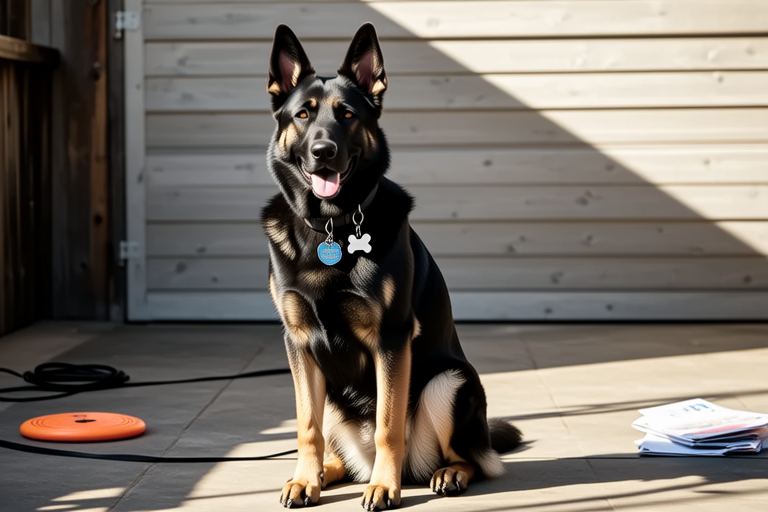
Unleashing the Intelligence of German Shepherds: Training Tips for Owners
Welcome to a comprehensive guide designed to help you unleash the full potential of your German Shepherd. Known for their exceptional intelligence and versatility, these dogs have been cherished for centuries. This article will explore their rich history, the unique traits that make them ideal for various roles, and provide valuable training tips for owners.
The History and Versatility of German Shepherds
German Shepherds have a storied history dating back to the late 19th century when they were developed in Germany. Originally bred for herding sheep, they quickly gained recognition for their loyalty, strength, and intelligence. Their remarkable adaptability has made them suitable for a wide range of roles, including service dogs, police dogs, and loyal companions.
These dogs excel in many fields due to their inherent qualities. They are highly trainable, making them perfect for tasks requiring precision and dedication. Their keen sense of smell and sharp instincts also make them invaluable in search and rescue operations, law enforcement, and military service. Their versatility extends beyond professional roles; they are beloved family pets, providing companionship and protection.
Understanding Basic Dog Psychology
To effectively train a German Shepherd, it’s crucial to understand their basic psychology. Dogs are pack animals and thrive in environments where they feel secure and respected. As a leader, your role is to establish yourself as the alpha figure in the pack. This doesn’t mean being harsh or dominant but rather setting clear boundaries and rules.
Dogs respond well to consistency and predictability. They need to know what is expected of them and what behaviors are acceptable. Positive reinforcement is key in building trust and encouraging desired behaviors. By rewarding good behavior and ignoring bad behavior, you can shape your dog’s actions in a way that benefits both of you.
Essential Commands Every German Shepherd Should Know
Teaching your German Shepherd basic commands is the foundation of effective communication. These commands include:
- Basic Obedience Commands: Sit, Stay, Come, Down, and Heel. These commands ensure your dog listens and follows instructions.
- House Training Commands: Teach your dog to go potty outside using specific commands like ‘Outside’ or ‘Go potty.’
- Advanced Commands: For more advanced training, consider teaching commands like ‘Fetch,’ ‘Leave it,’ and ‘Drop it.’
Consistency is vital in teaching commands. Use a consistent voice tone and body language each time you give a command. Reinforce the command with a reward, such as a treat or praise, to encourage your dog to associate the command with the action.
Advanced Training Techniques
Once your German Shepherd has mastered basic commands, you can move on to more advanced training techniques. These techniques can help your dog develop skills that are useful in specific situations or enhance their overall obedience.
- Target Training: Teach your dog to touch a target (like a stick or your hand) on command. This can be useful for guiding your dog in certain directions or for performing tricks.
- Impulse Control Training: Teach your dog self-control, especially in high-stress situations. This can involve games like ‘Red Light, Green Light,’ where your dog learns to wait for your signal before moving.
- Agility Training: Engage your dog’s natural athleticism by teaching them to navigate obstacles like tunnels, jumps, and weave poles. Agility training not only improves physical fitness but also strengthens the bond between you and your dog.
Remember, advanced training should always build upon the foundation of basic obedience. It’s important to progress at a pace that suits your dog’s learning style and temperament.
Positive Reinforcement Methods
Positive reinforcement is one of the most effective training methods for German Shepherds. It involves rewarding your dog for good behavior, which encourages them to repeat that behavior in the future. Rewards can be treats, praise, petting, or playtime, depending on what motivates your dog the most.
When using positive reinforcement, it’s essential to be timely and consistent. Reward your dog immediately after they perform the desired behavior. This helps them make the connection between the action and the reward. Over time, your dog will learn to associate the behavior with the positive outcome, leading to better obedience.
Avoid punishment-based training methods, as they can lead to fear, anxiety, and aggression. Instead, focus on building a positive relationship with your dog based on mutual respect and understanding.
Common Challenges During Training
Training a German Shepherd can be rewarding, but it also comes with its challenges. Some common issues you may encounter include:
- Overexcitement: German Shepherds are energetic and may become overexcited during training sessions. To manage this, break training sessions into shorter intervals and incorporate plenty of breaks.
- Independence: While intelligent, German Shepherds can sometimes be independent thinkers. Be patient and persistent in your training approach. Consistency and positive reinforcement will help reinforce the desired behavior.
- Chewing: Chewing is a natural behavior for dogs, but it can become problematic if your dog starts chewing on inappropriate items. Provide appropriate chew toys and redirect your dog’s attention to these when they start chewing on something they shouldn’t.
Addressing these challenges requires patience, consistency, and creativity. By staying calm and focused, you can overcome these hurdles and continue to build a strong bond with your dog.
Tailoring Training Sessions Based on Individual Temperaments
Every German Shepherd has a unique personality and temperament. It’s important to tailor your training approach to suit your dog’s individual needs. Some dogs may be more sensitive and require gentler methods, while others may be more stubborn and need firmer guidance.
Observe your dog’s reactions during training sessions to determine what works best for them. Pay attention to their body language, energy levels, and responsiveness. Adjust your training methods accordingly to create a positive and productive learning environment.
For example, if your dog becomes anxious or stressed during training, try breaking the session into shorter intervals or offering more frequent breaks. If your dog is struggling with a particular command, revisit the basics and gradually increase the difficulty level. Tailoring your approach to your dog’s temperament will help you build a stronger, more trusting relationship.
Maintaining a Strong Bond Through Continuous Learning and Interaction
The final step in unleashing the intelligence of your German Shepherd is maintaining a strong bond through continuous learning and interaction. Training should be seen as an ongoing process, not just a series of lessons. Regular training sessions keep your dog mentally stimulated and physically active.
Engage in activities that challenge your dog’s mind and body. Puzzle toys, agility courses, and scent work are great ways to keep your dog engaged and entertained. Additionally, spend quality time together, whether it’s going for walks, playing fetch, or simply cuddling. The more you interact with your dog, the stronger your bond will become.
Remember, training is not just about teaching commands but also about building a relationship based on trust, respect, and mutual understanding. By continuously learning and growing together, you can enjoy a fulfilling and rewarding partnership with your German Shepherd.
In conclusion, owning a German Shepherd is a rewarding experience filled with opportunities for growth and learning. By understanding their intelligence, tailoring your training approach to their unique needs, and maintaining a strong bond through continuous interaction, you can unlock their full potential. With patience, consistency, and positive reinforcement, you can turn your German Shepherd into a well-behaved, obedient, and loyal companion.
