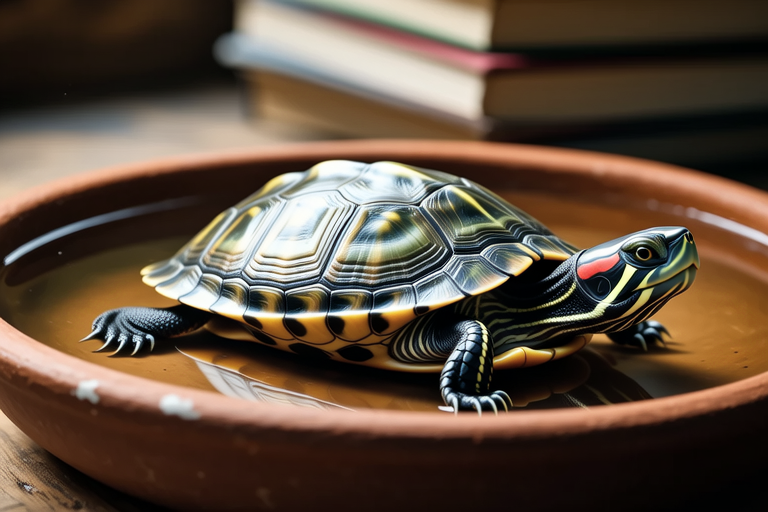
Unraveling Myths: Common Misconceptions About Red-Eared Sliders
Red-eared sliders, scientifically known as Trachemys scripta elegans, are among the most popular pet turtles worldwide. Their vibrant green shells, distinctive red stripes behind their eyes, and relatively manageable size make them appealing to many. However, owning a red-eared slider comes with responsibilities that many new owners may not fully understand. This article aims to unravel some of the most common misconceptions about these reptiles, providing accurate information to ensure they are cared for properly.
Myth 1: Red-Eared Sliders Are Easy to Maintain
One prevalent myth is that red-eared sliders are easy to maintain, requiring minimal effort once set up. In reality, maintaining optimal living conditions for these turtles demands significant time and resources. They need a spacious tank, adequate filtration systems, UVB lighting, and regular water changes. The tank should be at least 40 gallons for a single adult, increasing in size as the turtle grows. Without proper maintenance, the water can become dirty, leading to health issues like shell rot or respiratory infections.
Myth 2: Red-Eared Sliders Can Survive on a Diet of Commercial Pellets Alone
Another misconception is that feeding commercial turtle pellets alone is sufficient for their diet. While pellets provide essential nutrients, a varied diet is crucial for their overall health. Red-eared sliders are omnivorous, requiring a mix of vegetables, fruits, and proteins. Their diet should consist of approximately 25% protein, 25% vegetables, and 50% commercial pellets. Foods such as leafy greens, carrots, and occasional insects or fish should be included to ensure balanced nutrition.
Myth 3: Red-Eared Sliders Can Live in Small Bowls or Aquariums
It’s often believed that red-eared sliders can thrive in small bowls or aquariums. This is far from true. These turtles require ample space to swim and bask. A young slider needs a minimum of 10 gallons per inch of shell length, with this requirement increasing as they grow. For adults, a 75-gallon tank is the bare minimum. Additionally, they need areas to bask under UVB lights, which promote calcium absorption and prevent metabolic bone disease.
Myth 4: Red-Eared Sliders Have a Short Lifespan
The lifespan of red-eared sliders is frequently underestimated. Many believe these turtles only live for a few years. In fact, when provided with proper care, red-eared sliders can live up to 30 years or more. This longevity underscores the importance of making a long-term commitment to their care, ensuring they have a healthy environment throughout their lives.
Myth 5: Red-Eared Sliders Don’t Require Special Lighting
Some owners assume that natural sunlight is enough for red-eared sliders. However, indoor lighting plays a critical role in their health. UVB light is necessary for vitamin D synthesis, which aids in calcium absorption. Without it, they can develop metabolic bone disease, leading to weakened bones and shells. UVB bulbs should be replaced every six months, even if they still appear functional, as their effectiveness diminishes over time.
Myth 6: Red-Eared Sliders Are Low-Maintenance Pets
Despite their popularity, red-eared sliders are not low-maintenance pets. They require consistent attention to their habitat, diet, and health. Regular cleaning of the tank, monitoring water quality, and checking for signs of illness are all part of responsible ownership. Owners must also be prepared for the financial commitment, including the cost of veterinary care, specialized equipment, and food.
Myth 7: Red-Eared Sliders Can Be Released into the Wild
A dangerous myth is that owners can release unwanted red-eared sliders into local bodies of water. This practice poses significant risks to native wildlife and ecosystems. Red-eared sliders are invasive species in many regions, outcompeting native species for resources and altering habitats. Responsible pet owners should never release their pets into the wild; instead, they should seek reputable rescue organizations or find new homes through adoption services.
Advice for Potential Owners
For those considering adding a red-eared slider to their family, here are some key points to keep in mind:
- Research thoroughly: Understand the specific needs of red-eared sliders before making a purchase.
- Commit to long-term care: These turtles can live for decades, so be prepared for a lifelong commitment.
- Provide appropriate housing: Ensure your turtle has a large, well-maintained tank with proper filtration, heating, and lighting.
- Offer a balanced diet: Feed a variety of foods to meet their nutritional needs.
- Monitor health regularly: Keep an eye on your turtle’s behavior and physical condition, seeking veterinary help if needed.
- Rescue and adopt: Consider adopting from a rescue organization or purchasing from reputable breeders who prioritize animal welfare.
Owning a red-eared slider can be a rewarding experience, but it requires dedication and knowledge. By dispelling common myths and understanding the true needs of these reptiles, owners can provide the best possible care for their pets and ensure they lead healthy, happy lives.
