Siberian Huskies: Myths vs Reality – What Every Pet Lover Should Know
Introduction
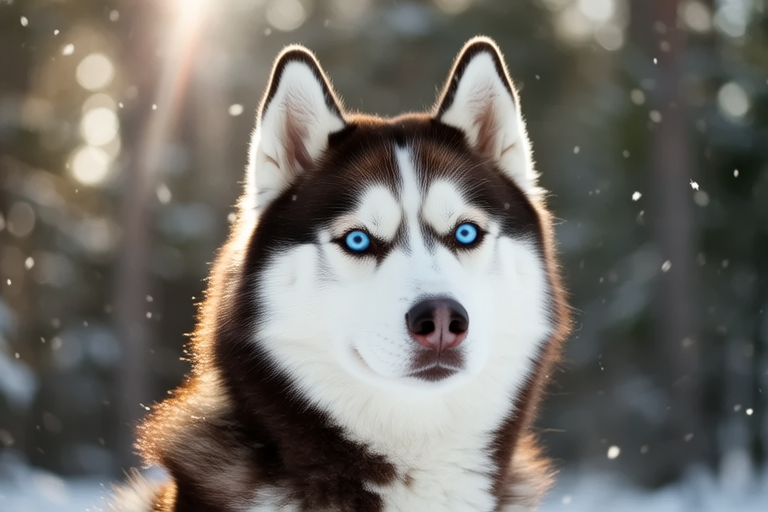
The Siberian Husky is one of the most iconic dog breeds, known for its striking blue or multi-colored eyes, thick fur, and friendly demeanor. Despite their popularity, many myths surround this breed, often leading to misunderstandings about their care and suitability as pets. This article aims to dispel these myths and present a balanced view of what it truly means to own a Siberian Husky.
Historical Background
The Siberian Husky has a rich history that dates back over 3,000 years. Originating from the Chukchi people of Northeastern Asia, these dogs were originally bred as sled dogs, renowned for their endurance and ability to work in harsh Arctic conditions. They were integral to the survival of the Chukchi people, pulling sleds loaded with supplies across vast distances in frigid temperatures. Their strength, stamina, and resilience made them invaluable companions in a challenging environment.
In 1908, Siberian Huskies were brought to Alaska by Russian fur traders, where they quickly gained recognition for their racing abilities. One notable event was the 1925 serum run to Nome, Alaska, during which a team of Siberian Huskies delivered life-saving diphtheria antitoxin across treacherous terrain, saving countless lives. This event cemented the breed’s reputation as a reliable and hardworking sled dog.
Exercise Needs
One of the most common myths about Siberian Huskies is that they require minimal exercise due to their seemingly laid-back nature. In reality, Siberian Huskies are an active breed that thrives on physical activity. Their heritage as working dogs means they have a high energy level and a strong desire to run and explore. Regular, vigorous exercise is essential for their physical and mental well-being.
While daily walks are beneficial, Siberian Huskies truly excel in activities such as running, hiking, and participating in dog sports like agility and obedience trials. Providing ample opportunities for physical exertion helps prevent behavioral issues stemming from boredom or excess energy. It’s important to note that these dogs should be kept on a leash or in a securely fenced area when outside, as their strong prey drive and tendency to roam can lead to wandering if given the chance.
Social Behavior
Another misconception about Siberian Huskies is that they are aloof and distant. While they may not exhibit the same level of overt affection as some other breeds, Siberian Huskies are generally friendly and sociable. They tend to form strong bonds with their families and can be very loyal companions. However, they are not typically “one-person” dogs; they usually get along well with everyone in the household.
Siberian Huskies are also known for their pack mentality, meaning they thrive in environments where they feel part of a group. They enjoy the company of other dogs and can coexist peacefully with them, especially if introduced at a young age. Socialization from an early age is crucial to ensure they grow up to be well-adjusted, friendly dogs. Proper training and positive reinforcement can help manage any potential dominance or territorial behaviors.
Grooming Requirements
A common myth about Siberian Huskies is that their thick coat makes them difficult to groom. While it’s true that they have a double coat that requires regular attention, proper grooming can be manageable with the right tools and techniques. The breed sheds heavily twice a year, particularly in the spring and fall, during which time their undercoat comes out in large quantities.
To maintain their coat and prevent matting, Siberian Huskies should be brushed regularly, ideally several times a week. A slicker brush or a pin brush works well for removing loose hair and preventing tangles. Bathing should be done sparingly, only when necessary, as frequent bathing can strip the coat of its natural oils. Additionally, paying attention to their nails, teeth, and ears is important for overall health and hygiene.
Health Considerations
Like all breeds, Siberian Huskies are prone to certain health issues. Some of the most common conditions include hip dysplasia, progressive retinal atrophy (PRA), and cataracts. Responsible breeding practices can help minimize the risk of inherited diseases, so it’s important for potential owners to research and choose reputable breeders.
Siberian Huskies are generally a healthy breed with a lifespan of around 12 to 14 years. Regular veterinary check-ups, a balanced diet, and appropriate exercise contribute to their longevity and overall well-being. Owners should be aware of signs of illness or discomfort and seek prompt medical attention if needed.
Adaptability to Different Living Conditions
Contrary to popular belief, Siberian Huskies are adaptable to various living conditions, provided their exercise and social needs are met. While they thrive in colder climates, they can also live comfortably in warmer regions if given access to shade, cool water, and opportunities to swim. It’s important to monitor them closely during hot weather to prevent overheating, as their thick coats can make them more susceptible to heat-related issues.
They are relatively quiet dogs, rarely barking excessively, which makes them suitable for apartment living as long as they have sufficient outlets for physical activity. However, due to their strong desire to roam, it’s essential to ensure they have a secure living environment. A well-fenced yard or access to a leash-free area where they can safely run and play is ideal.
Tips for Potential Owners
Owning a Siberian Husky requires commitment and understanding of their unique needs. Here are some tips for potential owners:
- Research Reputable Breeders: Ensure you’re purchasing from a responsible breeder who prioritizes the health and temperament of their dogs.
- Prepare for High Exercise Needs: Be prepared to dedicate significant time to providing your Husky with the physical and mental stimulation they need.
- Consider Training: Siberian Huskies can be independent and stubborn, so patience and consistent training are key. Positive reinforcement methods work best.
- Be Prepared for Shedding: Invest in quality grooming tools and plan for regular brushing sessions, especially during shedding seasons.
- Provide Mental Stimulation: Puzzle toys, interactive games, and training sessions can help keep your Husky mentally engaged and prevent boredom.
Conclusion
Siberian Huskies are fascinating dogs with a rich history and unique characteristics. By separating fact from fiction, potential owners can make informed decisions about whether this breed is right for them. With the right care, attention, and environment, Siberian Huskies can make wonderful, loyal companions. Understanding their true nature and needs is key to ensuring a happy and healthy relationship between owner and pet.
