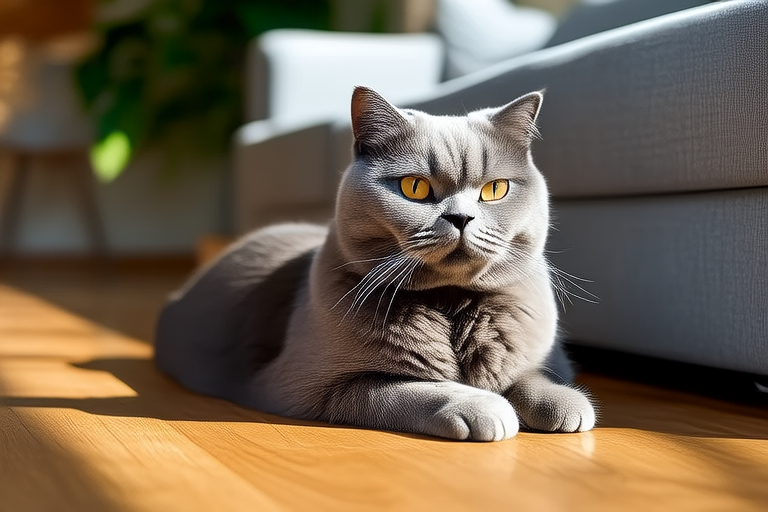
The Ultimate Guide to Caring for Your American Shorthair at Home
Welcome to the comprehensive guide designed to help you care for your American Shorthair cat at home. Whether you’re a first-time owner or have years of experience, this guide will provide you with all the necessary information to ensure your feline companion leads a healthy and happy life.
Basic Information About American Shorthairs
The American Shorthair is one of the most popular cat breeds in the United States, known for its robust health, gentle nature, and adaptability. These cats have a rich history dating back centuries, originally brought to North America by European settlers. They were initially used as working cats to control rodent populations but quickly became beloved family pets. American Shorthairs are medium-sized, muscular cats with a broad chest and a well-proportioned body. Their short, dense coat comes in various colors and patterns, making them visually appealing. This breed is known for its calm demeanor and affectionate personality, which makes them great companions for families with children and other pets.
Dietary Needs
Feeding your American Shorthair a balanced diet is crucial for maintaining their overall health. High-quality commercial cat food, either wet or dry, should be the cornerstone of their diet. Look for products that list meat as the primary ingredient, as cats are obligate carnivores and require a diet rich in animal protein. Wet food is particularly beneficial because it contains more moisture, which helps prevent urinary tract issues common in cats. It’s important to avoid feeding your cat human food, especially items like chocolate, onions, garlic, and caffeine, which can be toxic. Additionally, ensure fresh water is always available. Regular meals rather than free feeding are recommended to maintain a healthy weight and prevent overeating. Consult your veterinarian for specific dietary recommendations based on your cat’s age, activity level, and any existing health conditions.
Grooming Requirements
Despite their short fur, American Shorthairs still require regular grooming to keep their coats healthy and shiny. Brushing your cat once or twice a week will help remove loose hair and distribute natural oils throughout the coat. This can also reduce shedding around your home and minimize hairballs. Bathing is generally unnecessary unless your cat gets into something particularly messy, but if needed, use a cat-specific shampoo. Nail trimming should be done every few weeks to prevent overgrowth, which can lead to discomfort or injury. Teeth brushing is essential for maintaining good oral hygiene; aim to brush your cat’s teeth several times a week using a pet-safe toothpaste. Regular grooming sessions not only benefit your cat’s physical health but also strengthen the bond between you and your pet.
Exercise Recommendations
American Shorthairs are moderately active cats that enjoy both mental and physical stimulation. Providing toys that encourage hunting and chasing instincts, such as feather wands or laser pointers, can help keep them entertained and physically fit. Puzzle feeders that challenge your cat to work for their food can also stimulate their minds while providing exercise. Interactive playtime with you is vital for building a strong relationship and meeting their social needs. Aim for daily play sessions of at least 15 minutes. Creating an enriched environment with climbing structures, scratching posts, and hiding spots can further enhance their quality of life. Encouraging exercise through these activities will contribute to your cat’s overall well-being and prevent obesity.
Health Concerns
While American Shorthairs are generally healthy cats, they can be prone to certain genetic conditions. Hypertrophic cardiomyopathy (HCM), a heart disease, is one of the most significant concerns for this breed. Regular veterinary check-ups, including heart screenings, are recommended to catch any potential issues early. Polycystic kidney disease (PKD) is another inherited condition that can affect American Shorthairs. Early diagnosis and management can improve the quality of life for affected cats. Dental problems are common in older cats, so maintaining good oral hygiene through regular brushing and professional cleanings is essential. Obesity is another concern that can lead to various health issues, including diabetes and joint problems. Monitoring your cat’s weight and adjusting their diet and exercise accordingly can help prevent this. Always consult your veterinarian regarding any health concerns or questions you may have.
Tips for Socializing and Training
Socializing your American Shorthair from a young age will help them become comfortable with different people, animals, and environments. Expose your kitten to various stimuli, such as different sounds, textures, and scents, under controlled and positive circumstances. This will create a well-rounded and confident adult cat. American Shorthairs tend to be relatively easy to train due to their intelligence and desire to please their owners. Positive reinforcement techniques, such as treats and praise, work best when teaching commands or tricks. Clicker training can also be effective for shaping behaviors. Encourage your cat to use scratching posts instead of furniture by placing them in strategic locations and rewarding them when they use them correctly. Providing a consistent routine for feeding, playtime, and bedtime can also help establish a harmonious relationship between you and your cat.
In conclusion, caring for an American Shorthair involves attention to their unique dietary, grooming, exercise, and socialization needs, as well as awareness of potential health issues. By following the guidelines outlined in this guide, you can ensure your American Shorthair enjoys a long, healthy, and happy life. Remember, every cat is an individual, so it’s important to tailor your approach based on your pet’s specific requirements and preferences. With proper care and love, your American Shorthair will undoubtedly bring joy and companionship to your home.
