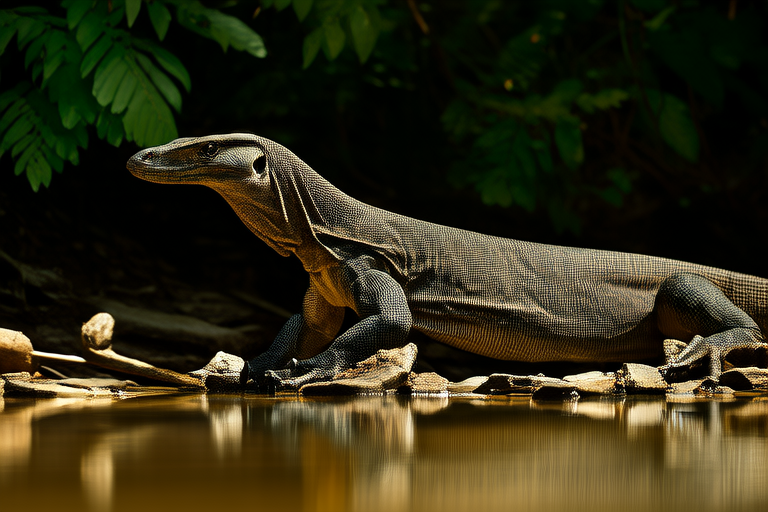
A Tail-ored Approach: Top Tips for Raising a Healthy Water Monitor
Welcome to the fascinating world of water monitors! These magnificent creatures, scientifically known as Varanus salvator, are among the largest lizards globally and require specific care to thrive. This comprehensive guide will walk you through setting up their ideal habitat, understanding their dietary needs, ensuring they get adequate exercise, monitoring their health, and avoiding common pitfalls. Whether you’re a seasoned reptile owner or just starting your journey, this article will provide you with all the necessary tools to raise a healthy and happy water monitor.
Setting Up the Perfect Habitat
The first step in raising a healthy water monitor is creating a suitable environment that mimics their natural habitat. Water monitors are semi-aquatic, meaning they spend significant time both in and out of water. Therefore, their enclosure must accommodate both land and water areas.
Size Matters: A spacious tank is crucial. For a young water monitor, a 55-gallon aquarium might suffice, but as they grow, so should their living space. An adult water monitor requires a minimum of 180 gallons, preferably larger. The enclosure should be at least four times the length of the lizard and twice its width to allow ample room for movement.
Water Area: Ensure the water area is deep enough for swimming and contains a filtration system to maintain cleanliness. A water heater can also help maintain the appropriate temperature range for your monitor.
Land Area: Provide a basking area where your monitor can dry off after swimming. Use substrates like reptile carpet or large river rocks to prevent ingestion of harmful materials. Add climbing structures, such as branches or logs, to encourage physical activity.
Temperature and Humidity: Maintain a temperature gradient within the enclosure, ranging from 85 to 95 degrees Fahrenheit (29 to 35 Celsius) during the day and slightly cooler at night. The humidity level should be around 70-80%. Proper thermometers and hygrometers are essential tools to ensure these conditions are met.
Dietary Needs
Water monitors are carnivorous and have a diverse diet in the wild. Replicating this diet in captivity is key to their health.
Protein Sources: Their primary food consists of insects, fish, rodents, and occasionally eggs. Feed juveniles smaller prey items such as crickets, mealworms, and pinky mice. As they grow, switch to larger prey like adult mice, rats, and whole fish.
Variety is Key: Offer a varied diet to ensure balanced nutrition. Incorporate different types of prey to mimic their natural diet. Supplement their meals with calcium and vitamins to support bone health and overall well-being.
Feeding Frequency: Young water monitors need to eat daily, while adults can be fed every two to three days. Always remove uneaten food to prevent contamination and bacterial growth.
Exercise and Activity
Physical activity is vital for water monitors’ health. Encourage movement through the design of their enclosure and providing opportunities for exercise.
Enclosure Design: As mentioned earlier, a spacious tank with plenty of climbing structures and a deep water area encourages natural behaviors. Ensure the enclosure is escape-proof and secure.
Swimming: Swimming is a natural behavior that provides exercise and mental stimulation. Regular access to clean, fresh water is essential.
Interactive Play: Engage your monitor with toys or interactive feeding techniques. For example, hide treats in their enclosure to encourage foraging behavior.
Health Monitoring
Closely monitoring your water monitor’s health is crucial for early detection and treatment of any issues.
Regular Check-Ups: Schedule routine veterinary check-ups with a reptile-savvy veterinarian. They can perform thorough examinations, including blood tests and fecal checks, to ensure your monitor is healthy.
Signs of Illness: Be vigilant for signs of illness, such as lethargy, loss of appetite, abnormal droppings, or changes in skin coloration. Promptly consult a veterinarian if you notice any concerning symptoms.
Parasite Control: Parasites are common in reptiles, especially those kept in less-than-ideal conditions. Regular deworming and parasite control treatments are necessary to maintain your monitor’s health.
Common Pitfalls to Avoid
Raising a water monitor comes with unique challenges. Here are some common pitfalls to avoid:
Overfeeding: Overfeeding can lead to obesity and related health issues. Stick to the recommended feeding schedule and portion sizes.
Inadequate Lighting: Proper lighting is essential for vitamin D synthesis and overall health. Use UVB bulbs designed for reptiles and replace them every six months.
Poor Hygiene: Maintaining a clean enclosure is critical. Regular cleaning and changing of water prevents bacterial and fungal infections.
Handling Mistakes: While water monitors can become accustomed to handling, it’s important to handle them gently and avoid over-stressing them. Always support their body fully when holding them.
Conclusion
Raising a healthy water monitor requires dedication, knowledge, and attention to detail. By setting up an appropriate habitat, providing a balanced diet, encouraging exercise, and regularly monitoring their health, you can ensure your water monitor thrives. Remember, each water monitor is unique, so adapt your care practices based on their individual needs and behaviors. With proper care, your water monitor will live a long, healthy, and fulfilling life.
