Unleashing the Charm: Discover Why Leopard Geckos Make Great Pets
Welcome to the fascinating world of leopard geckos! These captivating creatures have become increasingly popular among pet enthusiasts due to their unique appearance and docile nature. In this article, we will explore why leopard geckos make excellent pets, delve into their care requirements, and provide essential tips for beginners. By the end, you’ll understand why these charming reptiles are ideal companions for both adults and children.
The Unique Appearance of Leopard Geckos
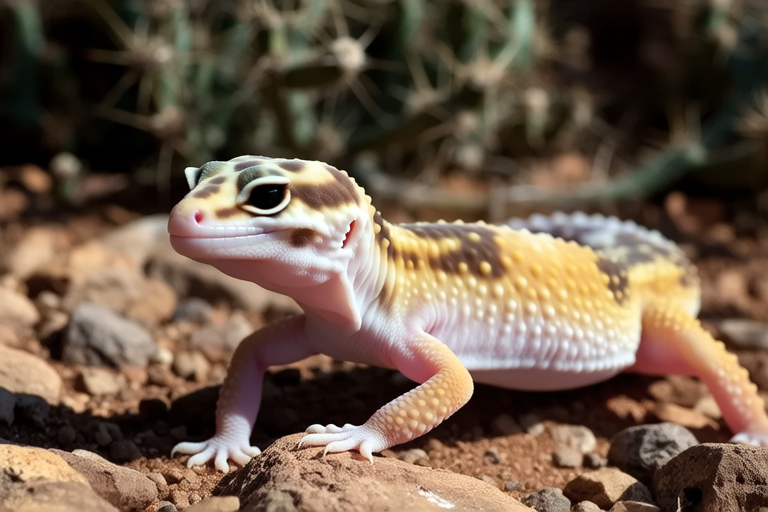
Leopard geckos, scientifically known as Eublepharis macularius, are small lizards native to the arid regions of Afghanistan, Pakistan, India, and parts of Iran. Their most striking feature is their distinctive patterned skin, which resembles the spots of a leopard, hence their name. These geckos come in various colors, from classic yellow and black to more exotic hues like albino white and high contrast reds. Their smooth, soft skin and lack of sticky toe pads set them apart from other gecko species, making them easy to handle.
Leopard geckos have a charming demeanor that adds to their appeal. They are nocturnal, meaning they are most active during the night, but they can also be seen basking or exploring their enclosure during the day. Their large, expressive eyes and gentle movements make them a delight to observe. Additionally, they are non-aggressive and rarely bite, making them perfect for beginners and families with children.
Care Requirements for Leopard Geckos
Housing Leopard Geckos
Creating a suitable habitat is crucial for the well-being of your leopard gecko. A glass terrarium with a secure lid is ideal, providing ample space for your pet to move around comfortably. The size of the enclosure should be at least 10 gallons for one adult gecko, with additional space recommended for multiple geckos. A substrate of calcium sand or reptile carpet is preferred, as it is easier to clean and less likely to cause impaction if ingested.
Temperature regulation is vital for maintaining a healthy environment. Leopard geckos require a thermal gradient, with a warm side ranging between 88-90°F (31-32°C) and a cool side around 75-80°F (24-27°C). This can be achieved using under-tank heaters or heat mats placed on one side of the enclosure. It’s important to monitor temperatures closely to avoid overheating or chilling your gecko.
A hide box on both the warm and cool sides provides your gecko with a sense of security. You can use commercially available hides or create DIY options using half-log or cork bark pieces. Additionally, include a shallow water dish filled with clean water for drinking and soaking. Leopard geckos enjoy burrowing, so adding a few inches of substrate or a small cave will enhance their comfort.
Dietary Needs of Leopard Geckos
Leopard geckos are insectivores, feeding primarily on live insects such as crickets, mealworms, and dubia roaches. It’s essential to gut-load feeder insects with nutritious food before offering them to your gecko. Gut-loading involves feeding the insects a diet rich in vitamins and minerals to ensure they pass these nutrients onto your pet when consumed.
Vitamin and mineral supplements are necessary to maintain your gecko’s health. Dusting the feeder insects with a calcium supplement every other feeding and a multivitamin once a week will help prevent deficiencies. Over-supplementation can lead to health issues, so follow the manufacturer’s instructions carefully. Feeding should be done in moderation, typically two to three times a week for adults, with younger geckos requiring more frequent feedings.
Handling Your Leopard Gecko
Leopard geckos are generally calm and docile, making them easy to handle. However, it’s important to approach them gently and respect their boundaries. Always wash your hands before and after handling to prevent the transfer of harmful bacteria. Allow your gecko time to acclimate to its new home before handling, as excessive handling can cause stress.
When picking up your gecko, gently scoop it from underneath, supporting its body with both hands. Avoid grabbing it by the tail, as leopard geckos can drop their tails in defense, a process called autotomy. While the tail will eventually grow back, it can take several months and may not look exactly the same as the original.
Tips for Beginners Setting Up a Healthy Environment
Starting with a new pet can be overwhelming, but following these tips will help ensure a healthy and happy leopard gecko:
- Research thoroughly: Before bringing your gecko home, learn about its specific needs and behaviors. Understanding its natural habitat and care requirements will enable you to provide the best possible environment.
- Choose quality products: Invest in high-quality enclosures, substrates, and heating equipment. Cheap alternatives may compromise your gecko’s health and safety.
- Monitor temperature and humidity: Use thermometers and hygrometers to track the conditions within the enclosure. Maintaining proper temperature and humidity levels is crucial for your gecko’s overall well-being.
- Provide enrichment: Leopard geckos benefit from environmental enrichment, such as hiding spots, climbing structures, and varied substrates. This helps stimulate their natural instincts and keeps them mentally engaged.
- Establish a routine: Consistency is key in caring for your gecko. Feed your gecko at the same time each day, clean the enclosure regularly, and schedule regular veterinary check-ups.
Common Health Issues and Prevention
Despite being hardy creatures, leopard geckos can face certain health issues if not cared for properly. Some common problems include:
- Mouth rot: Also known as stomatitis, this bacterial infection causes swelling, redness, and pus around the mouth. Keeping the enclosure clean and providing proper nutrition can help prevent this condition.
- Mites: Tiny parasites that can infest your gecko and its enclosure. Regular cleaning and quarantine of new animals can help prevent mite outbreaks.
- Metabolic bone disease (MBD): Caused by calcium and vitamin D3 deficiencies, MBD leads to weakened bones and skeletal deformities. Ensuring adequate supplementation and providing UVB lighting can help prevent this serious condition.
- Impaction: Occurs when substrate is ingested and cannot pass through the digestive system. Using safe substrates and avoiding overly deep bedding can help prevent impaction.
Regular veterinary check-ups and prompt treatment of any signs of illness are essential for maintaining your gecko’s health. Familiarize yourself with the symptoms of common ailments and consult a reptile-savvy veterinarian if you suspect your gecko is unwell.
The Rewarding Aspects of Owning a Leopard Gecko
Owning a leopard gecko can be a highly rewarding experience. These fascinating creatures offer a unique bond with their owners, providing hours of entertainment and companionship. Watching your gecko explore its enclosure, bask under the heat lamp, or hunt its prey can be a delightful sight. Leopard geckos are low-maintenance pets, requiring minimal attention compared to other animals, making them ideal for busy individuals or those with limited space.
For families with children, leopard geckos can serve as excellent educational tools. Children can learn about responsibility, animal care, and the importance of respecting living creatures. With proper supervision, children can safely handle and interact with their gecko, fostering a love for animals and nature.
In conclusion, leopard geckos are charming and docile reptiles that make wonderful pets for both adults and children. Their unique appearance, manageable care requirements, and rewarding companionship make them an excellent choice for anyone interested in reptiles. By understanding their needs and providing a nurturing environment, you can ensure a long and healthy relationship with your new four-legged friend.
