Betta Care Simplified: Tips for First-Time Owners
Welcome to the world of Betta fish ownership! These vibrant, colorful fish can bring a lot of joy to your home with their unique personalities and graceful movements. However, like any pet, they require proper care to thrive. This guide will walk you through the basics of Betta fish care, ensuring you’re well-equipped to provide a healthy, happy environment for your new friend.
Understanding Your Betta Fish
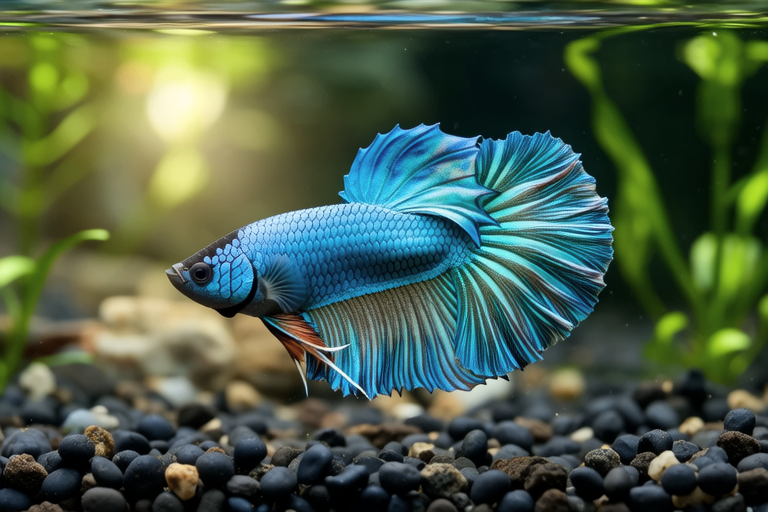
Betta fish, often called Siamese fighting fish, are known for their striking colors and flowing fins. They are native to Thailand, Cambodia, Vietnam, and Malaysia, where they inhabit slow-moving waters such as rice paddies, drainage ditches, and floodplains. Betta fish are labyrinth breathers, meaning they can breathe air directly from the surface, which is why it’s important to ensure your tank has some space for them to access the surface.
Choosing the Right Tank Size
One of the first decisions you’ll make as a new Betta owner is selecting the right tank size. Many people believe that a small bowl is sufficient for a Betta fish, but this is far from ideal. While Betta fish can survive in smaller spaces, they truly thrive in larger environments. A tank of at least five gallons (19 liters) is recommended for optimal health and well-being. Larger tanks offer more stable water conditions and give your Betta room to swim and explore.
It’s crucial to remember that overcrowding can lead to stress and disease, so it’s best to start with a tank that’s appropriately sized for one Betta fish. As your understanding of Betta care grows, you might consider adding more fish or plants, but always prioritize the comfort and health of your primary Betta.
Maintaining the Ideal Water Temperature
Water temperature plays a critical role in Betta fish health. The ideal range for Betta fish is between 76°F and 82°F (24°C to 28°C). Maintaining this temperature ensures your Betta remains active and healthy. Fluctuations outside this range can cause stress and weaken their immune system, making them susceptible to diseases.
To keep the water temperature stable, invest in a reliable aquarium heater. Place the heater near the filter outlet to ensure even heating throughout the tank. Regularly monitor the temperature with a thermometer, and adjust the heater as needed. Additionally, avoid placing your tank near windows or heat sources that could cause temperature fluctuations.
Filtration Needs for a Healthy Environment
A properly functioning filter is essential for maintaining clean water and ensuring your Betta’s health. Filters help remove waste, excess food, and harmful chemicals from the water, creating a safer environment for your fish. However, not all filters are created equal. When choosing a filter, look for one that matches the size of your tank and provides gentle filtration.
Betta fish are sensitive to strong water currents, so opt for a filter that offers a moderate flow rate. Some popular choices include sponge filters or internal power filters designed for small tanks. These filters provide adequate filtration without overwhelming your Betta with too much water movement. Regular maintenance of the filter, including cleaning and replacing parts, is necessary to maintain its effectiveness.
Diet Recommendations for a Balanced Diet
Betta fish are carnivorous and require a balanced diet rich in protein. In the wild, they feed on insects and insect larvae, so it’s important to replicate this diet in captivity. High-quality Betta pellets or flakes are excellent staple foods, providing essential nutrients and proteins. You can also supplement their diet with frozen or freeze-dried foods like bloodworms, brine shrimp, and daphnia.
Feed your Betta fish two to three times daily, offering only what they can consume within a few minutes. Overfeeding can lead to poor water quality and health issues. Be mindful of portion control and avoid feeding more than necessary. Additionally, vary their diet to ensure they receive a wide range of nutrients.
Tank Decoration and Companionship Options
Decorating your Betta’s tank can enhance both their environment and your enjoyment of the setup. Plants, caves, and ornaments provide hiding spots and stimulation, enriching your Betta’s life. Live plants are particularly beneficial as they help improve water quality by absorbing nitrates and releasing oxygen. Java moss, Amazon swords, and Anubias are popular choices among Betta owners due to their ease of care and compatibility with Betta fish.
When it comes to tankmates, it’s important to exercise caution. While Betta fish are often portrayed as aggressive, they can coexist peacefully with certain species under the right conditions. However, male Betta fish should never be housed together due to territorial behavior. Females can sometimes be kept in groups, known as sororities, but this requires careful planning and monitoring.
Other potential tankmates include peaceful bottom-dwelling fish like Corydoras catfish or small, non-aggressive tetras. Always research each species thoroughly before introducing them to your Betta’s tank to ensure compatibility. Remember, the safety and comfort of your Betta should always come first.
Common Health Issues and Prevention
Like all pets, Betta fish can fall ill if not cared for properly. Common health issues include fin rot, ich (white spot disease), and swim bladder disorder. Fin rot, characterized by frayed or discolored fins, is often caused by poor water quality or bacterial infections. Ich presents as tiny white spots on the fish’s body and can be treated with over-the-counter medications. Swim bladder disorder, which affects a fish’s ability to maintain buoyancy, can result from overfeeding or constipation.
To prevent these issues, maintain pristine water conditions by performing regular water changes, testing the water parameters, and addressing any problems promptly. A healthy diet and stress-free environment go a long way in keeping your Betta fish robust and resilient. If you notice signs of illness, consult a veterinarian specializing in exotic pets for guidance and treatment.
Final Thoughts
Caring for a Betta fish can be a rewarding experience when done correctly. By following these tips, you’ll create a nurturing environment that supports your Betta’s physical and emotional well-being. Remember, patience and attentiveness are key. Take time to observe your Betta, learn about their behaviors, and adapt your care routine as needed.
With proper care, your Betta fish can live a long and fulfilling life. Enjoy the journey of being a responsible Betta owner and watch your fish flourish in their new home.
