The Fascinating World of Heterometrus Spinifer
The Heterometrus spinifer, commonly known as the spiny forest scorpion, is an intriguing arachnid that captivates enthusiasts and scientists alike. This article delves into the unique physical characteristics, habitat, behavior, and diet of this species. Additionally, we will explore its conservation status and share personal anecdotes from encounters with this fascinating creature. We’ll also provide essential safety tips and resources for those considering responsible ownership.
Physical Characteristics
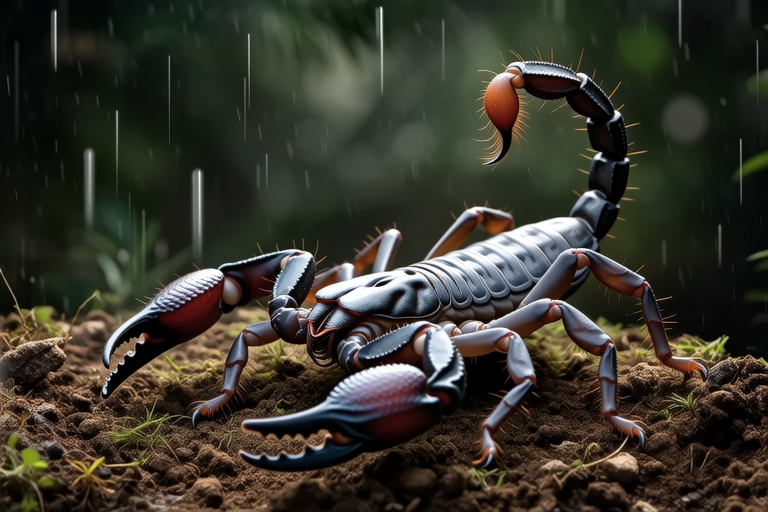
The Heterometrus spinifer boasts a distinctive appearance that sets it apart from other scorpions. It can grow up to 9 centimeters in length, with males typically being slightly larger than females. One of its most striking features is the presence of prominent spines along its tail, which serve both defensive and sensory purposes. These spines help the scorpion navigate its environment and fend off potential threats. The body color ranges from dark brown to black, providing excellent camouflage against predators in its natural habitat.
Another notable feature of the Heterometrus spinifer is its pincers, which vary in size between males and females. Male pincers are generally longer and more robust compared to those of females, aiding them in mating rituals and territorial disputes. Females, on the other hand, possess smaller but equally strong pincers, useful for capturing prey and protecting their offspring.
Habitat and Behavior
Native to Southeast Asia, specifically regions like Thailand, Malaysia, and Indonesia, the Heterometrus spinifer thrives in tropical rainforests and humid environments. It prefers dense vegetation, caves, and rocky areas where it can find shelter during daylight hours. As nocturnal creatures, these scorpions emerge at night to hunt for food and avoid daytime heat. Their burrowing habits allow them to create safe spaces underground, where they spend much of their time.
Observing the behavior of Heterometrus spinifer in captivity reveals fascinating insights into their social dynamics. While generally solitary animals, they exhibit complex behaviors when interacting with others of their kind. During breeding season, males engage in elaborate courtship dances involving raised claws and vibrating movements to attract females. After successful mating, females carry fertilized eggs internally until they hatch, a process known as viviparity.
Diet and Feeding Habits
The diet of the Heterometrus spinifer consists primarily of insects such as crickets, cockroaches, and spiders. In the wild, these opportunistic feeders will consume whatever small prey they can catch, making them efficient hunters. When kept as pets, owners must ensure a balanced diet rich in nutrients to maintain optimal health. Providing live insects twice weekly is recommended, supplemented by calcium and vitamin D3 powders to support skeletal development.
Feeding your Heterometrus spinifer requires careful handling due to its potent venom. Always use tongs when placing prey items inside the enclosure to prevent accidental stings. Additionally, monitor feeding times closely; overfeeding can lead to obesity and health issues. A healthy appetite indicates good overall well-being, so adjust portions accordingly based on individual needs.
Conservation Status
Currently, there is no specific conservation status assigned to the Heterometrus spinifer according to major organizations like the International Union for Conservation of Nature (IUCN). However, deforestation and habitat destruction pose significant threats to many species within this genus. Efforts to protect their natural habitats are crucial for ensuring the survival of these remarkable creatures.
Personal Anecdotes: Close Encounters
I once had the opportunity to observe a Heterometrus spinifer up close during one of my field trips to a tropical rainforest. Approaching cautiously, I noticed how sensitive they were to changes in their surroundings. Even the slightest movement nearby would cause them to retreat deeper into their burrows. Despite their intimidating appearance, these scorpions exuded grace and precision in every action they took.
During another encounter, I witnessed a male performing an intricate courtship dance for a female. His raised claws and rhythmic vibrations were mesmerizing to watch. It was clear that communication between these creatures went beyond simple gestures – it involved subtle cues that only members of the same species could understand.
Safety Tips
Handling the Heterometrus spinifer requires caution due to its potent venom. Although generally not life-threatening to humans, a sting can cause severe pain, swelling, and allergic reactions in some individuals. Always wear protective gloves when working with these scorpions, and never handle them without proper training.
If you’re planning to keep a Heterometrus spinifer as a pet, it’s essential to provide adequate space and enrichment opportunities within its enclosure. A well-designed habitat mimicking their natural environment will promote healthy behavior patterns and reduce stress levels. Regular maintenance checks for cleanliness and humidity levels are also vital components of responsible ownership.
Resources for Further Reading
To learn more about the Heterometrus spinifer and responsible ownership practices, consider consulting books written by experts in herpetology and arachnology. Websites dedicated to exotic pet care offer valuable information on husbandry techniques, dietary requirements, and health concerns associated with keeping these fascinating creatures. Joining online communities focused on scorpion enthusiasts provides access to firsthand experiences shared by fellow hobbyists.
Conclusion
The Heterometrus spinifer stands out among other scorpion species with its unique physical attributes, intriguing behaviors, and captivating presence. By understanding their needs and respecting their boundaries, we can appreciate these remarkable creatures while contributing positively towards their conservation efforts. Whether observed in nature or cared for responsibly as pets, the Heterometrus spinifer continues to fascinate those fortunate enough to encounter them.
