Unraveling the Unique Traits of the Devon Rex: The Cat with a Curly Coat
Welcome to the fascinating world of the Devon Rex, a breed that stands out not only for its striking appearance but also for its endearing personality. Known for their curly coat, these cats are often referred to as ‘pixie cats’ due to their distinct facial features and playful demeanor. In this article, we will delve into the unique traits of the Devon Rex, exploring their physical characteristics, temperament, grooming needs, health considerations, and much more.
The Distinctive Physical Characteristics of the Devon Rex
The Devon Rex’s most recognizable feature is its curly coat, which is the result of a genetic mutation. Unlike other curly-coated breeds, such as the LaPerm or Selkirk Rex, the Devon Rex has a short, fine, and soft coat with waves and curls. This coat texture is often compared to that of lamb’s wool, making the Devon Rex feel incredibly soft to the touch. Their coat can come in a wide range of colors and patterns, from solid black to tortoiseshell and even calico.
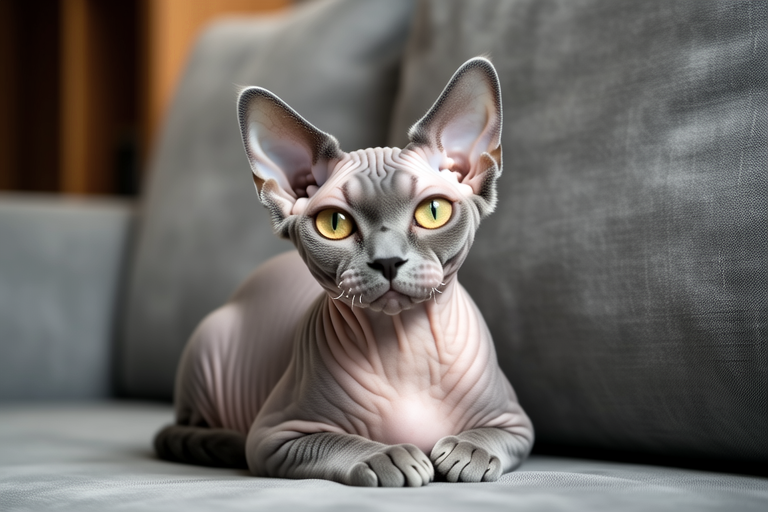
Besides their curly coat, Devon Rexes have a unique body structure. They are medium-sized cats with slender bodies, long legs, and large ears set low on their heads. Their long, oval-shaped faces give them a mischievous expression, while their large eyes add to their overall charm. The combination of their small stature, large ears, and expressive eyes makes the Devon Rex appear almost otherworldly.
The Playful and Social Nature of the Devon Rex
Devon Rexes are known for their playful and social nature, making them excellent companions for families and individuals alike. They are highly intelligent and curious, always eager to explore their surroundings and engage in interactive play. These cats enjoy a variety of toys, particularly those that allow them to chase, pounce, and climb. Their love for play extends beyond just toys; Devon Rexes often enjoy playing fetch and may even bring you items to throw for them.
One of the most endearing qualities of the Devon Rex is their strong bond with their human companions. They are affectionate, often seeking out physical contact and enjoying being held or cuddled. Devon Rexes are also known for their vocalizations, which range from chirps to trills and purrs. While they are not as talkative as some other breeds, their communication is clear and engaging.
In addition to their fondness for humans, Devon Rexes tend to get along well with other pets, including dogs and other cats. However, it is important to introduce new pets gradually and under supervision to ensure a smooth transition. With proper introduction, Devon Rexes can become part of a harmonious multi-pet household.
Grooming Needs of the Devon Rex
Despite their curly coat, Devon Rexes require minimal grooming. Their short, fine fur does not mat easily, so regular brushing once or twice a week is usually sufficient to keep their coat in good condition. However, during shedding season, you may need to increase the frequency of brushing to prevent loose hairs from accumulating around your home.
While grooming is relatively simple, it is still important to pay attention to your Devon Rex’s overall hygiene. Regular nail trimming, ear cleaning, and dental care are essential to maintain their health and comfort. Additionally, providing scratching posts and toys that encourage natural grooming behaviors can help keep your cat’s claws healthy and their coat shiny.
Health Considerations Specific to the Devon Rex Breed
Like all breeds, Devon Rexes are prone to certain health issues. One of the most common concerns is hereditary myopathy, a muscle disorder that can cause weakness and atrophy. While this condition can be debilitating, it is manageable with proper care and treatment. Another potential issue is patellar luxation, a condition where the kneecap dislocates from its normal position. Early detection and intervention can help manage this condition effectively.
To ensure your Devon Rex remains healthy, it is crucial to provide them with a balanced diet, regular veterinary check-ups, and a safe environment. Genetic testing can also help identify potential health risks before they become problematic. By staying proactive about your cat’s health, you can help them live a long and happy life.
Common Misconceptions About Cats with Curly Coats
One common misconception about Devon Rexes is that their curly coat requires extensive grooming. As mentioned earlier, their coat is relatively easy to maintain, and regular brushing is usually sufficient. Another myth is that all curly-coated cats shed less than their straight-haired counterparts. While Devon Rexes do not shed excessively, they still lose some hair, especially during shedding season.
Some people also believe that curly-coated cats are more prone to skin problems. While any cat can develop skin issues, there is no evidence to suggest that curly-coated breeds are more susceptible. Proper grooming, a balanced diet, and regular veterinary care can help prevent skin problems in all cats, regardless of their coat type.
The History and Origin of the Devon Rex Breed
The Devon Rex breed originated in England in the 1960s when a curly-coated kitten was discovered in a field near Buckfastleigh, Devon. This kitten, named Kirlee, was the result of a spontaneous genetic mutation. Kirlee’s unusual appearance caught the attention of breeder Beryl Cox, who began breeding him with local cats to establish the breed. The first litter of kittens born from this breeding program exhibited the characteristic curly coat and became the foundation for the Devon Rex breed.
Over the years, Devon Rexes have gained popularity for their unique appearance and friendly personalities. Today, they are recognized by major cat registries worldwide and continue to captivate cat enthusiasts with their charm and grace.
Tips for Potential Owners of Devon Rex Cats
If you’re considering adding a Devon Rex to your family, here are some tips to help you provide the best possible care:
- Provide Plenty of Toys and Playtime: Devon Rexes are highly active and playful, so make sure to provide them with plenty of toys and opportunities for interactive play. Puzzle toys, laser pointers, and feather wands are all great options.
- Create a Safe and Comfortable Environment: Devon Rexes are curious and adventurous, so it’s important to create a safe environment for them to explore. Remove any hazardous objects and provide plenty of climbing structures, such as cat trees and shelves.
- Pay Attention to Their Grooming Needs: While Devon Rexes require minimal grooming, it’s still important to maintain their coat and overall hygiene. Regular brushing, nail trimming, and ear cleaning can help keep your cat looking and feeling their best.
- Seek Regular Veterinary Care: To ensure your Devon Rex remains healthy, schedule regular veterinary check-ups and follow your vet’s recommendations for vaccinations, parasite control, and dental care.
- Consider Genetic Testing: If you plan to breed your Devon Rex, consider genetic testing to identify potential health risks and ensure the health of future generations.
By following these tips, you can provide your Devon Rex with a loving and supportive environment that allows them to thrive.
In conclusion, the Devon Rex is a unique and captivating breed with a curly coat, playful nature, and strong bond with their human companions. Whether you’re a seasoned cat owner or considering adopting your first feline friend, the Devon Rex is sure to bring joy and companionship to your life. With proper care and attention, these special cats can live long, healthy, and happy lives, enriching the lives of those fortunate enough to share their homes.
