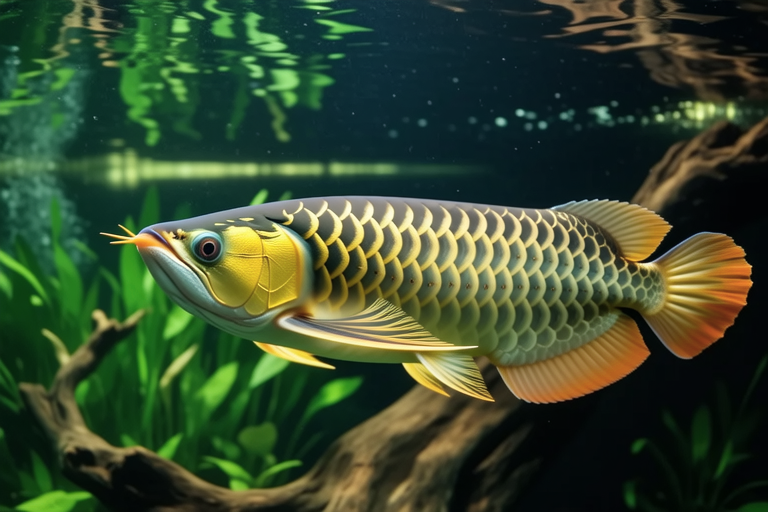
The Majestic Arowana: Everything You Need to Know Before Adding One to Your Tank
Welcome to the world of the arowana, a truly majestic fish that has captivated aquarists for centuries. Known for its striking appearance and historical significance, the arowana is a fascinating addition to any aquarium. With its sleek, elongated body and shimmering scales, this fish is a true sight to behold. In this comprehensive guide, we will explore everything you need to know before adding an arowana to your tank, from its natural habitat and dietary needs to tank setup and responsible ownership.
Introduction: The Majesty of the Arowana
The arowana is a fish species that has been revered for its beauty and strength since ancient times. Native to Southeast Asia, Africa, and South America, these fish have been a symbol of good luck and prosperity in many cultures. The arowana’s unique appearance, with its long, streamlined body and large, reflective scales, makes it a standout among freshwater fish. Its ability to leap out of the water to catch insects and small birds adds to its mystique and makes it a remarkable creature to observe.
Natural Habitat
In the wild, arowanas are found in rivers, swamps, and floodplains across tropical regions. They prefer slow-moving waters with dense vegetation, where they can hide and hunt for prey. These fish are highly adaptable, thriving in both fresh and brackish water environments. Understanding their natural habitat is crucial for replicating conditions in a home aquarium, ensuring the well-being of your arowana.
Ideal Tank Setup
Tank Size
Arowanas require ample space to thrive. As adults, they can grow up to three feet in length, so a tank of at least 250 gallons is recommended. Larger tanks, such as those over 500 gallons, provide more swimming room and help maintain water quality. It’s important to note that juvenile arowanas can be kept in smaller tanks, but they will eventually need to be moved to a larger environment.
Water Parameters
Maintaining proper water parameters is essential for arowanas’ health. They prefer slightly acidic water with a pH range of 6.5 to 7.0. Water hardness should be kept between 5 and 12 dGH. Regular water changes, typically 20% weekly, are necessary to keep the tank clean and free from harmful substances. Additionally, arowanas are sensitive to sudden changes in water chemistry, so gradual adjustments are advised.
Filtration Needs
Given their size and activity level, arowanas produce a significant amount of waste. Efficient filtration is crucial to maintaining water quality. Canister filters or external hang-on-back filters are preferred due to their high flow rates and capacity. Regular maintenance of the filter, including cleaning and replacing media, is necessary to prevent clogging and ensure optimal performance.
Dietary Requirements and Feeding Habits
Arowanas are carnivorous predators, feeding primarily on live prey in the wild. Their diet consists of insects, small fish, crustaceans, and occasionally small mammals and birds. In captivity, a balanced diet of high-quality pellets, frozen or freeze-dried foods, and occasional live feedings can meet their nutritional needs. Juvenile arowanas should be fed several times daily, while adults can be fed every other day.
Growth Patterns
Arowanas grow rapidly during their early years, reaching maturity around two to four years of age. Proper nutrition and environmental conditions play a significant role in their growth rate. Ensuring a steady supply of nutritious food and a spacious tank can help promote healthy development.
Behavioral Traits and Compatibility
Arowanas are known for their territorial behavior, especially towards their own kind. While they can coexist peacefully with certain species, it’s crucial to carefully select tankmates to avoid aggression. Fish that are too small may become prey, while similarly sized species could trigger territorial disputes. Peaceful, large fish like catfish or plecos are often good companions.
Common Health Issues
Like all aquatic creatures, arowanas are susceptible to various health issues. Common problems include bacterial infections, fungal diseases, and parasitic infestations. Regular observation and prompt treatment at the first sign of illness are key to maintaining their health. Quarantine new additions to the tank to prevent introducing diseases.
Tips for Responsible Ownership and Conservation Efforts
Owning an arowana comes with great responsibility. Providing them with a suitable environment and proper care is essential for their well-being. Additionally, supporting conservation efforts is vital to protect these magnificent creatures in their natural habitats. Many organizations work to preserve arowana populations through breeding programs and habitat protection initiatives. By choosing responsibly sourced arowanas and participating in conservation projects, aquarists can contribute to the preservation of this species.
In conclusion, the arowana is a majestic and fascinating fish that can bring joy and wonder to any aquarium. By understanding their needs and providing a suitable environment, you can ensure a rewarding experience for both you and your arowana. Remember, the key to successful arowana ownership lies in knowledge, dedication, and a commitment to their care and conservation.
