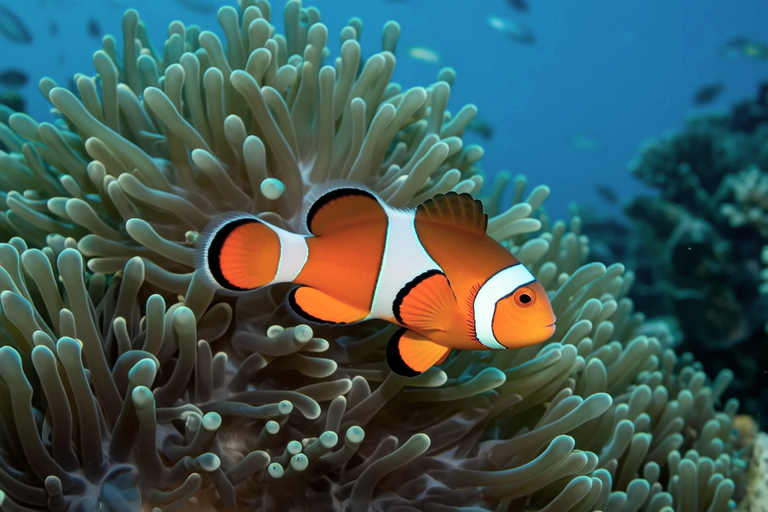
The Secret Life of Clownfish: Fun Facts and Fascinating Behavior
Clownfish, also known as anemonefish, have captured the hearts of many with their vibrant colors and endearing behavior. From the animated film Finding Nemo to aquariums around the world, these fish have become a beloved species. But beyond their charming appearance, there’s a fascinating world of behavior and biology that makes them truly remarkable. Let’s dive into the secret life of clownfish.
Habitat and Distribution
Clownfish are native to the warm waters of the Indian and Pacific Oceans, specifically coral reefs. These tropical environments provide the ideal setting for these fish, rich in food sources and offering shelter among the intricate coral structures. The clownfish’s natural habitat extends across a vast area, from the Red Sea and the Indian Ocean to the Pacific Ocean, including the Great Barrier Reef. They are particularly found in lagoons and seaward reefs, where they live in close association with sea anemones.
These fish thrive in the shallow waters of coral reefs, typically at depths between 1 and 15 meters. The water temperature in their habitats ranges from 23°C to 28°C, which is crucial for their survival. Clownfish prefer areas with strong currents, as these bring in more plankton, which is part of their diet. Additionally, the presence of sea anemones is essential for their survival, as we will explore later.
Diet and Feeding Habits
Clownfish are omnivorous, meaning they eat both plant and animal matter. Their diet consists mainly of algae, zooplankton, and small crustaceans. In the wild, they often graze on algae growing on the coral reefs and feed on tiny organisms floating in the water. This varied diet helps them adapt to different environmental conditions and ensures they get all the necessary nutrients.
In captivity, it’s important to replicate their natural diet as closely as possible. Clownfish owners can provide a mix of flake foods, frozen foods, and fresh vegetables to mimic their wild diet. It’s also beneficial to include occasional treats like brine shrimp or bloodworms. Proper nutrition is vital for the health and longevity of these fish.
Symbiotic Relationships with Sea Anemones
One of the most intriguing aspects of clownfish behavior is their symbiotic relationship with sea anemones. This partnership benefits both parties and is a prime example of mutualism in nature. The sea anemone provides protection for the clownfish by shielding them from predators with its stinging tentacles. In return, the clownfish offers several advantages to the anemone.
Clownfish possess a layer of mucus on their skin that protects them from the anemone’s stings. Over time, this mucus layer develops, allowing the clownfish to move freely among the anemone’s tentacles without being harmed. This adaptation enables clownfish to safely reside within the anemone, where they are less vulnerable to larger predators.
Additionally, clownfish help to attract prey for the anemone. By swimming around the anemone, they stir up water currents, bringing in more plankton and small fish. Clownfish also remove parasites from the anemone, keeping it healthy. This interaction is crucial for the survival of both species and highlights the importance of biodiversity in marine ecosystems.
Breeding Habits and Reproduction
Clownfish exhibit a unique reproductive behavior that sets them apart from many other fish species. They are sequential hermaphrodites, meaning they can change sex throughout their lifetime. Each group of clownfish usually consists of a dominant female and a dominant male, along with a few smaller, non-breeding males.
The dominant female is the largest fish in the group, while the dominant male is the second-largest. When the dominant female dies, the dominant male undergoes a transformation and becomes the new female. This process takes about two weeks and involves changes in body structure, coloration, and reproductive organs. The second-largest male then takes over as the dominant male.
During mating season, clownfish engage in elaborate courtship rituals to prepare for spawning. The female lays thousands of eggs on a flat surface near the anemone, such as a rock or coral. The male then fertilizes the eggs externally. Both parents take turns fanning the eggs with their fins to ensure proper oxygenation and ward off potential predators.
After about six to ten days, the eggs hatch, releasing tiny larvae into the water. These larvae drift with ocean currents for about two weeks before settling on a suitable reef. Not all larvae survive this journey, but those that do grow rapidly, eventually finding their own sea anemone home.
Unique Behaviors and Adaptations
Clownfish display a range of fascinating behaviors that contribute to their survival in the wild. One of these behaviors is their ability to communicate with each other through a series of grunts and pops. These sounds are produced by grinding their pharyngeal teeth together, and they serve various purposes, such as establishing dominance within the group or signaling danger to other clownfish.
Another interesting behavior is their tendency to perform cleaning dances around their host anemone. These dances involve rapid swimming movements that help to clean the anemone of debris and keep it free from parasites. This behavior not only benefits the anemone but also strengthens the bond between the clownfish and their host.
Clownfish are also known for their territorial nature. They fiercely defend their anemone against intruders, including other clownfish. When a rival approaches, the resident clownfish will swim towards the invader, flaring its fins and making aggressive gestures. If the intruder persists, physical confrontation may occur, involving biting and chasing.
Moreover, clownfish exhibit remarkable parental care. Both the male and female clownfish participate in guarding and caring for the eggs. After the eggs hatch, the parents continue to protect the newly hatched fry until they are large enough to fend for themselves. This level of parental investment is relatively rare in the fish world and underscores the importance of family bonds in clownfish society.
Conservation Status and Threats
Despite their popularity, clownfish face several threats in the wild, primarily due to human activities. Habitat destruction, caused by coral bleaching and coastal development, poses a significant risk to clownfish populations. Climate change has led to increased water temperatures and ocean acidification, both of which can harm coral reefs and the marine life that depends on them.
Overfishing and the aquarium trade also contribute to the decline of clownfish populations. Many clownfish are caught and sold to aquariums, reducing their numbers in the wild. To address these issues, conservation efforts are underway to protect clownfish and their habitats. Marine protected areas and sustainable fishing practices can help ensure the survival of these fascinating creatures.
Conclusion
The secret life of clownfish is filled with surprising facts and behaviors that make them truly unique. From their symbiotic relationships with sea anemones to their complex social structures and reproductive strategies, clownfish offer a window into the wonders of marine life. Understanding these fish not only enhances our appreciation for them but also highlights the importance of protecting their habitats and ensuring the health of our oceans.
We encourage you to delve deeper into the world of marine biology and explore the many fascinating species that call the ocean home. Whether you’re a seasoned aquarist or simply curious about the underwater world, there’s always more to discover. Join us in celebrating the beauty and complexity of clownfish and all marine life, and let’s work together to preserve these incredible ecosystems for future generations.
