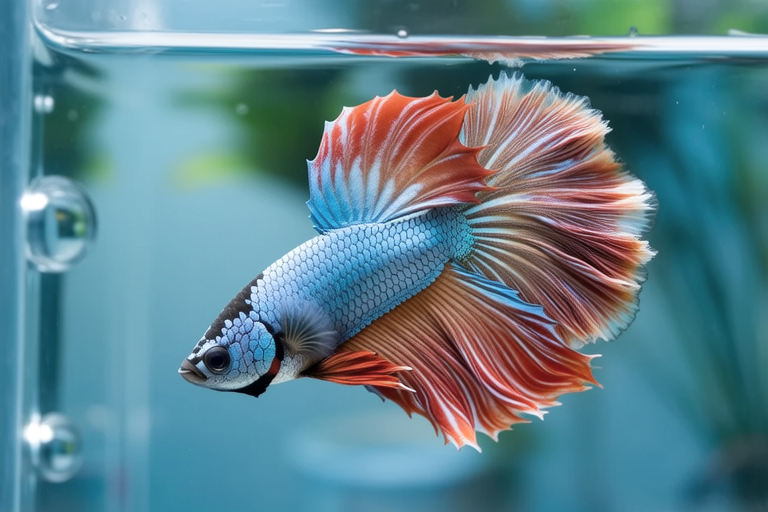
From Tiny Fry to Majestic Finned Beauty – Raising Betta Babies
Betta fish, often referred to as Siamese fighting fish, have captivated aquarium enthusiasts for centuries with their vibrant colors and flowing fins. These small, yet striking creatures are not only beautiful but also offer a unique challenge for aquarists who wish to raise them from tiny fry into majestic finned beauties. Breeding bettas is both a rewarding and educational experience that can deepen one’s understanding of aquatic life. This guide will walk you through the process of setting up a suitable environment for breeding, caring for newly hatched fry, providing proper nutrition, managing growth stages, and overcoming common challenges.
Setting Up a Suitable Environment for Breeding
The first step in successfully raising betta babies is creating an optimal breeding environment. Bettas require specific conditions to thrive, including clean water, appropriate temperature, and adequate space. A breeding tank should be at least five gallons in size, equipped with a heater to maintain a stable temperature between 78-82°F (25-28°C). Filtration is crucial, but it must be gentle to avoid harming the fry; sponge filters or air-driven sponge filters are ideal. Additionally, the tank should be decorated with live plants like Java moss or Indian almond leaves, which provide hiding spots and natural food sources for the fry.
Identifying and Caring for Newly Hatched Fry
Once the eggs have been laid and fertilized by the male betta, they will hatch within 24 to 36 hours. At this stage, the fry are extremely delicate and require meticulous care. Initially, they will remain attached to the substrate or plant leaves until their yolk sacs are absorbed. During this period, it’s essential to ensure the water quality remains pristine. Afterward, the fry will begin swimming freely and searching for food.
It’s important to note that the mother betta may eat her own offspring if left together. Therefore, it’s advisable to separate her from the fry immediately after hatching. The father, on the other hand, might continue to guard the fry until they reach a certain size, making him a safer option for initial protection.
Providing Proper Nutrition
Feeding betta fry is one of the most critical aspects of their care. Newborn fry need high-protein diets to support rapid growth and development. Infusoria, a type of microscopic organism, serves as an excellent starter food. As the fry grow larger, you can introduce baby brine shrimp, microworms, and finely crushed flake foods. Feeding should occur several times daily, ensuring that only small quantities are given at each session to prevent overfeeding and subsequent water pollution.
Managing Growth Stages
Betta fry go through distinct growth stages, each requiring different levels of attention and care. In the early weeks, the fry will exhibit rapid growth, doubling in size every few days. By the end of the first month, they should have developed more prominent fins and colors. At around six weeks old, the fry enter adolescence, becoming more independent and less reliant on parental care. During this phase, it’s crucial to monitor their behavior closely, ensuring they are adapting well to their new environment.
As the fry mature further, they will begin to show signs of gender differentiation. Males typically develop longer, more elaborate fins, while females tend to have shorter, simpler ones. Around three months of age, bettas reach sexual maturity and can start reproducing themselves.
Common Challenges Faced During This Process
Breeding betta fish comes with its share of challenges. One common issue is disease outbreaks among the fry. Poor water quality, overcrowding, and stress can all contribute to illnesses such as ich or fin rot. Regular water changes, maintaining good hygiene practices, and quarantine procedures can help mitigate these risks.
Another challenge is ensuring genetic diversity within the population. Inbreeding can lead to weaker offspring with reduced lifespan and health issues. To promote genetic variation, consider introducing new bloodlines periodically through selective breeding programs.
Tips for Maintaining Healthy Adult Bettas
Maintaining healthy adult bettas involves providing them with a balanced diet, regular exercise, and a stimulating environment. Feed them a variety of foods, including live, frozen, and freeze-dried options, to meet their nutritional needs. Encourage swimming by offering plenty of open space and incorporating toys or decorations that mimic natural habitats.
Regular health checks and prompt treatment of any signs of illness are also vital. Keep an eye out for unusual behaviors, physical changes, or discoloration, which could indicate underlying health problems. Early intervention can prevent minor issues from escalating into serious conditions.
How Successful Breeding Can Contribute Positively to Their Care and Conservation
Successful breeding efforts can significantly impact the overall care and conservation of betta fish. By producing robust, genetically diverse populations, breeders contribute to the preservation of this species. They also play a crucial role in educating others about responsible pet ownership and sustainable practices. Additionally, sharing knowledge and resources within the community fosters collaboration and innovation in aquaculture techniques.
In conclusion, raising betta babies from tiny fry to majestic finned beauties is a journey filled with learning opportunities and personal satisfaction. With careful planning, diligent care, and a passion for these fascinating creatures, anyone can become a skilled breeder. Not only does this endeavor enhance our appreciation for nature’s wonders, but it also promotes responsible stewardship of aquatic life.
