The Ultimate Beginner’s Guide to Raising a Healthy Chilean Rose Tarantula at Home
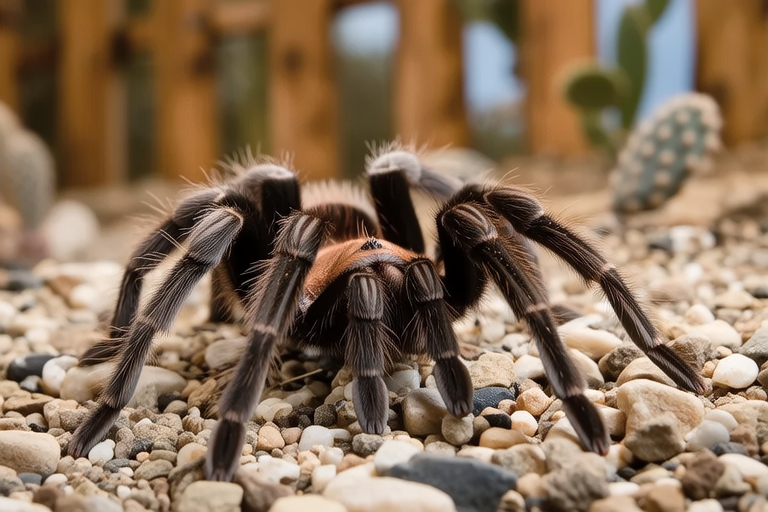
Welcome to the world of tarantula ownership! If you’re thinking about adopting a Chilean rose tarantula, you’ve chosen a fascinating and relatively low-maintenance pet. These spiders are known for their docile nature and striking pink coloration when they’re young. This guide will walk you through everything you need to know to provide your pet with a healthy and happy life.
Habitat Setup
Setting up the right habitat is crucial for your tarantula’s well-being. The enclosure should mimic its natural environment as closely as possible.
Terrarium Size
A 10-gallon tank or a 20x10x12-inch (LxWxH) enclosure is suitable for an adult Chilean rose tarantula. Juveniles can be housed in smaller tanks, but always aim for a space that allows them to move around comfortably.
Substrate
The substrate is the material that lines the bottom of the enclosure. It should be at least 4 inches deep to allow burrowing. Suitable substrates include coconut fiber, peat moss, or a mix of both. Avoid using pine or cedar shavings, as these can be harmful.
Hiding Places
Chilean rose tarantulas love to hide. Provide a few hiding spots made from cork bark, half logs, or plastic caves. Make sure these are securely placed so they don’t tip over.
Decorations
Adding some decorations like silk plants or small branches can enhance the aesthetic appeal of the habitat. Just ensure there are no sharp edges or spaces where the tarantula could get stuck.
Care and Maintenance
Keep the enclosure clean by removing uneaten prey and waste regularly. Spot cleaning is usually sufficient, but a complete substrate change should be done every few months.
Temperature and Humidity Requirements
Maintaining the right temperature and humidity levels is vital for your tarantula’s health.
Temperature
The ideal temperature range for a Chilean rose tarantula is between 75°F and 85°F (24°C to 29°C). Use a thermometer to monitor the temperature inside the enclosure. A heat lamp or under-tank heater can be used to maintain this range, but avoid placing the heat source directly above the spider.
Humidity
These tarantulas thrive in humidity levels between 60% and 80%. You can achieve this by misting the enclosure daily and ensuring there’s a water dish available. The water dish should be shallow and placed away from the heating source.
Diet Specifics
Feeding your tarantula correctly ensures it remains healthy and active.
Food Types
Chilean rose tarantulas are carnivorous and will eat live insects. Suitable food items include crickets, mealworms, and dubia roaches. Avoid feeding them wild-caught insects, as these may carry parasites.
Feeding Frequency
Feed juveniles once or twice a week, while adults can be fed every 1-2 weeks. Always remove any uneaten prey after 24 hours to prevent stress or injury to the tarantula.
Handling Tips
While Chilean rose tarantulas are generally docile, they can become stressed if handled improperly.
Preparation
Before attempting to handle your tarantula, make sure you have a calm and quiet environment. Wash your hands thoroughly to remove any odors that might disturb the spider.
Technique
Use a soft paintbrush or a piece of cardboard to gently coax the tarantula out of its hiding spot. Once it’s out, use the same tool to guide it onto your hand. Keep handling sessions short and avoid sudden movements.
Signs of Stress
If your tarantula starts waving its legs or flicking urticating hairs, it’s a sign of stress. Return it to its enclosure immediately and give it some time to relax.
Common Health Issues
Despite being hardy, Chilean rose tarantulas can face certain health problems.
Molting Problems
Molting is a natural process where the tarantula sheds its exoskeleton. During this time, it becomes vulnerable. Signs of a problematic molt include a tarantula that remains upside down or has difficulty moving its legs. In such cases, leave the tarantula undisturbed and monitor its progress.
Parasites and Diseases
Ensure the hygiene of the enclosure and the quality of the food to prevent parasites and diseases. Regularly inspect your tarantula for any unusual growths or changes in behavior.
Signs of a Healthy Tarantula
Knowing what a healthy tarantula looks like can help you spot any potential issues early.
Appearance
A healthy tarantula will have a plump abdomen and a glossy appearance. Its fangs and mouth area should be clean and free of debris.
Behavior
Your tarantula should be active during the night and spend its days resting in its hiding spot. It should also show interest in food and move around the enclosure without appearing lethargic.
Conclusion
Raising a Chilean rose tarantula can be a rewarding experience. By providing the right habitat, maintaining appropriate temperature and humidity levels, feeding your tarantula correctly, and handling it carefully, you can ensure your pet lives a long and healthy life. Remember, patience and observation are key in understanding your tarantula’s needs. Enjoy your journey into the fascinating world of these amazing creatures!
