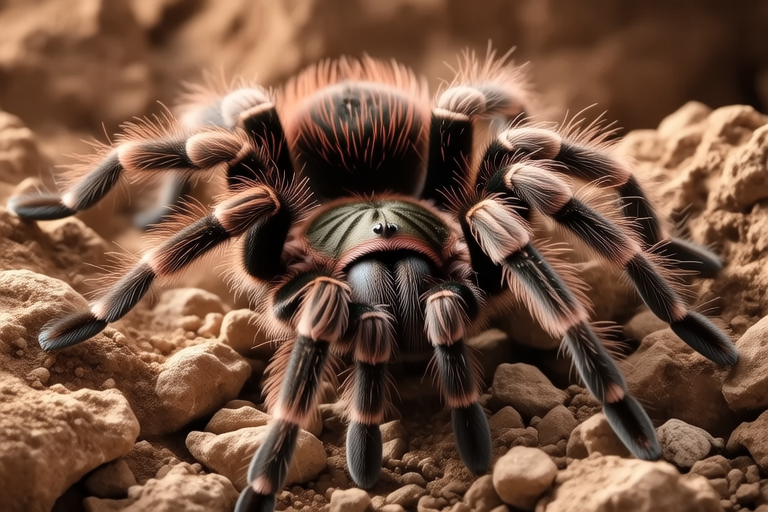
The Ultimate Guide to Chilean Rose Tarantula Care for Beginners
Welcome to the world of tarantulas! If you’re considering adopting a pet tarantula, the Chilean rose tarantula (Grammostola rosea) is an excellent choice for beginners. Known for its docile temperament and vibrant coloration, this species is one of the most popular among tarantula enthusiasts. This guide will provide you with all the necessary information to ensure your new pet thrives in its new home.
Introduction to the Chilean Rose Tarantula
The Chilean rose tarantula hails from the deserts and scrublands of South America, particularly Argentina, Chile, and Uruguay. These arachnids are named for their rose-pink coloration when they moult, which fades to a brownish hue as their exoskeleton hardens. They are terrestrial, meaning they spend most of their time on the ground, and they prefer burrowing into the soil or hiding under rocks.
Natural Habitat and Ideal Living Conditions
In the wild, these tarantulas inhabit dry, rocky areas with sparse vegetation. They dig burrows or find shelter beneath stones or logs. To recreate a similar environment at home, it’s crucial to understand their needs regarding temperature, humidity, and space.
Temperature
Chilean rose tarantulas thrive in temperatures ranging from 75°F to 85°F (24°C to 29°C). Avoid extremes; temperatures above 90°F (32°C) can be harmful, while those below 70°F (21°C) may cause stress.
Humidity
These tarantulas prefer low to moderate humidity, ideally between 50% and 70%. Maintaining this level helps prevent dehydration and respiratory issues.
Space
Provide ample space for your tarantula to move around comfortably. A general rule is to offer at least five times the leg span in length and width for the enclosure.
Setting Up the Perfect Enclosure
Your tarantula’s enclosure should mimic its natural habitat as closely as possible. Here’s how to set it up:
Substrate
A layer of coconut fiber or a mix of peat moss and vermiculite works well. This substrate should be at least two inches deep to allow digging and burrowing.
Hiding Spots
Incorporate cork bark, rocks, or artificial plants to give your tarantula places to hide. This is crucial for their comfort and sense of security.
Heating and Lighting
Use a heat mat placed underneath one side of the enclosure to create a temperature gradient. Avoid direct light, as tarantulas are nocturnal and sensitive to bright lights.
Feeding Habits and Suitable Prey
Chilean rose tarantulas are carnivorous, primarily feeding on insects. In captivity, they can eat crickets, mealworms, and dubia roaches. Feed juveniles every 5-7 days and adults once a week.
Handling Techniques
While Chilean rose tarantulas are generally calm, they should be handled with care. Always support their body and avoid squeezing. Use tongs or tweezers to gently lift them out of their enclosure if needed.
Health Concerns, Signs of Illness, and Basic First Aid
Regularly check your tarantula for any unusual behavior or physical changes. Common health issues include moulting problems, infections, and dehydration. If you notice any of these, consult a veterinarian specializing in exotic pets.
Maintaining a Healthy Environment and Building Trust
To keep your tarantula healthy, maintain a clean enclosure by spot-cleaning daily and performing a full clean-out every few months. Regular interaction can help build trust. Start by offering treats near the enclosure and gradually progress to gentle handling sessions.
By following this guide, you’ll be well-equipped to provide your Chilean rose tarantula with a happy and healthy life. Remember, patience and consistency are key when caring for these fascinating creatures.
