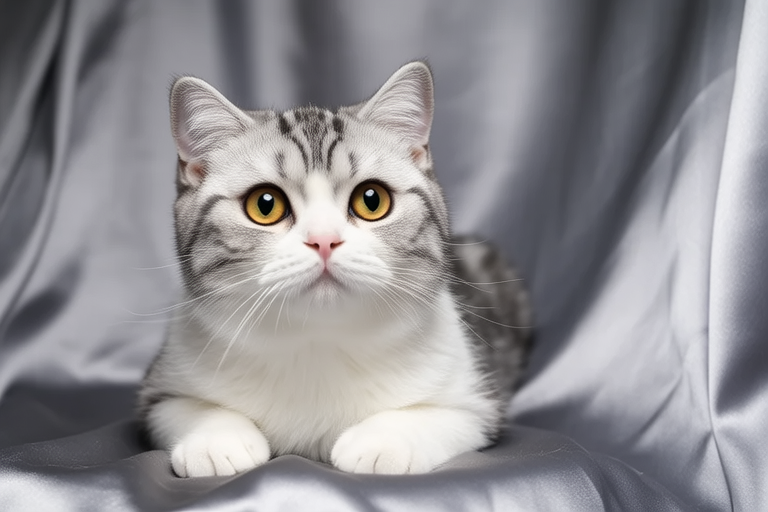
Scottish Fold Cats: Beyond Their Iconic Ears
The Scottish Fold cat is a breed known for its distinctively folded ears, but there is much more to these charming felines than meets the eye. From their origins in Scotland to their unique personalities and health concerns, this breed offers a rich tapestry of characteristics that make them beloved pets. This article delves into the history, temperament, health considerations, and care tips for Scottish Folds, providing valuable insights for both prospective and current owners.
Origins of the Scottish Fold
The Scottish Fold cat originated in Scotland in the 1960s when a barn cat named Susie gave birth to a litter with one kitten possessing folded ears. This unique trait was attributed to a genetic mutation affecting the ear cartilage. The breed was developed by crossbreeding these kittens with British Shorthairs, resulting in the modern Scottish Fold.
Today, the Scottish Fold is recognized by major cat registries worldwide, including The International Cat Association (TICA) and the Cat Fanciers’ Association (CFA). However, it’s important to note that some organizations have reservations about breeding due to potential health issues associated with the folded ear gene.
Temperament and Personality
Scottish Folds are often described as gentle, affectionate, and adaptable companions. They tend to form strong bonds with their human families, seeking out attention and companionship. These cats enjoy being around people and can be quite vocal, expressing themselves through chirps and meows.
“Scottish Folds are wonderful companions,” says Dr. Emily Thompson, a veterinarian specializing in feline medicine. “They are generally friendly towards other pets and children, making them great family pets.”
Despite their playful nature, they also appreciate quiet moments and can be content lounging on a windowsill or curled up beside their owners. Their curiosity leads them to explore their surroundings, and they often display a sense of humor, which adds to their charm.
Health Considerations
While Scottish Folds are generally healthy, there are specific health concerns associated with the breed:
- Osteochondrodysplasia: This condition affects the development of bones and cartilage, leading to joint problems. It is caused by the same gene responsible for folded ears. Some folds may experience mobility issues, especially in the tail and hind legs.
- Cardiomyopathy: A type of heart disease that can affect Scottish Folds, particularly those with the folded ear gene.
- Dietary Needs: Due to potential joint issues, maintaining a healthy weight is crucial. A balanced diet rich in essential nutrients helps support overall well-being.
Regular veterinary check-ups, including genetic testing if available, can help monitor for early signs of these conditions. Early intervention can improve quality of life and extend lifespan.
Care Tips
Proper care ensures your Scottish Fold remains happy and healthy. Here are some essential tips:
Grooming
Scottish Folds come in two coat types – short-haired and long-haired. Both require regular grooming to keep their coats shiny and free from mats. Brushing at least once a week helps distribute natural oils throughout the fur and prevents hairballs.
Short-haired varieties benefit from weekly brushing, while long-haired cats may need daily attention during shedding seasons. Use a soft-bristled brush or comb to prevent pulling sensitive skin.
Exercise and Mental Stimulation
Providing opportunities for physical activity and mental engagement is vital for maintaining a healthy weight and preventing boredom-related behaviors like scratching furniture or excessive vocalization.
Toys that encourage chasing, pouncing, and climbing satisfy their natural hunting instincts. Interactive play sessions with owners also strengthen the bond between pet and guardian.
Nutrition
A high-quality commercial cat food formulated for your cat’s age, size, and activity level provides necessary nutrients. Consultation with a veterinarian ensures proper nutrition tailored to individual needs.
Feeding guidelines should be followed closely to avoid overfeeding, which contributes to obesity – a risk factor for osteoarthritis and other health complications.
The Responsibilities of Ownership
Owning a Scottish Fold comes with significant responsibilities:
- Financial Commitment: Vet visits, vaccinations, spaying/neutering, and routine care add up quickly. Pet insurance can help manage unexpected costs.
- Time Investment: Spending time playing, grooming, and interacting builds trust and strengthens the bond between owner and pet.
- Environmental Safety: Creating a safe home environment involves securing cabinets, keeping toxic substances out of reach, and providing appropriate scratching posts.
Adopting a Scottish Fold requires commitment to meeting these responsibilities for the duration of the cat’s life, typically 12-15 years.
Conclusion
The Scottish Fold cat offers an enchanting combination of distinctive appearance, endearing personality, and manageable care requirements. Understanding their background, temperament, and health needs allows potential owners to make informed decisions about adding one of these special creatures to their homes.
For existing Scottish Fold enthusiasts, this deeper exploration reinforces the joy derived from sharing life with such remarkable companions. Whether you’re considering adopting a Scottish Fold or already cherish one as part of your family, embracing all aspects of their unique nature enhances the rewarding experience of living with these captivating cats.
