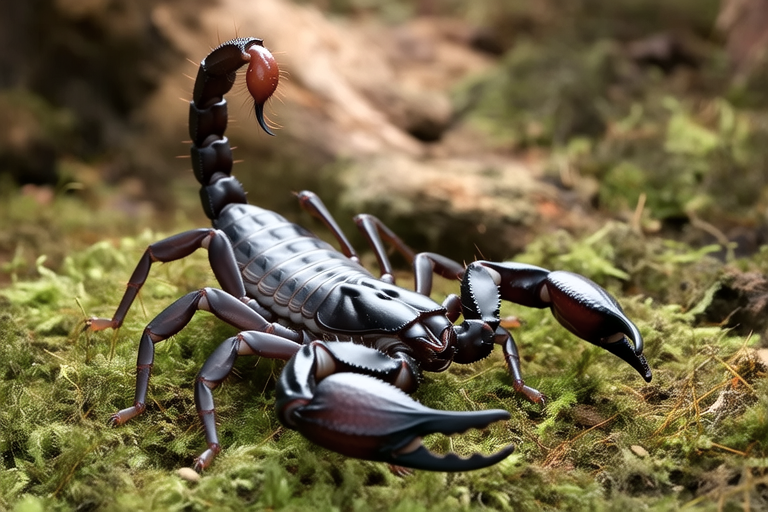
How to Care for Your Heterometrus Spinifer: The Ultimate Pet Owner’s Guide
Introduction:
Welcome to the fascinating world of the Heterometrus spinifer, an exotic and unique species of scorpion native to Southeast Asia. Known for its striking appearance and gentle temperament, the Heterometrus spinifer, also referred to as the Asian forest scorpion, has become a popular choice among exotic pet enthusiasts. Unlike many other scorpions that prefer arid environments, the Heterometrus spinifer thrives in humid, tropical conditions, making it a distinctive choice for those looking for a pet that stands out from the crowd.
This guide aims to provide you with all the necessary information to ensure your Heterometrus spinifer leads a healthy and happy life. From setting up the perfect habitat to understanding their dietary needs and maintaining their health, this comprehensive guide will help you become the best possible owner for your pet scorpion.
Habitat Setup
The first step in caring for your Heterometrus spinifer is creating a suitable habitat. This involves selecting the right enclosure, substrate, and decorations to mimic their natural environment.
Enclosure: A glass terrarium or aquarium is ideal for housing your Heterometrus spinifer. Ensure the enclosure is large enough to allow your scorpion ample space to move around comfortably. For one adult scorpion, a minimum size of 10 gallons (38 liters) is recommended.
Substrate: Use a layer of coconut fiber or peat moss mixed with sand or soil to create a moist substrate that retains humidity. This mixture should be about 2-3 inches deep to allow burrowing.
Decorations: Incorporate rocks, branches, and cork bark to provide hiding spots and climbing structures. These elements are crucial for providing environmental enrichment and mimicking the scorpion’s natural habitat.
Lighting: While Heterometrus spinifer do not require UVB lighting, providing a low-wattage red bulb can help simulate day and night cycles, aiding in the regulation of their circadian rhythms.
Temperature and Humidity Levels
Maintaining the correct temperature and humidity levels is vital for the health and well-being of your Heterometrus spinifer.
Temperature: The ideal temperature range for these scorpions is between 75°F and 85°F (24°C to 29°C). Use a digital thermometer to monitor the temperature inside the enclosure and adjust as necessary. Heat mats or under-tank heaters can be used to maintain warmth, but avoid direct heat sources that could cause hotspots.
Humidity: Heterometrus spinifer thrive in high humidity environments, ideally between 70% and 90%. Achieve this by misting the enclosure daily and ensuring there is a water dish available at all times. The water dish should be shallow and large enough for the scorpion to soak in if needed.
Diet and Feeding Schedules
Feeding your Heterometrus spinifer correctly is essential for its growth and vitality.
Food: Insects such as crickets, mealworms, and dubia roaches make excellent food choices for your scorpion. Ensure that the insects are gut-loaded with nutritious vegetables and fruits before feeding them to your pet.
Frequency: Feed your scorpion once or twice a week, depending on its size and activity level. Younger, growing scorpions may require more frequent feedings compared to mature adults.
Handling: When feeding, use tongs to place the prey items into the enclosure. This minimizes the risk of accidental injury to both you and your pet.
Handling and Maintaining Health
Proper handling and regular health checks are crucial for keeping your Heterometrus spinifer healthy.
Handling: Heterometrus spinifer are generally docile and can be handled gently, though they do have venomous stingers. Always handle them with care and avoid pinching or squeezing. Use thick gloves and a hand net for extra protection.
Health Checks: Regularly inspect your scorpion for any signs of illness or injury. Common health issues include mites, fungal infections, and dehydration. If you notice any unusual behavior, changes in appetite, or physical abnormalities, consult a veterinarian specializing in exotic pets immediately.
Preventive Measures: Keep the enclosure clean and disinfected to prevent bacterial and fungal growth. Replace the substrate regularly and wash the enclosure thoroughly with a mild disinfectant solution. Quarantine any new additions to the enclosure for several weeks to prevent the spread of diseases.
Bonding and Environmental Enrichment
To ensure your Heterometrus spinifer leads a fulfilling life, it’s important to create a stimulating environment and spend time bonding with your pet.
Stimulating Environment: Provide various hiding spots, climbing structures, and shallow water dishes to keep your scorpion active and engaged. Rotate these items periodically to prevent boredom.
Bonding: Although scorpions are solitary creatures and do not require social interaction, spending time observing them can strengthen your bond. Watch them hunt, explore, and interact with their environment to better understand their behaviors.
Consistency: Establish a routine for feeding, cleaning, and handling your scorpion. Consistency helps reduce stress and ensures your pet remains comfortable and healthy.
In conclusion, owning a Heterometrus spinifer is a rewarding experience that requires dedication and attention to detail. By following the guidelines provided in this ultimate pet owner’s guide, you will be well-equipped to provide your scorpion with the best possible care. Remember, each scorpion is unique, so pay close attention to your pet’s individual needs and preferences to ensure a long and happy life together.
