Exploring Persian Cats: A Comprehensive Guide
Persian cats are one of the most popular and recognizable breeds in the world. Known for their luxurious long coats, gentle demeanor, and striking facial features, these felines have captivated the hearts of many. This guide delves into the unique behaviors, care requirements, and historical background of Persian cats, providing a comprehensive overview for both potential and current owners.
Physical Characteristics
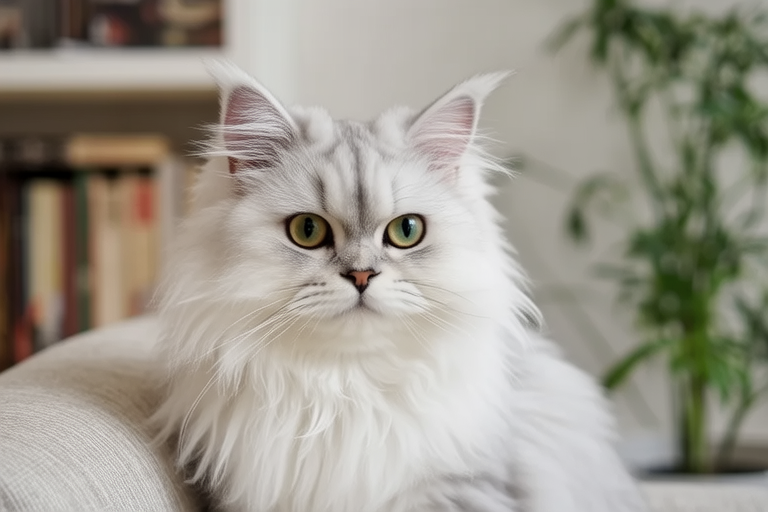
Persians are easily identified by their distinctive looks. They boast a broad, round head with large, expressive eyes that can be blue, copper, or green. Their ears are small and rounded at the tips, adding to their overall sweet appearance. One of the most notable features of Persian cats is their plush, dense coat, which can come in various colors and patterns. The fur is typically longer around the neck, creating a ruff, and extends down their body, legs, and tail.
Grooming Needs
The luxurious coat of Persian cats requires extensive grooming. Daily brushing is essential to prevent matting and tangling, especially since they shed year-round. Bathing should be done every few weeks to keep their coat clean and free from oils. Additionally, it’s important to trim their nails regularly and clean their ears and eyes to avoid infections. Despite the high maintenance, many owners find the process rewarding, as it strengthens the bond between them and their pet.
Temperament
Persians are known for their calm and affectionate nature. They are generally docile and enjoy lounging around the house, making them ideal companions for those seeking a peaceful, low-maintenance pet. While they may not be as active or playful as some other breeds, Persians still appreciate interactive playtime with their owners. They tend to be more attached to their human families than other breeds, often following their owners around the house and seeking attention.
Health Issues Specific to the Breed
Unfortunately, Persian cats are prone to certain health problems due to their genetic makeup. Polycystic kidney disease (PKD) is one of the most common inherited disorders in Persians. It causes cysts to develop in the kidneys, eventually leading to renal failure. Regular veterinary check-ups and genetic testing can help manage this condition. Another issue is their flat faces, which can cause breathing difficulties. Persian cats may also suffer from dental problems, obesity, and urinary tract infections.
Common Myths About Persian Cats
Despite their popularity, there are several misconceptions surrounding Persian cats. One myth is that they require less exercise than other breeds. While it’s true that they are not as active, Persians still need regular playtime and mental stimulation to stay healthy. Another misconception is that they are aloof and independent. In reality, Persians are quite affectionate and thrive on human interaction. Lastly, some believe that all Persians are prone to severe health issues. While certain health problems are more common, responsible breeding practices can significantly reduce the risk.
Interaction with Humans
Persians form strong bonds with their owners and enjoy being part of family life. They are known for their gentle nature and are excellent companions for children and other pets when introduced properly. Their calm demeanor makes them suitable for households with busy schedules, as they are content to relax while their owners are away. However, it’s important to ensure they receive enough attention and interaction to maintain their emotional well-being.
Suitable Environments
Persians are adaptable to various living situations but thrive in environments where they can comfortably lounge and relax. They are not particularly fond of extreme temperatures, so it’s crucial to keep them indoors and provide a cozy, temperature-controlled space. A quiet home with minimal stress is ideal for their sensitive respiratory systems. Additionally, providing plenty of soft, comfortable resting spots will help them feel secure and happy.
Dietary Considerations
A balanced diet is essential for maintaining the health of Persian cats. High-quality commercial cat food formulated for indoor or senior cats is recommended. Owners should consult with their veterinarian to determine the appropriate portion sizes based on their pet’s age, weight, and activity level. Fresh water should always be available, and it’s advisable to avoid feeding them table scraps or human foods that could upset their digestive system.
Tips for New Owners
- Grooming: Invest in quality grooming tools such as brushes, combs, and nail clippers. Establish a daily grooming routine early on to get your cat used to the process.
- Veterinary Care: Schedule regular check-ups with a veterinarian who specializes in Persian cats. Early detection and treatment of potential health issues can improve outcomes.
- Playtime: Incorporate interactive toys and games into your daily routine to keep your Persian mentally stimulated and physically active.
- Hydration: Ensure your cat has access to fresh water at all times. Some Persians may benefit from water fountains designed to encourage drinking.
- Socialization: Expose your Persian to different people, animals, and environments from an early age to promote socialization and reduce anxiety.
In conclusion, Persian cats are beloved for their beauty, gentle nature, and affectionate personalities. While they require extra care and attention, their loyalty and companionship make them cherished members of many households. By understanding their unique needs and providing proper care, owners can ensure their Persian cat lives a long, healthy, and happy life.
