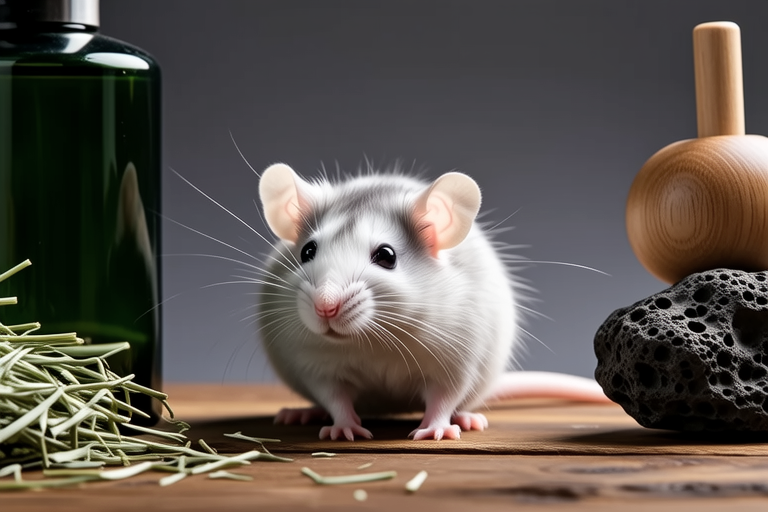
Chinchilla Care Secrets Every Owner Must Know – From Grooming to Diet
Chinchillas are delightful, energetic, and incredibly soft companions that bring joy to many households. However, their unique physiology and behavioral needs mean they require specialized care. Unlike cats or dogs, chinchillas have specific dietary requirements, grooming habits, and environmental needs that must be met for them to thrive. Whether you’re a first-time owner or an experienced chinchilla keeper looking to refine your care routine, this comprehensive guide covers the essential aspects of chinchilla care—from diet and grooming to housing, health, and behavior. By following these science-backed, expert-recommended practices, you can ensure your chinchilla lives a long, healthy, and happy life.
Understanding Chinchilla Biology: The Foundation of Proper Care
Before diving into care specifics, it’s crucial to understand what makes chinchillas different from other pets. Native to the Andes Mountains in South America, chinchillas evolved in cool, dry climates with minimal humidity. Their dense fur—up to 20,000 hairs per square inch—is designed to insulate against cold temperatures but is highly sensitive to moisture. This sensitivity means even brief exposure to water can lead to fatal respiratory issues. As herbivores with continuously growing teeth, their digestive system relies heavily on high-fiber foods. These biological traits dictate nearly every aspect of their care, from diet to habitat design.
Proper Diet: Fueling Your Chinchilla’s Health
A balanced, fiber-rich diet is the cornerstone of chinchilla health. Poor nutrition is one of the leading causes of illness and early death in captive chinchillas.
Hay: The Primary Food Source
Hay should make up at least 80% of your chinchilla’s daily intake. It supports dental health by naturally wearing down their ever-growing teeth and promotes healthy digestion through constant chewing. Timothy hay is the best choice for adult chinchillas (over 6 months old). It’s low in calcium and calories, making it ideal for long-term use. For younger chinchillas under six months, alfalfa hay may be introduced temporarily due to its higher protein and calcium content, but it should be phased out once they reach maturity to prevent bladder stones.
Always provide fresh, clean hay daily. Avoid moldy, dusty, or damp hay, as it can cause respiratory infections. Store hay in airtight containers away from direct sunlight and moisture.
Pellets: A Supplement, Not a Staple
High-quality chinchilla pellets should be offered in moderation—about 1–2 tablespoons per day for an average adult chinchilla. Choose pellets specifically formulated for chinchillas; avoid those meant for rabbits or guinea pigs, which often contain too much sugar or fat. Look for pellets with no added colors, flavors, or preservatives. They should be primarily made from timothy hay and contain no dried fruit or seeds.
Never rely solely on pellets. They should complement, not replace, hay. Overfeeding pellets can lead to obesity and dental problems.
Treats: Occasional Delights, Not Daily Rations
Treats should be given sparingly—no more than once or twice a week—and only in tiny amounts. Ideal treats include small pieces of dried apple, banana chips (unsweetened), or plain rose hips. Avoid sugary snacks, chocolate, nuts, seeds, and human foods like bread or crackers.
Some owners enjoy offering safe, chewable items such as wooden chew toys or edible branches (e.g., willow or apple wood). These serve dual purposes: satisfying chewing instincts and providing enrichment without adding empty calories.
Foods to Absolutely Avoid
The following foods are toxic or harmful to chinchillas and must never be fed:
- Any form of fruit juice or sugary liquids
- Dried fruits (especially raisins, cranberries, etc.)
- Nuts and seeds (high in fat and can cause liver damage)
- Meat, dairy, or animal products
- Caffeine-containing beverages
- Avocados, onions, garlic, and chocolate
- Processed human snacks (chips, cookies, candy)
Even small amounts of these items can lead to severe digestive upset, toxicity, or sudden death. When in doubt, leave it out.
Grooming Essentials: Keeping Your Chinchilla Clean and Healthy
Contrary to popular belief, chinchillas do not need baths with water. In fact, water exposure can be deadly due to their dense fur trapping moisture and causing hypothermia or pneumonia. Instead, chinchillas groom themselves using dust baths.
Dust Baths: The Secret to Clean Fur
Chinchillas require regular dust baths—typically two to three times per week—to remove excess oils and keep their coat healthy. Use specially formulated chinchilla dust, available at pet stores. Never use sand, talcum powder, or bird bath sand, as these can irritate their skin and lungs.
Provide a shallow, sturdy container filled with about 2–3 inches of dust. Place it in a quiet, secure area where your chinchilla feels safe. Allow them 10–15 minutes per session. Afterward, remove any loose dust and store the remainder in a sealed container to prevent contamination.
Over-bathing can strip natural oils and lead to skin irritation. If your chinchilla shows signs of excessive dusting (like lethargy, flaky skin, or sneezing), reduce frequency or consult a vet.
Brushing: Gentle Maintenance Between Baths
While dust baths handle oil removal, brushing helps maintain coat texture and prevents matting. Use a soft-bristled brush designed for small animals or a fine-toothed comb. Brush gently, especially around the tail and back legs where fur tends to tangle.
Brushing also strengthens your bond with your chinchilla. Start slowly, allowing them to become comfortable with the sensation. Always stop if your chinchilla shows signs of stress—such as thumping, hiding, or freezing.
Nail Trimming: Preventing Injury and Damage
Chinchillas’ nails grow continuously and can become overgrown, leading to discomfort, difficulty walking, or injury. Trim nails every 4–6 weeks using small animal nail clippers.
When trimming, be extremely cautious. Only cut the clear tip of the nail—avoid the pink quick, which contains blood vessels and nerves. If you’re unsure, ask your veterinarian to demonstrate or perform the trim during a check-up.
If your chinchilla resists, try calming techniques like speaking softly or offering a treat afterward. Never force a trim; patience is key.
Housing Requirements: Creating a Safe and Stimulating Environment
Chinchillas are active, curious creatures that need space to run, jump, and explore. A poorly sized or unenriched cage can lead to stress, boredom, and physical decline.
Cage Size: More Space Is Better
The minimum recommended cage size is 2 feet wide, 2 feet deep, and 3 feet tall. However, larger is always better. Ideally, provide at least 10 square feet of floor space per chinchilla, with multiple levels and vertical space. Multi-level cages with ramps, platforms, and tunnels encourage climbing and exercise.
Ensure the cage has solid flooring to prevent foot injuries. Wire floors are dangerous—they can cause bumblefoot (pododermatitis), a painful condition caused by pressure sores.
Bedding: Soft, Dust-Free, and Absorbent
Use bedding that is absorbent, dust-free, and safe if ingested. Paper-based bedding (like recycled paper pellets) is an excellent choice. Aspen shavings are also acceptable if free of pine or cedar, which emit harmful volatile oils.
Avoid cotton-based bedding, as it can pose a choking hazard if chewed. Also, steer clear of scented or dyed materials, which can irritate the respiratory system.
Enrichment: Mental and Physical Stimulation
Chinchillas are intelligent and need mental stimulation to stay happy. Provide a variety of enrichments:
- Chew toys: Wooden blocks, untreated willow sticks, or cardboard tubes help wear down teeth and satisfy chewing instincts.
- Hideouts: Offer several enclosed spaces—tunnels, igloos, or boxes—for privacy and security.
- Exercise wheels: Use a solid-surface wheel (minimum 12 inches in diameter) designed for small rodents. Avoid wire-spoked wheels, which can injure feet.
- Interactive play: Supervised time outside the cage in a chinchilla-safe room (free of electrical cords, small gaps, and toxic plants) is vital for physical and mental well-being.
Rotate toys regularly to prevent boredom. Monitor interactions closely—chinchillas are prey animals and can become stressed easily in unfamiliar environments.
Health Indicators and Veterinary Care
Regular observation and timely veterinary care are critical to catching health issues early.
Signs of Good Health
A healthy chinchilla is alert, active, and curious. Its eyes are bright and clear, ears are upright and responsive, and its coat is smooth and shiny. Appetite should be consistent, and droppings should be firm, round, and dark greenish-brown.
Common Health Issues
Be aware of these frequent conditions:
- Impaction: Caused by low-fiber diets or dehydration. Symptoms include loss of appetite, lethargy, and hard, dry droppings.
- Tooth overgrowth: Results from insufficient chewing or poor diet. Signs include drooling, weight loss, and difficulty eating.
- Respiratory infections: Often triggered by poor ventilation, dusty bedding, or cold drafts. Symptoms include sneezing, nasal discharge, and labored breathing.
- Bumblefoot: Caused by prolonged contact with wire floors. Look for redness, swelling, or open sores on the feet.
- Diarrhea: Can stem from dietary changes, spoiled food, or infection. Always monitor stool consistency.
Veterinary Visits
Visit a veterinarian experienced in exotic small mammals at least once a year for a wellness check. If your chinchilla shows any sign of illness—especially appetite loss, abnormal droppings, or respiratory symptoms—seek veterinary care immediately. Early intervention dramatically improves outcomes.
Never delay treatment. Chinchillas are stoic animals and may hide pain until it becomes severe.
Behavioral Needs: Building Trust and Understanding Your Chinchilla
Chinchillas are social, intelligent, and sensitive animals. Their behavior reflects their emotional state and environment.
Socialization: Patience and Consistency
Chinchillas are naturally herd animals and can thrive as companions. While they can live alone, they benefit greatly from interaction with humans or other chinchillas (if properly bonded).
Building trust takes time. Approach slowly, speak calmly, and offer treats from your hand. Let your chinchilla initiate contact—never grab or force interaction. Over time, they’ll learn to associate you with safety and rewards.
Exercise and Playtime
Allow supervised out-of-cage time daily—ideally 2–3 hours. Ensure the area is escape-proof, predator-safe, and free of hazards. Remove all potential dangers: electrical cords, small openings, toxic plants, and sharp objects.
During playtime, engage your chinchilla with toys, tunnels, or simple games like chasing a ball (on a flat surface). Observe their body language—thumping indicates fear or alarm, while relaxed posture and nose twitching signal curiosity.
Understanding Natural Behaviors
Chinchillas communicate through body language:
- Thumping: A warning signal indicating fear, annoyance, or territorial behavior.
- Flattening ears: May indicate fear or submission.
- Spinning or jumping: Can be playful, but excessive spinning may signal stress.
- Chattering teeth: Usually a sign of agitation or anger.
Recognizing these cues helps you respond appropriately and build a stronger, trusting relationship.
Conclusion: Key Takeaways for Responsible Chinchilla Ownership
Chinchillas are rewarding pets when cared for correctly. To ensure your chinchilla thrives, remember these essential principles:
- Diet: Prioritize unlimited access to high-quality hay (timothy for adults), limit pellets, and offer treats only occasionally. Avoid all harmful foods.
- Grooming: Provide dust baths 2–3 times weekly, brush gently, and trim nails carefully. Never bathe with water.
- Housing: Use a spacious, multi-level cage with solid flooring, appropriate bedding, and ample enrichment.
- Health: Monitor for signs of illness and visit an exotic vet annually. Address any concerns promptly.
- Behavior: Respect their natural instincts—socialize patiently, allow daily out-of-cage time, and interpret body language.
By understanding and meeting your chinchilla’s unique needs, you provide not just survival—but a life rich in comfort, safety, and joy. With dedication, knowledge, and love, you and your chinchilla can enjoy a lasting, fulfilling companionship.
Remember: responsible pet ownership isn’t just about feeding and cleaning—it’s about truly seeing and responding to your chinchilla’s needs. When you do, you’re not just a caretaker—you’re a trusted friend.
