Why Dutch Dwarf Rabbits Are Stealing Hearts Worldwide
The world of pet ownership has seen a significant shift towards smaller, more manageable animals, and one breed that stands out is the Dutch Dwarf Rabbit. These diminutive yet delightful creatures have captured the hearts of many, making them one of the most popular choices among rabbit enthusiasts. This article delves into the unique characteristics of Dutch Dwarf Rabbits, their suitability as pets, and the reasons behind their global appeal.
Unique Characteristics: Size, Appearance, and Temperament
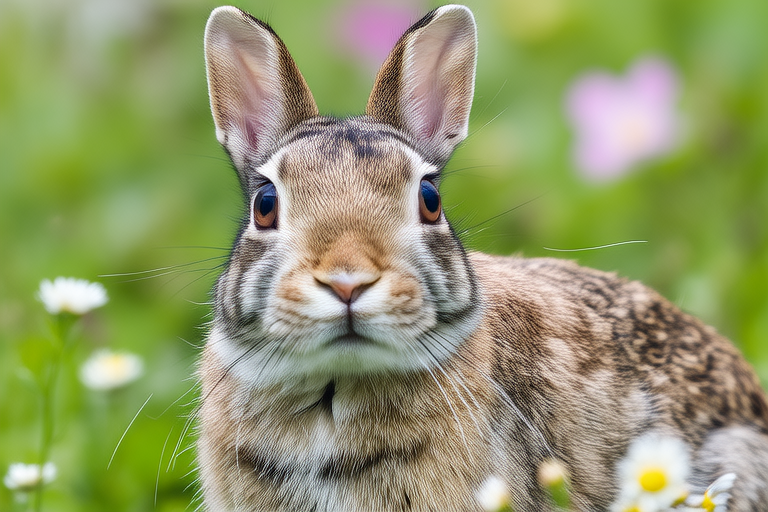
Dutch Dwarf Rabbits are renowned for their petite stature, typically weighing between 1.5 to 2.5 pounds, making them one of the smallest breeds of domestic rabbits. Their compact size is complemented by their striking appearance, characterized by their round heads, short ears, and glossy coats. The breed comes in a variety of colors, including white, black, blue, chocolate, and lilac, often featuring distinct markings on their faces, chests, and feet. This combination of small size and colorful patterns makes Dutch Dwarfs visually appealing and easily recognizable.
Beyond their physical attributes, Dutch Dwarfs are celebrated for their friendly and sociable nature. They are generally docile, curious, and highly interactive, traits that make them excellent companions for both children and adults. Their gentle demeanor and playful behavior can brighten any home environment. Despite their small size, they are surprisingly robust and active, often engaging in energetic play sessions that can entertain and amuse their human companions.
Suitability as Pets
The suitability of Dutch Dwarf Rabbits as pets is largely attributed to their manageable size and easy-care requirements. Due to their compact nature, they require less space than larger breeds, making them ideal for apartment living or homes with limited outdoor areas. A spacious indoor cage or a dedicated room equipped with proper bedding, toys, and hiding spots provides a comfortable living environment for these rabbits. Regular exercise, either through supervised playtime or a secure outdoor enclosure, ensures their physical and mental well-being.
When it comes to care requirements, Dutch Dwarfs are relatively low-maintenance. Their grooming needs are minimal, with weekly brushing sufficient to keep their coats healthy and free from mats. Their diet primarily consists of high-quality hay, fresh vegetables, and occasional pellets, supplemented with clean water. It’s crucial to provide a balanced diet and monitor their weight to prevent obesity, a common issue in this breed.
Health-wise, Dutch Dwarfs are generally hardy but can be prone to certain conditions, such as dental problems, respiratory infections, and digestive issues. Regular veterinary check-ups and early intervention can help manage and prevent these ailments. Providing a stress-free environment and a consistent routine can also contribute to their overall health.
Growing Popularity: Anecdotes and Studies
The increasing popularity of Dutch Dwarf Rabbits can be attributed to their charm and adaptability. According to a recent survey conducted by the American Rabbit Breeders Association, the number of Dutch Dwarfs registered as show rabbits has risen significantly over the past decade. This trend reflects the breed’s growing recognition and favor among rabbit fanciers.
Anecdotal evidence from pet owners worldwide highlights the joy these rabbits bring to their households. Many families appreciate the ease of caring for Dutch Dwarfs, especially those with young children who may be intimidated by larger animals. The rabbits’ gentle nature and affectionate disposition make them perfect companions for children, teaching them responsibility and empathy. Additionally, first-time rabbit owners often find Dutch Dwarfs to be an ideal introduction to rabbit care, given their manageable size and straightforward needs.
In Europe, where rabbit keeping is a long-standing tradition, Dutch Dwarfs have become a favorite among urban dwellers seeking a pet that fits into small spaces. Their popularity extends to countries like the United States, Canada, and Australia, where they have gained a following among pet lovers looking for a unique and endearing companion.
Tips for Potential Owners
For those considering adopting a Dutch Dwarf Rabbit, here are some essential tips to ensure a happy and healthy relationship:
- Proper Housing: Provide a safe and comfortable living space, ensuring adequate ventilation, protection from drafts, and easy access to food and water.
- Regular Exercise: Allow your rabbit ample time outside its cage each day to stretch, run, and explore. Supervised playtime in a rabbit-proofed area is ideal.
- Nutrition: Feed a balanced diet rich in hay, supplemented with fresh vegetables and a small amount of pellets. Avoid overfeeding treats that could lead to obesity.
- Health Monitoring: Watch for signs of illness, such as changes in appetite, lethargy, or unusual behavior. Regular vet visits are crucial for preventive care.
- Interaction: Spend quality time with your rabbit daily, offering gentle handling and positive reinforcement to build trust and strengthen the bond.
By following these guidelines, you can ensure that your Dutch Dwarf Rabbit thrives in its new home, providing years of companionship and joy.
In conclusion, Dutch Dwarf Rabbits are captivating creatures that have won the hearts of many around the globe. Their unique blend of small size, attractive appearance, and friendly temperament makes them perfect pets for various settings. As their popularity continues to grow, it’s clear that these rabbits will remain cherished companions for many years to come. Whether you’re a seasoned rabbit owner or considering your first pet, Dutch Dwarfs offer a delightful and rewarding experience that is sure to bring smiles and warmth to your home.
