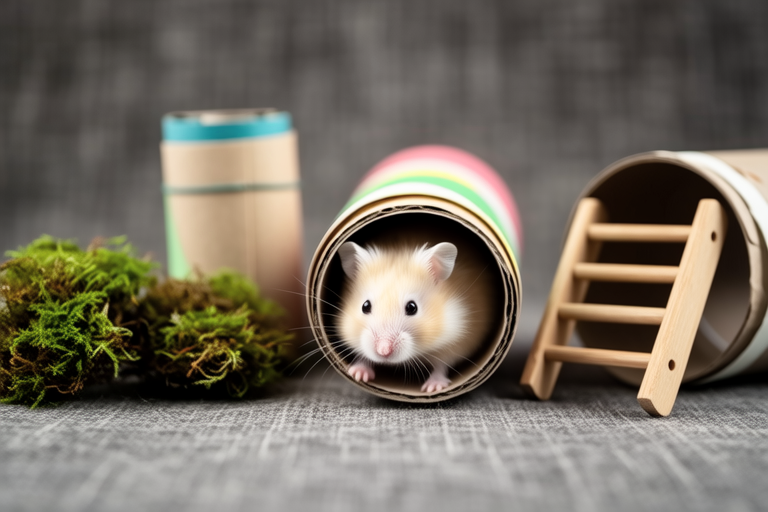
Hamster Habitat Hacks: DIY Ideas to Make Your Pet Happy!
Welcome to the wonderful world of hamster care! If you’re a proud hamster owner or considering adopting one, you know how important it is to provide your furry friend with a safe, comfortable, and stimulating environment. This guide offers practical, easy-to-follow DIY projects that will enhance your pet’s living space, ensuring they lead a happy and healthy life.
The Importance of Space, Toys, Bedding, and Hiding Spots
A hamster’s habitat plays a crucial role in their overall health and happiness. Providing ample space, engaging toys, cozy bedding, and secure hiding spots can significantly improve their quality of life. A spacious cage allows your hamster to explore, exercise, and stretch out comfortably. Toys offer mental stimulation, preventing boredom and stress-related behaviors. Soft bedding keeps them warm and comfortable, while hiding spots give them a sense of security.
Creating Safe, Stimulating Habitats Using Common Household Items
Building a hamster habitat doesn’t have to be expensive or complicated. Many materials found around the house can be repurposed into fun and functional additions for your pet’s cage. Here are some ideas:
- Tunnels: Use cardboard tubes from paper towels or toilet paper rolls to create winding tunnels. These can be connected with small pieces of cardboard or fabric to form intricate networks.
- Exercise Wheels: While store-bought wheels are available, making your own can be both economical and tailored to your hamster’s size. Cardboard boxes cut to fit the wheel can provide additional height and excitement.
- Feeding Stations: Create simple feeders using plastic containers with holes drilled for food dispensing. This can encourage natural foraging behavior.
Step-by-Step Instructions for Building Structures
Tunnels
- Gather several cardboard tubes of varying sizes. Tubes from paper towel rolls work best for smaller hamsters, while toilet paper rolls are ideal for larger breeds.
- Cut the tubes to desired lengths, ensuring they are not too long for your hamster to navigate easily.
- Connect the tubes using small pieces of cardboard or fabric. Secure the connections with tape or glue.
- Place the tunnel system inside the cage, ensuring it does not obstruct other essential areas such as the food dish or water bottle.
Exercise Wheels
- Select a sturdy base material, such as a large cardboard box or a piece of wood. The base should be at least twice the length of your hamster.
- Attach a circular structure, like a plastic container lid or a piece of corrugated cardboard, to the base. This will serve as the wheel.
- Secure the wheel to the base using screws or strong adhesive. Ensure the wheel is stable and rotates smoothly.
- Test the wheel by gently pushing it. If it moves freely without wobbling, it’s ready for your hamster.
Feeding Stations
- Choose a durable plastic container with a lid. Ensure the container is food-safe and has no sharp edges.
- Drill several small holes in the bottom of the container. The size of these holes should allow food pellets to pass through but prevent larger pieces from escaping.
- Fill the container with your hamster’s favorite treats or pellets.
- Place the feeder inside the cage, ensuring it is securely positioned and not easily tipped over.
Additional Tips for Hamster Care
In addition to building DIY structures, there are several other ways to enrich your hamster’s environment:
- Rotating Toys: Introduce new toys periodically to keep your hamster engaged and prevent boredom.
- Safe Exploration: Supervise your hamster during playtime outside the cage to ensure they don’t ingest harmful substances.
- Regular Cleaning: Clean the cage weekly, replacing soiled bedding and sanitizing any toys or accessories.
Conclusion
By incorporating these DIY projects and tips into your hamster’s routine, you can create a thriving habitat that promotes their physical and mental well-being. Remember, a happy hamster is a healthy hamster, and a little effort goes a long way in ensuring your pet enjoys its home. Whether you’re a first-time pet owner or a seasoned caregiver, these hacks will help you build a safe, stimulating, and comfortable environment for your beloved hamster.
