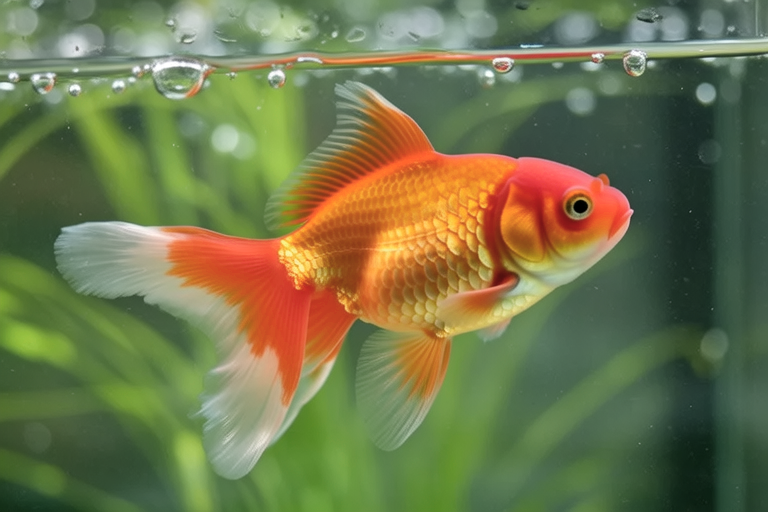
The Ultimate Guide to Goldfish Care: What Every Owner Needs to Know
Goldfish are one of the most popular pets globally, known for their vibrant colors and playful nature. However, despite their reputation as easy-to-care-for fish, goldfish require specific care to thrive and live long, healthy lives. This comprehensive guide covers everything from setting up the perfect tank to maintaining water quality and addressing common health issues. Whether you’re a first-time owner or have years of experience, this article will provide you with the knowledge necessary to ensure your goldfish’s wellbeing.
Optimal Tank Setup
The first step in providing excellent care for your goldfish is setting up a suitable living environment. A properly sized tank is crucial; goldfish need ample space to swim freely. For single goldfish, a tank of at least 20 gallons is recommended, increasing by 10 gallons per additional fish. Avoid bowls or tanks smaller than 20 gallons, as they can lead to stress and poor health due to limited swimming space.
Select a tank shape that allows for maximum swimming area. Long, rectangular tanks offer more horizontal space, which is ideal for goldfish. Ensure the tank has a secure lid to prevent escape and accidental injuries.
Substrate and decorations play significant roles in your goldfish’s habitat. Gravel or sand can be used as substrate, but choose large enough pieces to prevent ingestion. Decorations such as plants, caves, and floating objects provide hiding spots and enrichment. However, be cautious with sharp or small items that could harm your fish.
Filters are essential for maintaining clean water. Choose a filter rated for at least twice the volume of your tank to ensure adequate filtration. Filters help remove waste, debris, and excess food, preventing ammonia buildup that can be harmful to your goldfish.
Water Conditions
Maintaining proper water conditions is vital for goldfish health. Start by using dechlorinated water, either through treatment or letting tap water sit for 24 hours before adding it to the tank. The pH level should be between 6.5 and 8.0, and hardness between 5 and 19 dGH.
Regular water changes are necessary to keep the tank clean. Aim for weekly partial water changes of about 25% of the total volume. This helps maintain stable water parameters and reduces the risk of disease. Always treat new water before adding it to the tank to avoid shocking your fish.
Monitor water temperature, ideally keeping it between 68°F and 74°F (20°C to 23°C). Sudden temperature fluctuations can stress goldfish, so avoid placing the tank near windows, doors, or heating/cooling vents.
Feeding Guidelines
A balanced diet is key to your goldfish’s health. Offer a variety of foods to ensure they receive all necessary nutrients. High-quality flake or pellet food designed specifically for goldfish is a good base. Supplement their diet with occasional treats like blanched vegetables (such as zucchini or peas) and live or frozen foods (like brine shrimp or bloodworms).
Feed your goldfish small amounts two to three times daily. Overfeeding leads to waste accumulation, which can degrade water quality. Observe your fish closely during feeding; if there is leftover food after five minutes, reduce the portion size.
Vary the types of food you offer to stimulate appetite and provide nutritional diversity. Some commercial foods contain color-enhancing ingredients that can help bring out the natural hues of your goldfish.
Common Health Issues
Even with optimal care, goldfish may encounter health problems. Recognizing symptoms early allows for prompt intervention and better outcomes. Common issues include:
- Fin Rot: Characterized by frayed, discolored, or missing fins. Caused by poor water quality or bacterial infections.
- Fungal Infections: White cotton-like growths on the body or fins. Often result from weakened immune systems due to stress or injury.
- Ich: Small white spots appear on the skin and gills. Caused by parasites and typically linked to fluctuating water temperatures.
- Dropsy: Swelling of the abdomen and scales protruding from the body. Indicates internal organ failure, often caused by bacterial infections.
If you notice any of these symptoms, quarantine the affected fish immediately and consult a veterinarian specializing in aquatic animals for appropriate treatment.
Regular Maintenance Routines
To maintain a healthy tank environment, establish a routine for cleaning and maintenance tasks. Regularly check the water parameters using test kits for pH, ammonia, nitrite, and nitrate levels. Adjust as needed to keep within safe ranges.
Clean filters according to manufacturer instructions, usually every few weeks, to prevent clogging and maintain efficiency. Inspect equipment regularly for wear and tear, replacing parts as necessary.
Monitor your goldfish’s behavior and appearance daily. Healthy fish are active swimmers with clear eyes and vibrant colors. Any sudden changes in behavior or physical condition warrant further investigation.
Conclusion
Proper care is essential for ensuring the longevity and well-being of your goldfish. By following these guidelines, you’ll create a nurturing environment that promotes their health and happiness. Remember, goldfish can live up to 10-15 years with proper care, making them rewarding companions for many years to come.
