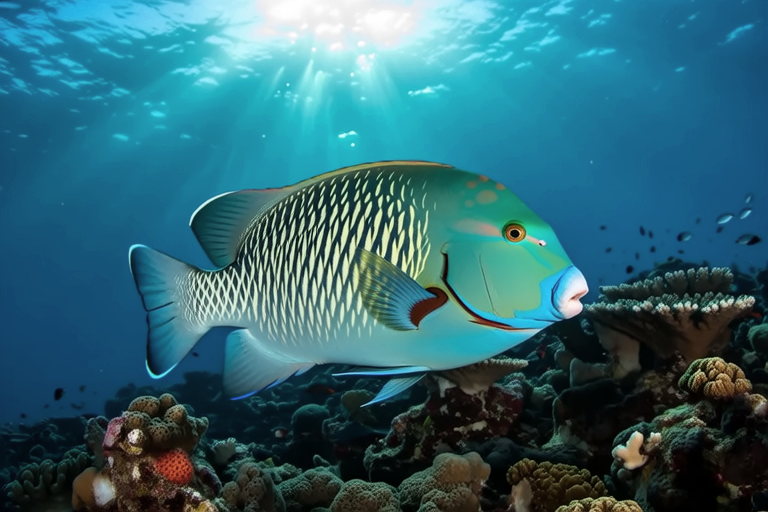
The Vibrant Underwater World of Parrot Fish: A Dive into Color and Behavior
When we think of the ocean, images of vast blue expanses, towering coral reefs, and bustling sea life come to mind. Among the myriad of colorful inhabitants, parrot fish stand out with their striking hues and fascinating behaviors. These fish are not only visually stunning but also play a crucial role in maintaining the health of coral reefs. This article delves into the world of parrot fish, exploring their vibrant colors, intriguing behaviors, and the challenges they face in their marine environment.
Introduction to Parrot Fish
Parrot fish are a group of approximately 90 species within the family Scaridae. They are found primarily in tropical and subtropical waters around the world, including the Caribbean, the Indo-Pacific, and the Red Sea. Known for their distinctive beak-like mouths, these fish are easily recognizable, but it’s their brilliant colors that truly set them apart. Their bodies are adorned with a dazzling array of hues, ranging from electric blues and greens to fiery oranges and reds. Each species has its own unique pattern, making them one of the most colorful fish in the ocean.
Their vibrant colors serve multiple purposes. Bright hues help parrot fish camouflage themselves among the corals, blending seamlessly with the reef’s vibrant palette. This is especially useful when they are resting or hiding from predators. Conversely, during mating season, these same colors become more vivid, serving as a powerful display to attract potential mates. The intensity of their colors can vary depending on the fish’s age, sex, and social status, making each individual unique.
Diverse Hues and Patterns
The diversity in parrot fish coloration is remarkable. Some species, like the Queen parrot fish, exhibit a kaleidoscope of colors that shift and change as they mature. Juvenile Queen parrot fish have a predominantly brownish-green color with black spots, which gradually evolve into the bright blues, yellows, and purples seen in adults. In contrast, the Blue parrot fish maintains a consistent electric blue throughout its life, with a prominent white stripe running along its side.
Patterns also play a significant role in the lives of parrot fish. Many species feature intricate designs that help them blend into their surroundings. For instance, the Chevron parrot fish has a series of dark stripes that resemble the chevrons on a military uniform, providing excellent camouflage against the shadows and crevices of the reef. These patterns not only aid in predator avoidance but also in identifying other members of their species.
Behavior: Feeding Habits
One of the most interesting aspects of parrot fish behavior is their feeding habits. Primarily herbivorous, they play a vital role in maintaining the health of coral reefs. Using their strong beaks, parrot fish scrape algae off coral surfaces, helping to keep the reefs clean and healthy. This process is crucial because excessive algal growth can smother corals, preventing them from receiving the sunlight necessary for photosynthesis.
During feeding, parrot fish can consume large quantities of algae, processing it in their specialized digestive systems. Some species even produce a sand-like substance as a byproduct of this digestion, contributing to the formation of beaches. This behavior highlights the interconnectedness of marine ecosystems and the important role played by parrot fish in maintaining ecological balance.
Sleeping Habits
Parrot fish are known for their peculiar sleeping habits. Before retiring for the night, many species secrete a mucus cocoon around their bodies. This slimy substance serves as a protective barrier, deterring parasites and potential predators. The cocoon also masks the fish’s scent, further reducing the chances of nocturnal attacks. While this behavior may seem unusual, it underscores the fish’s adaptability and resourcefulness in dealing with the challenges of their marine environment.
The creation of the mucus cocoon is a fascinating process. Parrot fish release mucus from special glands located near their gills. As the liquid flows over their bodies, it forms a thin, protective layer. Some species even ingest parts of the cocoon before it fully dries, recycling nutrients back into their bodies. This nightly ritual is a testament to the intricate survival mechanisms developed by these fish over millions of years.
Challenges and Conservation Efforts
Despite their vibrant colors and important ecological roles, parrot fish face numerous challenges in their environment. Overfishing poses a significant threat, with many species being targeted for their meat and vibrant skin. Habitat destruction, caused by coastal development and climate change, further exacerbates the problem. Rising sea temperatures and increased acidity levels can harm coral reefs, reducing the available habitat for parrot fish and other marine organisms.
To address these issues, conservation efforts are underway. Marine protected areas (MPAs) are being established to safeguard critical habitats and allow fish populations to recover. Sustainable fishing practices are also being promoted, encouraging fishermen to adopt methods that minimize harm to non-target species. Additionally, public awareness campaigns aim to educate people about the importance of preserving marine biodiversity.
It is crucial that we continue these efforts to protect parrot fish and the vibrant underwater world they inhabit. By doing so, we ensure that future generations can marvel at the beauty and complexity of our oceans.
Conclusion
The vibrant underwater world of parrot fish is a testament to the wonders of marine life. From their dazzling colors to their unique behaviors, these fish captivate both casual observers and marine biology enthusiasts alike. Their role in maintaining coral reefs highlights the delicate balance of marine ecosystems and the importance of preserving these vibrant creatures for future generations. By supporting conservation efforts and raising awareness about the challenges faced by parrot fish, we can help ensure the continued health and beauty of our oceans.
