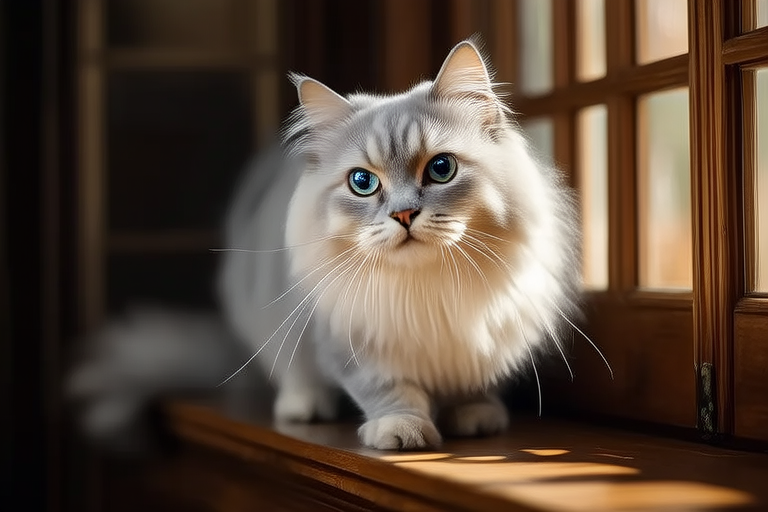
Unleashing the Grace: Life with a Turkish Angora
The Turkish Angora, a regal and graceful feline, has captivated hearts for centuries. This elegant breed hails from the Ankara region of central Turkey, where it has been cherished for its striking beauty and lively personality. In this article, we will explore the unique characteristics, rich history, and care requirements of the Turkish Angora, sharing personal experiences and insights into what it’s like to own one of these enchanting creatures.
A Glimpse into History
The Turkish Angora’s origins can be traced back thousands of years, making it one of the oldest recognized breeds. Legends tell of these cats being companions to royalty and even appearing in ancient Turkish folklore. Their name, “Angora,” stems from the city of Ankara (formerly known as Angora), which was once renowned for its production of luxurious angora wool. These cats, with their long, silky coats, were often associated with this textile.
During the 16th century, Turkish Angoras were introduced to Europe through trade routes and became highly sought after by nobility. They were admired for their elegance and grace, and their presence at royal courts made them symbols of luxury and refinement. Today, they remain a beloved breed, cherished for their distinctive appearance and charming demeanor.
The Unique Characteristics of the Turkish Angora
One of the most striking features of the Turkish Angora is its coat. The breed comes in a wide array of colors and patterns, including white, black, blue, red, cream, and tabby. Their fur is soft and silky, and while some Angoras have a single-layer coat, others possess a double-layer coat that provides extra insulation. Regardless of the coat type, regular grooming is essential to keep their fur healthy and free from mats.
Turkish Angoras are medium-sized cats with slender bodies and long legs, giving them an almost ethereal quality. Their large, expressive eyes can be blue, green, gold, or a combination of these hues, depending on their coat color. Their ears are large and alert, always on the lookout for interesting sounds. Their tails are long and bushy, often adorned with a plume-like appearance.
Beyond their physical attributes, Turkish Angoras are known for their intelligence and playfulness. They are curious and inquisitive, often exploring every nook and cranny of their environment. They love to play fetch and enjoy interactive toys that stimulate their minds. Their agility and athleticism make them excellent climbers and jumpers, and they are often found perched on high surfaces, surveying their surroundings.
Care Requirements and Personal Experiences
Owning a Turkish Angora is a rewarding experience, but it also comes with certain responsibilities. Proper grooming is crucial to maintaining their luxurious coats. Regular brushing helps prevent matting and distributes natural oils throughout the fur. Bathing should be done sparingly, as over-bathing can strip the coat of its natural oils. A good rule of thumb is to bathe your Angora only when necessary, such as after rolling in dirt or if there’s an odor issue.
Health considerations are another important aspect of caring for a Turkish Angora. While generally healthy, they are prone to certain genetic conditions, including hypertrophic cardiomyopathy (HCM) and progressive retinal atrophy (PRA). It’s essential to choose a reputable breeder who screens their cats for these conditions and provides documentation of any necessary genetic testing. Regular veterinary check-ups and preventive care, such as vaccinations and parasite control, are vital for ensuring your cat’s well-being.
Dietary needs should also be considered. Like all cats, Turkish Angoras require a balanced diet that meets their nutritional requirements. High-quality commercial cat foods that are appropriate for their life stage (kitten, adult, senior) are usually sufficient. However, some owners prefer to provide a raw or home-cooked diet, tailored to their cat’s specific needs. Consultation with a veterinarian is recommended before making any significant changes to your cat’s diet.
Personal experiences highlight the joys and challenges of living with a Turkish Angora. One of the most delightful aspects is their affectionate nature. They form strong bonds with their human companions and often seek out attention and companionship. Many owners describe their Angoras as “lap cats” who enjoy cuddling and being close to their people. Despite their independent streak, they are generally social and enjoy interacting with their families.
However, their active and curious nature can sometimes lead to mischief. Turkish Angoras are known for their ability to open cabinets, knock items off shelves, and find ways to entertain themselves when left alone. Providing plenty of stimulating toys and activities can help channel their energy and reduce destructive behavior. Interactive play sessions are especially beneficial for keeping them mentally and physically engaged.
Grooming Tips and Health Considerations
Grooming a Turkish Angora requires dedication and patience. Regular brushing helps remove loose hair and prevents matting. A slicker brush or a metal comb works well for this purpose. Pay special attention to areas where tangles are more likely to occur, such as behind the ears and around the tail. Bathing should be done gently, using a mild shampoo specifically formulated for cats. After bathing, dry your cat thoroughly to prevent chilling.
Health considerations for Turkish Angoras include monitoring their weight and activity levels. Obesity can lead to various health issues, so it’s important to maintain a healthy weight through proper nutrition and exercise. Regular weigh-ins and consultations with your veterinarian can help ensure your cat remains in optimal condition. Additionally, keeping their nails trimmed and their teeth clean is essential for overall health.
Dietary Needs and Conclusion
Dietary needs for Turkish Angoras should be carefully considered. High-quality commercial cat foods that meet AAFCO standards are generally suitable. However, some owners opt for raw or home-cooked diets, which can provide additional benefits. If you choose to feed your cat a homemade diet, consult with a veterinarian or a certified feline nutritionist to ensure all necessary nutrients are included. Always provide fresh water and consider using a water fountain to encourage drinking.
In conclusion, owning a Turkish Angora is a delightful experience filled with joy, companionship, and occasional challenges. Their elegance, playful nature, and intelligence make them a cherished addition to many households. If you’re considering adding a Turkish Angora to your family, take the time to research reputable breeders and understand the care requirements. Spend time bonding with your new companion, providing them with love, attention, and a safe, stimulating environment. With proper care and attention, your Turkish Angora will bring years of happiness and grace into your life.
