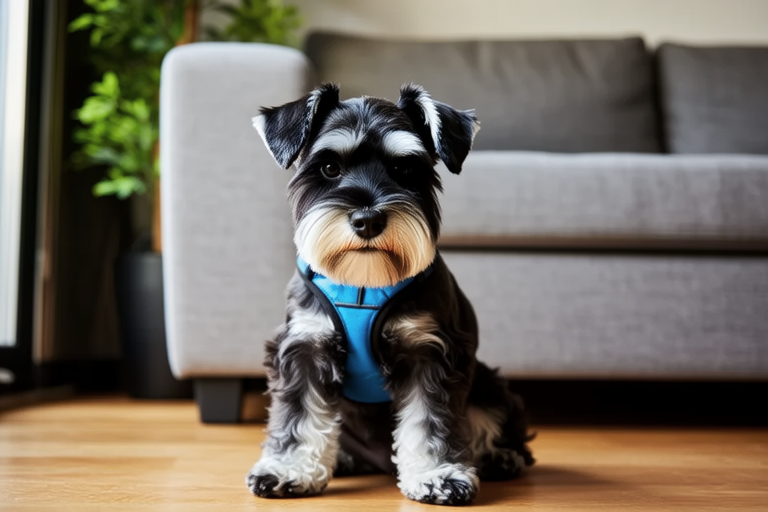
Schnauzer Training Tips: How to Raise the Perfect Companion
Training your Schnauzer can be one of the most rewarding experiences as a pet owner. These intelligent and spirited dogs require consistent guidance to become well-rounded companions. In this guide, we will explore various aspects of raising your Schnauzer, from basic obedience training to addressing common behavioral issues. With patience and dedication, you can turn your Schnauzer into the perfect companion.
Basic Obedience Training
Teaching your Schnauzer basic commands is essential for both their safety and your peace of mind. Start with simple commands like ‘sit,’ ‘stay,’ ‘come,’ and ‘down.’ Use positive reinforcement, such as treats and praise, to encourage good behavior. For example, when teaching ‘sit,’ hold a treat above your Schnauzer’s nose and slowly move it back, prompting them to sit. Once they sit, give them the treat and plenty of praise.
Consistency is key in training. Make sure all family members use the same commands and rewards system. This helps avoid confusion and reinforces the desired behaviors. Regular practice sessions are also important. Short, frequent training sessions (5-10 minutes) are more effective than long, infrequent ones. Incorporate training into everyday activities, such as meal times or walks, to make learning fun and engaging.
Socialization Techniques
Socializing your Schnauzer is crucial for developing their confidence and reducing fear or aggression towards other animals and people. Expose your dog to various environments, sounds, and stimuli from a young age. Take them to parks, introduce them to friends and family, and let them experience different surfaces, like grass, pavement, and sand.
During socialization, always ensure your Schnauzer feels safe and comfortable. If they show signs of discomfort, such as cowering or growling, remove them from the situation and try again later. Positive experiences during socialization can prevent behavioral problems later in life. Remember, socialization is an ongoing process that should continue throughout your Schnauzer’s life.
Exercise Needs
Schnauzers are energetic dogs that require regular exercise to maintain their physical and mental health. Daily walks, playtime, and interactive games are great ways to keep your Schnauzer active. Aim for at least two 30-minute walks per day, and include some form of mental stimulation, such as puzzle toys or training sessions.
Varying the type of exercise can help keep your Schnauzer engaged and prevent boredom. Try different routes on your walks, play fetch in the park, or engage in agility training. Keep in mind that Schnauzers have a strong prey drive, so it’s important to supervise them around smaller animals and provide adequate outlets for their energy.
Grooming Tips
Grooming is an essential part of caring for your Schnauzer. Their wiry coat requires regular brushing and professional grooming to maintain its texture and appearance. Brush your Schnauzer’s coat at least once a week to prevent matting and remove loose hair. Pay special attention to areas prone to tangles, such as behind the ears and under the legs.
Professional grooming every 6-8 weeks is recommended to keep your Schnauzer’s coat looking its best. During grooming appointments, ask your groomer about trimming your Schnauzer’s beard and sanitary area to prevent irritation and odor. Additionally, check your Schnauzer’s nails regularly and trim them if necessary. Clean their ears weekly to prevent infections, and brush their teeth daily to promote oral hygiene.
Common Behavioral Issues and Strategies for Addressing Them
Like any breed, Schnauzers may exhibit certain behavioral issues. Early intervention and consistent training can help address these problems effectively. Some common behavioral issues include excessive barking, chewing, and separation anxiety.
Excessive barking can be managed by teaching your Schnauzer the ‘quiet’ command. When they bark, say ‘quiet’ and wait for them to stop. Once they’re quiet, reward them with a treat and praise. Gradually increase the time they need to remain quiet before receiving a reward. Consistency and patience are vital in training your Schnauzer to control their barking.
Chewing is another common issue, especially for puppies. Provide appropriate chew toys and redirect your Schnauzer’s attention to these items when they start chewing on furniture or other household items. Praise and treats can reinforce good chewing habits. Supervision is also crucial in preventing destructive chewing. Keep potentially harmful objects out of reach and supervise your Schnauzer during unsupervised playtimes.
Separation anxiety can be distressing for both you and your Schnauzer. Gradually acclimate your dog to being alone by leaving them for short periods and gradually increasing the duration. Leave them with a toy or blanket with your scent to provide comfort. Desensitization techniques, such as playing calming music or using pheromone diffusers, can also help reduce anxiety.
The Importance of Patience and Consistency in Training
Raising a well-behaved Schnauzer takes time and effort. Be patient and consistent in your training efforts, and celebrate small victories along the way. Every dog learns at their own pace, and some may take longer to grasp certain commands or behaviors. Stay positive and focused on reinforcing good behaviors rather than punishing bad ones.
Consistency is key in establishing clear expectations and boundaries for your Schnauzer. Use the same commands and rewards system consistently across all training sessions and interactions. This helps your Schnauzer understand what is expected of them and reinforces the desired behaviors.
In real-life scenarios, consistency can make a significant difference in training outcomes. For instance, a Schnauzer named Max had difficulty with the ‘come’ command. His owner, Sarah, noticed that Max would only come when called if he was rewarded with a treat. By consistently rewarding Max for coming when called, regardless of the situation, Sarah was able to teach him to reliably respond to her call.
Patient and consistent training can also help address behavioral issues. A Schnauzer named Bella had developed separation anxiety after her owner, Mark, began working from home. Mark introduced a routine that included short periods of alone time, gradually increasing the duration. He also left Bella with a favorite toy and played calming music during his work hours. Over time, Bella became more comfortable being alone, and her anxiety significantly decreased.
Conclusion
Raising a well-trained Schnauzer requires patience, consistency, and dedication. By following these training tips and addressing common behavioral issues, you can help your Schnauzer become a well-rounded and happy companion. Remember to celebrate small victories along the way and stay positive in your training efforts. With proper care and attention, your Schnauzer will grow into a loving and loyal member of your family.
