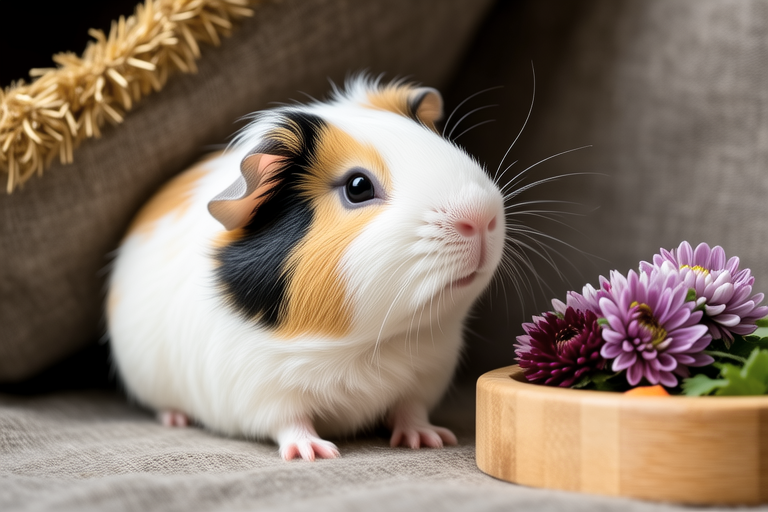
Adorable Guinea Pig Care Tips That Will Make You Fall in Love
Welcome to the delightful world of guinea pigs! These charming, sociable creatures have won the hearts of many pet lovers. With their soft fur, expressive eyes, and gentle nature, guinea pigs can be a wonderful addition to your family. However, like any pet, they require specific care to ensure they lead happy, healthy lives. This guide will provide you with essential tips on diet, housing, exercise, grooming, and health care to help you become the best guinea pig owner possible.
Diet: The Foundation of Health
Guinea pigs are herbivores, meaning their diet consists primarily of plant-based foods. Their dietary needs are quite specific, so it’s crucial to understand what they should and shouldn’t eat. The cornerstone of a guinea pig’s diet is hay. Timothy hay, in particular, is highly recommended because it aids in digestion and dental health. Guinea pigs’ teeth grow continuously throughout their lives, so providing them with plenty of hay helps wear down their teeth naturally.
In addition to hay, fresh vegetables and fruits are necessary to provide essential vitamins and minerals. Leafy greens such as kale, spinach, and romaine lettuce are excellent choices. However, always introduce new foods gradually to avoid upsetting their digestive systems. Fruits should be given sparingly due to their high sugar content; strawberries, blueberries, and apples are popular treats. Always remove uneaten portions after feeding to prevent spoilage.
Vitamin C is another critical nutrient for guinea pigs. Since they cannot produce this vitamin themselves, it must come from their diet. Citrus fruits like oranges and lemons are rich in vitamin C but should be offered in moderation due to their acidity. Pellets specifically formulated for guinea pigs also contain vitamin C and should be part of their daily diet.
Housing: Creating a Comfortable Home
Adequate housing is essential for your guinea pig’s well-being. A spacious cage provides room for movement and prevents stress. Opt for a cage at least 7.5 square feet for one guinea pig, increasing the size if you plan to keep more than one. Wire-bottom cages are not suitable as they can cause foot injuries. Instead, choose a solid-bottom cage lined with soft bedding material such as paper-based products or fleece.
Provide hiding spots and tunnels to mimic their natural burrowing behavior. Cardboard boxes or commercially available hideouts work well. Additionally, include a litter box filled with safe, non-clumping cat litter to encourage proper elimination habits. Clean the cage regularly to maintain hygiene and prevent odor issues. Guinea pigs are sensitive to strong smells, so use mild, pet-safe cleaning solutions.
Temperature and humidity play significant roles in your guinea pig’s comfort. Keep their living area between 65-75°F (18-24°C) and avoid direct sunlight or drafts. Humidity levels should be maintained around 40-60%. If your home tends to be dry, consider using a humidifier to prevent respiratory issues.
Exercise: Keeping Them Active and Happy
Exercise is vital for maintaining a guinea pig’s physical and mental health. While their cage provides some space for movement, they need regular out-of-cage time for exploration and play. Set up a safe, enclosed area where they can run around, jump, and interact with toys. Guinea pigs enjoy tunnels, balls, and chew toys that stimulate their senses and encourage activity.
Supervised playtime outside the cage is ideal for social interaction and bonding. Take advantage of this time to engage with your guinea pig through gentle handling and positive reinforcement. Guinea pigs are social animals and thrive on companionship, so if possible, consider keeping two or more together. They often form close bonds and enjoy each other’s company.
Remember, guinea pigs are prey animals and may feel anxious in unfamiliar environments. Approach them gently and provide a calm atmosphere during play sessions. Always supervise them closely to ensure their safety.
Grooming: Maintaining Their Appearance and Well-being
Regular grooming helps keep your guinea pig looking and feeling great. Brush their coat weekly using a soft-bristled brush to remove loose hair and prevent matting. Long-haired guinea pigs may require more frequent brushing to prevent tangles. Bathing is generally unnecessary unless your guinea pig has rolled in something unsavory. Use a gentle, pet-safe shampoo and thoroughly rinse to avoid skin irritation.
Trimming nails is another important grooming task. Overgrown nails can cause discomfort and difficulty walking. Use small animal nail clippers and trim only the tip of each nail, avoiding the quick (the pink, blood-filled portion inside the nail). If you’re unsure how to do this, consult a veterinarian for guidance.
Teeth and ears also require attention. Check their teeth periodically to ensure they aren’t overgrown or misaligned. Signs of dental problems include drooling, difficulty eating, or excessive tooth grinding. Regular ear checks can help detect infections early. Clean their ears gently with a damp cloth if needed.
Health Care: Ensuring a Long, Healthy Life
Regular veterinary check-ups are crucial for maintaining your guinea pig’s health. Schedule annual visits starting when they are six months old, and more frequently if they develop health issues. Common conditions include dental problems, respiratory infections, and urinary tract infections. Early detection and treatment improve outcomes significantly.
Monitor your guinea pig’s behavior and appetite daily. Sudden changes could indicate illness. Symptoms to watch for include lethargy, loss of appetite, discharge from the eyes or nose, or difficulty breathing. Consult a veterinarian immediately if you notice any concerning signs.
Vaccinations are not typically required for guinea pigs, but spaying or neutering is recommended. Female guinea pigs can develop uterine cancer, and males benefit from reduced aggression and territorial behavior. Discuss these options with your veterinarian to determine the best course of action for your pet.
The Joy of Guinea Pig Ownership
Owning a guinea pig can be incredibly rewarding. These adorable creatures offer companionship, entertainment, and unconditional love. Their playful antics and unique personalities bring joy to their owners every day. By providing proper care, you ensure they live long, healthy lives filled with happiness.
Guinea pigs are known for their vocalizations, making various sounds to express themselves. They chirp when excited, purr when content, and whistle to communicate with their human companions. Spend time observing their behaviors and learning their individual quirks. This deepens the bond between you and your pet, creating lasting memories.
A Call to Action: Responsible Pet Ownership
Before bringing a guinea pig into your home, carefully consider the commitment involved. Guinea pigs can live up to eight years, requiring ongoing care and attention throughout their lives. Research extensively and prepare adequately before making this decision.
If you’re ready to welcome a guinea pig into your family, adopt from a reputable shelter or rescue organization. Many deserving guinea pigs await loving homes, and adoption is a fulfilling way to provide a second chance. Once you’ve made the decision, follow these care tips diligently to ensure your new friend enjoys a lifetime of health, happiness, and love.
