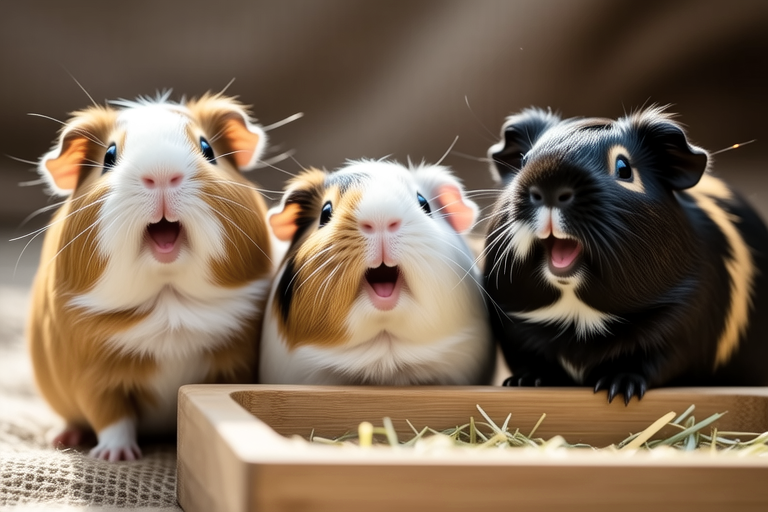
Guinea Pigs: The Secret Behind Their Adorable Chirping Sounds
Guinea pigs have long been cherished as delightful companions for families and individuals alike. These small, furry creatures are known for their gentle nature and endearing habits. One of the most charming aspects of owning a guinea pig is the variety of vocalizations they produce, each carrying a specific meaning. Among these sounds, chirping stands out as particularly fascinating, captivating the hearts of many pet owners.
Chirping is a high-pitched, bird-like sound that guinea pigs make, often described as a series of short, quick notes. Unlike their other vocalizations such as squeaks, whistles, or rumbling, chirps are relatively rare and hold particular intrigue for both novice and experienced guinea pig owners. This unique sound usually occurs during moments of excitement, curiosity, or when the guinea pig is anticipating something positive, like feeding time or playtime.
The Science Behind Chirping
While the exact reasons for chirping remain somewhat mysterious, scientists have conducted several studies to understand these vocalizations better. One notable study suggests that chirping may be an evolutionary trait that helps guinea pigs communicate over longer distances. In the wild, this could be useful for alerting others to potential food sources or areas of safety.
Another theory posits that chirping serves as a form of social bonding. When guinea pigs chirp, they may be attempting to establish or reinforce connections with other guinea pigs or even their human caregivers. This vocalization might also be linked to heightened states of awareness, similar to how humans react when they are excited or surprised.
Interestingly, chirping can also occur when guinea pigs are exposed to sudden changes in their environment, such as new scents, unfamiliar noises, or unexpected movements. In these situations, chirping might serve as a way for the guinea pig to express its surprise or curiosity about the new stimuli.
Understanding Your Guinea Pig’s Mood Through Chirping
Owners who pay close attention to their guinea pigs will notice that chirping often accompanies certain behaviors. For instance, if your guinea pig chirps while running around its cage, it could be expressing joy and excitement at exploring its surroundings. Similarly, chirping during feeding times might indicate anticipation and happiness at receiving treats or fresh vegetables.
However, it’s important to note that chirping can also occur when a guinea pig is stressed or anxious. If you observe your pet chirping excessively in response to loud noises or unfamiliar people, it might be signaling discomfort. In such cases, it’s advisable to create a quieter, more secure environment for your guinea pig to help alleviate any stress.
To better understand your guinea pig’s chirping, consider keeping a journal where you record the circumstances surrounding each instance. Over time, you’ll develop a clearer picture of what triggers your pet’s chirps and how it responds to different situations. This knowledge can be invaluable in strengthening the bond between you and your guinea pig.
Responding to Chirping: Building a Stronger Bond
When your guinea pig chirps, it’s an excellent opportunity to engage with them positively. If the chirping seems to be due to excitement or anticipation, try reinforcing this behavior by offering praise or a favorite treat. This can help your guinea pig associate chirping with positive experiences, making it more likely to chirp again in similar situations.
For example, if your guinea pig chirps while waiting for you to come home, take a moment to pet them gently and offer a small snack. This interaction can help your guinea pig feel more comfortable and secure in your presence, further enhancing your bond. Additionally, spending quality time with your pet through activities such as playing, grooming, or simply sitting quietly together can encourage more frequent and pleasant chirping.
If chirping appears to be a sign of anxiety or stress, focus on creating a calm and predictable environment. Minimize loud noises and keep the living space free from sudden changes. Gradually introduce your guinea pig to new stimuli in a controlled manner, allowing them to acclimate at their own pace. By addressing the underlying cause of stress, you can help reduce unwanted chirping and promote a healthier, happier pet.
Tips for New Guinea Pig Owners
For those new to the world of guinea pigs, understanding and interpreting their vocal cues can be both exciting and challenging. Here are some practical tips to help you get started:
- Observe Regularly: Spend time observing your guinea pig in various settings to familiarize yourself with their different vocalizations. Note which sounds accompany specific behaviors or emotions.
- Stay Patient: It may take some time to fully understand your guinea pig’s vocal signals. Be patient and consistent in your interactions, and over time, you’ll become more attuned to their needs and moods.
- Learn Common Sounds: Familiarize yourself with common guinea pig vocalizations, including chirping, squeaking, and rumbling. Each sound has its unique meaning, so learning to distinguish between them can greatly enhance your ability to communicate with your pet.
- Create a Comfortable Environment: Ensure your guinea pig has a safe, comfortable living space that meets all their physical and emotional needs. A well-adjusted guinea pig is more likely to chirp happily and confidently.
- Seek Professional Advice: If you’re unsure about your guinea pig’s behavior or health, consult with a veterinarian or a professional animal behaviorist. They can provide valuable insights and guidance tailored to your specific situation.
By following these tips and maintaining an open, curious approach, you’ll be well on your way to building a strong, trusting relationship with your guinea pig. With patience and dedication, you’ll soon find yourself interpreting your pet’s chirps and other vocalizations with ease, enriching both your lives in the process.
