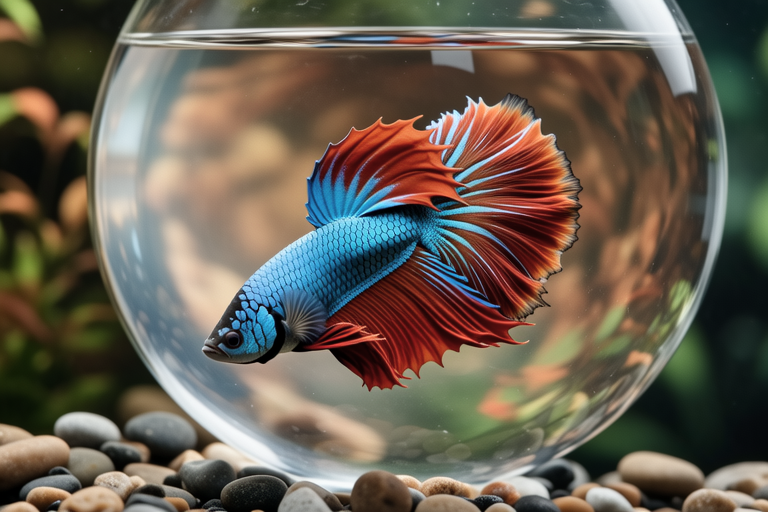
From Fighting Fish to Aquarium Favorite: All You Need to Know About Betta Care
Betta fish, also known as Siamese fighting fish, have long been admired for their vibrant colors and flowing fins. These captivating creatures have a rich history and a fascinating origin story that has made them one of the most popular choices for aquarium enthusiasts. In this comprehensive guide, we will explore everything you need to know about betta care, from their historical roots to the latest tips for keeping these beautiful fish happy and healthy.
The History and Origin of Betta Fish
The origins of betta fish trace back to the rice paddies of Thailand (formerly Siam) and parts of Malaysia. Native to shallow waters, they have adapted to living in small ponds, canals, and slow-moving streams. The males of this species are particularly aggressive, which led to their use in traditional Thai betting matches. Participants would place bets on which male would emerge victorious in territorial disputes.
Today, bettas are cherished for their striking appearance rather than their combative nature. Their popularity soared when they were first introduced to the Western world in the late 19th century. Over time, selective breeding has produced an array of stunning color variations and fin types, making them a favorite among both novice and experienced aquarists.
Tank Setup for Betta Fish
Setting up the perfect home for your betta fish is crucial to ensuring their well-being. While many people believe that bettas can thrive in small containers like vases or bowls, it’s essential to provide them with a proper aquarium setup. A minimum tank size of 2.5 gallons (10 liters) is recommended to allow adequate space for swimming and filtration. Larger tanks offer even better conditions but are not strictly necessary.
When selecting a tank, consider adding some decorations such as plants, caves, or driftwood to create hiding spots and stimulate natural behaviors. Live plants like java moss or anubias can enhance water quality by absorbing excess nutrients while providing aesthetic appeal. Avoid sharp-edged ornaments that could damage delicate fins.
Water Parameters for Betta Fish
Maintaining optimal water conditions is vital for the health of your betta fish. Here are some key factors to monitor:
- Temperature: Bettas prefer warm water between 76°F and 82°F (24°C – 28°C). Use a heater if necessary to maintain consistent temperatures.
- pH Levels: Aim for slightly acidic to neutral pH values ranging from 6.5 to 7.5. Test kits available at pet stores can help you determine the current state of your tank.
- Ammonia/Nitrite: Both ammonia and nitrite levels should be undetectable. Regular partial water changes (about 25% weekly) coupled with efficient biological filtration will help achieve this goal.
- Nitrate: Keep nitrate concentrations below 20 ppm through regular maintenance practices.
It’s important to note that sudden changes in any parameter can stress out your betta fish, potentially leading to illness or death. Therefore, always acclimate new additions gradually by floating them in their original container before releasing them into the main tank.
Dietary Needs of Betta Fish
A balanced diet consisting of high-quality flake foods, pellets, freeze-dried treats, and occasional live or frozen meals ensures optimal nutrition. Feed your betta fish once or twice daily, offering only what they can consume within two minutes. Overfeeding may lead to obesity and poor water quality due to uneaten food breaking down in the tank.
Variety is key when it comes to feeding bettas. Incorporate different types of food items to promote overall health. For example, include brine shrimp, bloodworms, daphnia, and mosquito larvae as occasional snacks. These protein-rich options mimic natural prey found in their native habitats.
Common Health Issues in Betta Fish
Despite proper care, betta fish occasionally face health challenges. Some common ailments include:
- Fungal Infections: Characterized by white cotton-like growths on the body, fins, or mouth. Treatment involves medicated baths and improved water conditions.
- Bacterial Infections: Symptoms might include red streaks along the body, cloudy eyes, or lethargy. Antibiotics prescribed by a veterinarian or fish expert are often required.
- Fin Rot: This condition causes frayed edges and disintegration of the tail fin. Proper hygiene and medication can prevent and treat fin rot effectively.
- Swim Bladder Disorder: Affects buoyancy control, causing fish to float upside down or struggle to swim upright. Adjusting diet and improving water quality usually resolves this issue.
Early detection and prompt action are critical for successful treatment. Always consult with professionals if unsure about diagnosing or treating specific problems.
Choosing Tank Mates for Betta Fish
While bettas are often sold as “solitary” fish, they can coexist peacefully with certain companions under the right circumstances. However, it’s essential to understand their social dynamics and select appropriate tank mates carefully.
Male bettas tend to be highly territorial towards other males of the same species. Introducing multiple males into one tank almost guarantees conflict. Females, on the other hand, can sometimes share space harmoniously provided there’s enough room and hiding spots available. Grouping several females together is called a sorority and requires careful planning.
For mixed-gender setups, choose peaceful bottom dwellers or mid-water swimmers who won’t compete for surface area where bettas prefer to rest. Examples include cherry barbs, harlequin rasboras, and ember tetras. Avoid aggressive species or those that nip at long fins, such as tiger barbs or serpae tetras.
Maintaining a Healthy Environment
To ensure longevity and happiness for your betta fish, follow these maintenance tips:
- Perform regular water changes (25% every week).
- Monitor water parameters closely.
- Provide adequate filtration.
- Keep the tank clean.
- Offer a varied diet.
- Minimize stressors.
Regular cleaning routines, including siphoning debris from the substrate and wiping down glass surfaces, help maintain pristine conditions. Additionally, avoid overcrowding the tank and limit handling to reduce potential injuries.
Keeping Betta Fish Happy and Thriving
Creating a stimulating environment goes beyond just meeting basic needs; it involves enriching their lives through enrichment activities. Provide interactive toys like floating platforms or sinking logs for exploration purposes. Consider adding mirrors temporarily to encourage natural displays of coloration during spawning periods.
Lastly, observe your betta regularly for signs of comfort and contentment. Happy fish exhibit active behavior, bright colors, and good appetite. If you notice unusual symptoms or changes in demeanor, investigate possible causes and take corrective measures promptly.
In conclusion, caring for betta fish involves understanding their unique requirements and providing them with a nurturing habitat. By following the guidelines outlined above, you’ll be well on your way to becoming a responsible and knowledgeable betta keeper. Whether you’re new to the hobby or an experienced aquarist, these beautiful creatures deserve our utmost attention and respect.
