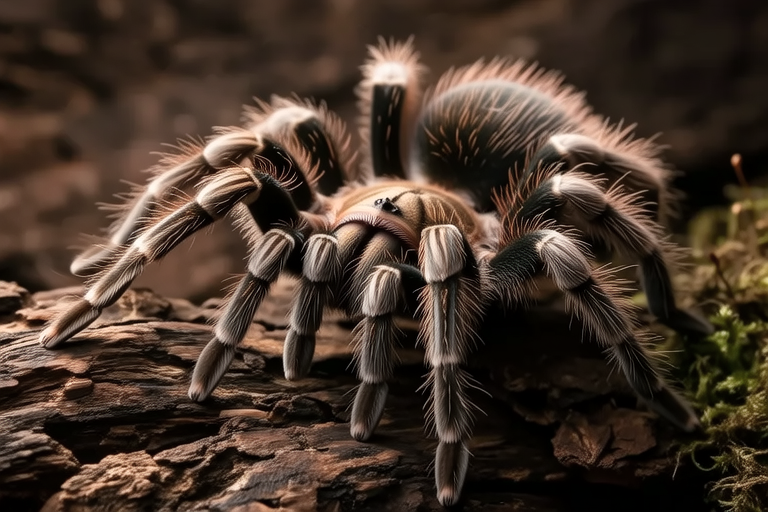
Unraveling the Mystique of Keeping Tarantulas as Pets
Tarantulas have long been shrouded in mystery and fear, often misunderstood by those unfamiliar with these intriguing arachnids. Contrary to popular belief, many species of tarantulas are docile, making them excellent pets for enthusiasts who appreciate unique and low-maintenance companions. This article aims to demystify tarantulas, offering valuable insights into their care, behavior, and the rewarding experience of keeping one as a pet.
Dispelling Myths About Tarantulas
One of the most pervasive myths about tarantulas is that they are highly dangerous. While it’s true that some species possess venom capable of causing pain or allergic reactions in humans, most species kept as pets are relatively harmless. Another misconception is that all tarantulas require elaborate setups and specialized diets, which is far from the truth. With the right knowledge and care, tarantulas can be a delightful addition to any home.
Species Suitable for Beginners
For those new to tarantula ownership, certain species are particularly well-suited as starter pets due to their docile nature and manageable care requirements. The Mexican redknee tarantula (Brachypelma smithi) is a popular choice among beginners. Originating from Mexico, this species thrives in warm, dry environments and is known for its striking appearance and calm demeanor. Other beginner-friendly options include the Chilean rose tarantula (Grammostola rosea) and the pinktoe tarantula (Avicularia avicularia).
Understanding the natural habitats of these species is crucial for providing optimal care. Mexican redknees, for example, inhabit rocky desert regions where temperatures range between 75°F and 85°F (24°C to 29°C), with humidity levels around 60%. In contrast, pinktoes come from tropical rainforests and require higher humidity, typically between 70% and 80%, along with temperatures ranging from 75°F to 85°F (24°C to 29°C).
Essential Equipment for Setting Up a Proper Habitat
Creating a suitable environment for your tarantula involves selecting appropriate equipment tailored to its specific needs. A glass terrarium with a secure lid is essential to prevent escapes while allowing for proper ventilation. Tank sizes vary depending on the species but generally range from 5 to 10 gallons for smaller species like the Chilean rose tarantula, increasing to larger tanks for more substantial species such as the Mexican redknee.
The substrate used within the tank plays a significant role in maintaining appropriate moisture levels and providing a natural burrowing medium. Coconut fiber or a mix of peat moss and vermiculite works well for most species, offering both humidity retention and ease of cleaning. For species requiring higher humidity, sphagnum moss can be added to increase moisture retention.
Temperature and humidity control are vital components of tarantula care. Heat lamps or under-tank heaters can maintain the necessary warmth, ensuring the ambient temperature stays within the desired range. Humidity can be regulated through misting systems or by incorporating water dishes filled with dechlorinated water. Regular monitoring with thermometers and hygrometers ensures that these conditions remain stable throughout the year.
Feeding and Handling Your Tarantula
Feeding tarantulas requires attention to detail, especially regarding the size and frequency of meals. Crickets and dubia roaches are common food sources, with the quantity varying based on the tarantula’s age and size. Younger tarantulas may eat once or twice weekly, whereas adults might only need to be fed every two weeks. It’s important to ensure that prey items are appropriately sized; oversized prey could pose a risk to the tarantula.
Handling tarantulas should be approached with caution and respect. Most species prefer minimal interaction, so it’s best to observe them from outside the enclosure rather than handling them directly. If you do choose to handle your tarantula, always support its body carefully and avoid sudden movements that might startle it.
Health Care and Behavior Understanding
Maintaining good health in your tarantula involves regular observations and prompt action if any signs of illness appear. Common issues include mites, dehydration, and poor molting practices. Regularly inspecting the enclosure for cleanliness and ensuring adequate nutrition helps prevent many health problems. If you notice any unusual behaviors or physical changes, consult a veterinarian specializing in exotic animals.
Understanding your tarantula’s behavior patterns is key to successful care. Tarantulas exhibit distinct behaviors during different stages of life, such as molting, hunting, and resting. Recognizing these phases allows you to provide the best possible environment for your pet. For instance, during molting, providing extra humidity and minimizing disturbance ensures a smooth process.
The Rewards of Owning a Tarantula
Owning a tarantula offers numerous benefits, including the opportunity to learn about these fascinating creatures firsthand. Watching your tarantula interact with its surroundings provides endless entertainment and educational value. Additionally, caring for a tarantula fosters responsibility and patience, qualities beneficial in many aspects of life.
Encouraging responsible ownership means recognizing the commitment required when taking on a tarantula as a pet. This includes providing proper housing, diet, and medical attention while respecting the animal’s natural instincts and preferences. By doing so, you ensure that both you and your tarantula enjoy a fulfilling relationship built on mutual respect and understanding.
