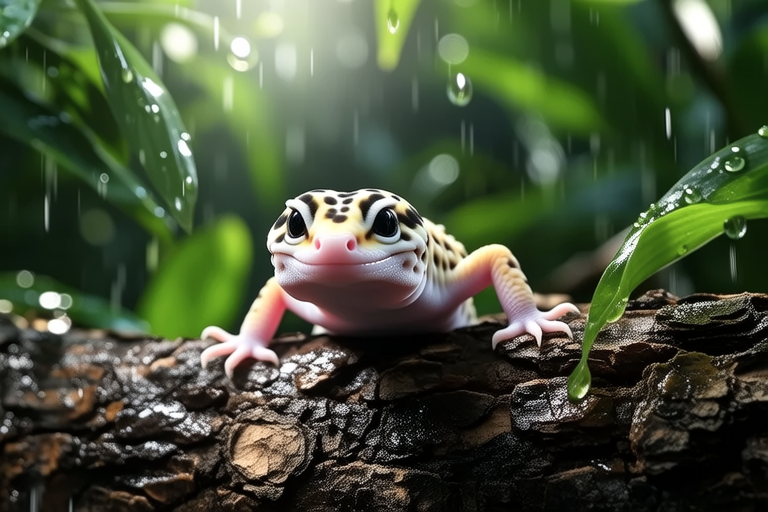
Top 10 Myths About Chameleons Debunked!
Chameleons have long captivated the imagination of people around the world with their unique appearance and mysterious behaviors. These fascinating reptiles are often surrounded by myths and misconceptions that have been passed down through generations. Understanding the truth behind these myths is crucial for appreciating chameleons’ true nature and ensuring their well-being in captivity. This article aims to debunk ten common myths about chameleons, providing scientific facts and insights to help you better understand these remarkable creatures.
Myth 1: Chameleons Change Color to Match Their Environment
The most enduring myth about chameleons is that they change color to blend into their surroundings. While it’s true that chameleons can alter their skin pigmentation, this behavior is primarily driven by mood, temperature, and communication rather than camouflage. Scientific studies have shown that chameleons change color through the manipulation of specialized cells called chromatophores, which expand or contract to reflect different wavelengths of light.
Myth 2: All Chameleons Are Green
Another widespread misconception is that all chameleons are green. In reality, chameleons come in a wide array of colors, including blues, reds, and yellows. The diversity of chameleon species ensures a spectrum of hues and patterns, making each species uniquely identifiable. Research has revealed that color variations are linked to factors like diet, habitat, and evolutionary adaptations.
Myth 3: Chameleons Can Shoot Their Tongues Out Like a Cannon
While it’s true that chameleons have exceptionally fast tongues, the idea that they can shoot them out like a cannon is an exaggeration. Chameleons use their sticky tongues to catch insects at great distances relative to their body size, but the tongue’s extension is limited by anatomical constraints. Studies have demonstrated that the tongue’s speed and reach are optimized for efficient hunting in their natural environments.
Myth 4: Chameleons Have Poor Vision
Contrary to popular belief, chameleons have excellent vision. They possess binocular vision, allowing them to focus both eyes on the same object simultaneously. This capability enhances depth perception, critical for catching prey from considerable distances. Research indicates that chameleons can rotate their eyes independently, giving them a nearly 360-degree field of view.
Myth 5: Chameleons Can Survive Without Water
This myth suggests that chameleons can obtain all necessary hydration from the food they eat. However, chameleons require regular access to water for optimal health. Studies have shown that dehydration can lead to severe health issues, including kidney failure and death. Providing a shallow water dish and misting the enclosure daily are essential practices for responsible chameleon care.
Myth 6: Chameleons Can Only Live in Tropical Climates
Although many chameleon species originate from tropical regions, some can adapt to cooler climates. The veiled chameleon, for instance, is known to thrive in areas with moderate temperatures. Research has shown that certain species can tolerate a wider range of environmental conditions than previously thought, provided their basic needs for humidity, temperature, and UVB lighting are met.
Myth 7: Chameleons Make Ideal Pets for Beginners
Chameleons are often marketed as beginner-friendly pets due to their unique appearance. However, they require specific care and attention that many new owners may not be prepared for. Chameleons need a specialized diet, appropriate enclosures, and precise environmental conditions. It’s important for potential owners to research extensively and prepare adequately before bringing a chameleon into their home.
Myth 8: Chameleons Can Regrow Lost Limbs
Unlike some other reptiles, chameleons cannot regrow lost limbs. If a chameleon loses a limb, it will not regenerate. Instead, the remaining stump will heal over time. Understanding the limitations of chameleon anatomy is crucial for providing proper care and preventing injuries.
Myth 9: Chameleons Are Social Creatures
Many people assume that chameleons enjoy interacting with humans or other chameleons. However, chameleons are solitary animals that prefer to live alone. Excessive handling can cause stress and anxiety. Studies have shown that chameleons communicate through color changes and body posture, and their interactions are generally limited to mating or territorial disputes.
Myth 10: Chameleons Can Live Forever in Captivity
Despite claims that chameleons can live indefinitely in captivity, they have a finite lifespan. On average, chameleons live between 5 to 10 years, depending on the species and quality of care. Ensuring a healthy diet, appropriate housing, and regular veterinary check-ups are key to maximizing their lifespan.
Conclusion: Responsible Chameleon Ownership
Understanding the truth behind these myths is the first step toward becoming a responsible chameleon owner. Chameleons are complex creatures with specific needs that must be met to ensure their well-being. If you’re considering adding a chameleon to your family, take the time to educate yourself about their requirements. Look for reputable breeders or rescue organizations, and consult experienced keepers or veterinarians for guidance. By doing so, you’ll contribute to the health and happiness of these incredible animals.
To learn more about chameleons, consider joining online forums, attending local reptile expos, or reading books written by experts in the field. Resources such as the International Chameleon Society offer valuable information and support for enthusiasts and owners alike.
