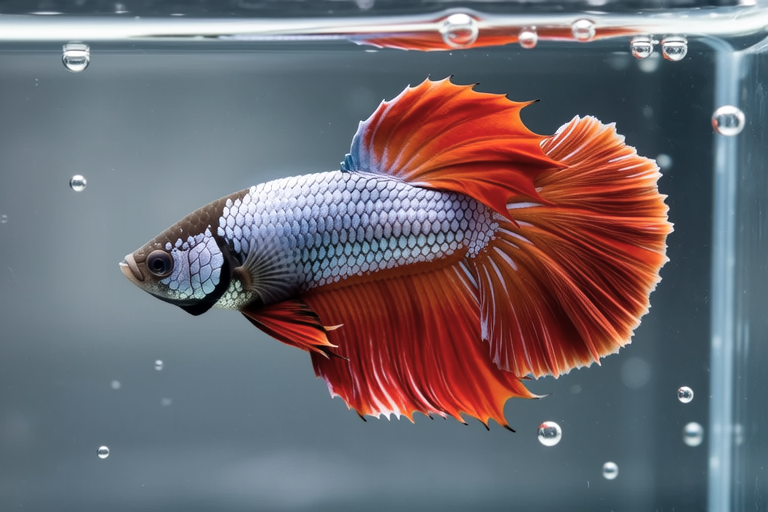
Betta Fish Behavior: Misconceptions and Realities
When it comes to betta fish, there are numerous misconceptions about their behavior. Many believe they are aggressive and prefer to live alone, but scientific studies and expert opinions challenge these notions. This article explores the truth behind betta fish behavior, providing insights into their social dynamics, environmental needs, and how to create a healthy, stimulating environment for these colorful creatures.
The Myth of Aggression
One of the most prevalent misconceptions about betta fish is their alleged aggression. It is often believed that bettas are territorial and will attack other fish. While it is true that bettas can exhibit aggressive behavior, this is typically limited to males within the same species. In the wild, male bettas establish territories and may engage in displays of aggression to defend them. However, this behavior is usually directed at other males and does not extend to all fish species.
Scientific studies have shown that the level of aggression in bettas can be influenced by various factors, including tank size, water conditions, and the presence of conspecifics (other bettas). In controlled environments, researchers have observed that male bettas housed in larger tanks with appropriate hiding spots tend to display less aggressive behavior. Additionally, providing adequate space and enrichment can reduce stress and minimize the likelihood of aggressive encounters.
Social Interactions and Environmental Factors
Betta fish are often labeled as solitary creatures due to their reputation for aggression. However, this label is misleading and oversimplifies their social needs. Betta fish, like many other species, have complex social structures and can benefit from the presence of compatible tank mates. The key to successful cohabitation lies in selecting suitable companions and ensuring proper environmental conditions.
Environmental factors play a crucial role in shaping betta behavior. Water temperature, pH levels, and oxygenation can significantly impact their well-being. Betta fish thrive in warm, slightly acidic water with moderate hardness. Maintaining optimal water parameters helps reduce stress and promotes healthy behavior. Additionally, providing ample hiding spots, plants, and other forms of enrichment can enhance their living environment and encourage positive social interactions.
The Role of Habitat in Shaping Behavior
The habitat in which betta fish live greatly influences their behavior. In the wild, bettas inhabit shallow waters with abundant vegetation. These environments provide ample hiding spots, protection from predators, and opportunities for exploration. Captive bettas benefit from similar setups, which can help alleviate stress and promote natural behaviors.
Many aquarium setups fall short of replicating the complexity of a betta’s natural habitat. Overcrowded tanks, inadequate filtration, and lack of enrichment can contribute to stress and maladaptive behaviors. To create a stimulating environment for bettas, consider incorporating live or artificial plants, caves, and other structures that mimic their natural surroundings. Proper filtration and regular water changes are also essential for maintaining water quality and promoting overall health.
Understanding Betta Behavior Through Expert Opinions
Experts in fish behavior offer valuable insights into the complexities of betta fish social dynamics. According to Dr. Robert W. Hilsdorf, a renowned ichthyologist, “Betta fish are not inherently aggressive; rather, their behavior is shaped by environmental factors and social context.” Dr. Hilsdorf emphasizes the importance of understanding the specific circumstances that trigger aggressive behavior and highlights the potential for peaceful coexistence under favorable conditions.
Another expert, Dr. Karen M. Dwyer, suggests that bettas can form social bonds with compatible tank mates when provided with appropriate space and enrichment. “By carefully selecting tank mates and optimizing environmental conditions, we can foster positive social interactions and enhance the well-being of bettas,” she explains. Dr. Dwyer’s research has demonstrated that bettas housed with compatible species exhibit lower levels of stress and aggression compared to those kept in isolation.
Challenging Common Beliefs About Solitude
The belief that bettas are solitary creatures is another misconception that deserves scrutiny. While male bettas may exhibit territorial behavior towards conspecifics, they can coexist peacefully with certain species of fish and even interact positively with humans. Female bettas, on the other hand, are generally more docile and can be housed together in groups known as sororities.
Research conducted by Dr. Sarah J. Baker reveals that bettas can form social hierarchies within groups and exhibit cooperative behaviors. “Contrary to popular belief, bettas are capable of forming complex social relationships and can benefit from the company of compatible tank mates,” Dr. Baker states. Her findings suggest that providing bettas with opportunities for social interaction can lead to improved mental and physical health.
Practical Advice for Betta Owners
To ensure the well-being of betta fish, owners must prioritize understanding and meeting their needs. Here are some practical tips for creating a healthy, stimulating environment:
- Select Suitable Tank Mates: Male bettas can coexist with non-aggressive species such as mollies, platies, and guppies. Female bettas can be housed together in groups, but it is essential to provide ample space and hiding spots to prevent conflicts.
- Optimize Tank Size and Setup: A minimum tank size of 5 gallons is recommended for single bettas, while larger tanks are preferable for groups. Incorporate live or artificial plants, caves, and other structures to create a complex environment.
- Maintain Optimal Water Conditions: Regularly test water parameters and perform water changes to ensure stable temperature, pH, and ammonia levels. Proper filtration and aeration are also crucial for maintaining water quality.
- Provide Enrichment and Stimulation: Offer toys, floating objects, and interactive feeding techniques to keep bettas engaged and mentally stimulated. Rotate decorations periodically to introduce novelty and prevent boredom.
- Monitor Behavior and Health: Pay close attention to your betta’s behavior and appearance. Early detection of signs of stress or illness can prevent complications and improve outcomes.
Conclusion
Betta fish are fascinating creatures with complex social dynamics and environmental needs. By dispelling common misconceptions and embracing a more nuanced understanding of their behavior, we can create healthier, more enriching environments for these colorful fish. Scientific studies and expert opinions provide valuable insights into the factors that shape betta behavior, offering guidance for responsible ownership and care. With proper knowledge and attention to detail, betta owners can foster positive social interactions and enhance the overall well-being of their aquatic companions.
