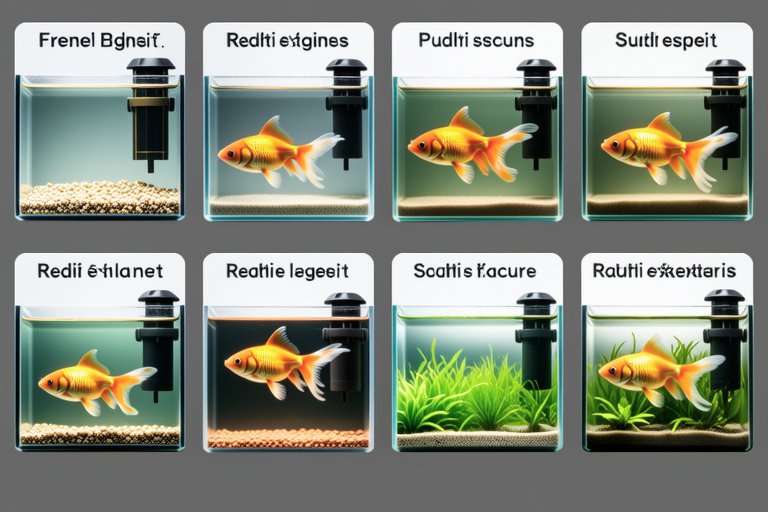
Top 10 Mistakes People Make When Keeping Goldfish
Goldfish are one of the most popular choices for aquarium enthusiasts due to their vibrant colors and relatively low maintenance requirements. However, many people make common mistakes when caring for these delightful creatures that can lead to poor health or even death. This article aims to highlight the top ten mistakes people make when keeping goldfish, offering practical advice to ensure your goldfish live long, healthy lives.
1. Underestimating Tank Size
One of the most frequent mistakes made by goldfish owners is providing them with an inadequate tank size. Many beginners assume that goldfish will be fine in small tanks, but this is far from true. Goldfish grow quickly and can reach sizes of up to 12 inches (30 cm) in length. They also produce a significant amount of waste, which can quickly pollute the water if the tank is too small.
Advice: A good rule of thumb is to provide at least 20 gallons (75 liters) of water per goldfish. Larger tanks help maintain better water quality and give your fish more space to swim and explore. Additionally, consider getting a tank with a longer shape rather than a tall one, as it provides more swimming area for your fish.
2. Poor Water Quality Maintenance
Maintaining clean water is crucial for the health of your goldfish. Poor water quality can cause stress, disease, and even death. Many novice aquarists fail to understand the importance of regular water changes and filtration.
Advice: Invest in a high-quality filter that matches the size of your tank. Filters help remove harmful substances like ammonia, nitrite, and nitrate from the water. Perform weekly partial water changes, replacing about 25% of the water each time. Always treat tap water before adding it to the tank to remove chlorine and chloramines.
3. Overfeeding
Overfeeding is another common mistake that can lead to serious health issues for your goldfish. Excess food not only contributes to poor water quality but can also cause digestive problems and obesity in your fish.
Advice: Feed your goldfish small portions of food that they can consume within two minutes. Remove any uneaten food after feeding to prevent it from decomposing in the tank. Stick to a varied diet that includes high-quality flakes, pellets, and occasional treats like frozen brine shrimp or bloodworms.
4. Ignoring Temperature Fluctuations
Goldfish are coldwater fish, meaning they prefer cooler temperatures ranging between 68°F and 74°F (20°C and 23°C). However, sudden temperature changes can shock their systems and weaken their immune defenses, making them more susceptible to diseases.
Advice: Keep your tank away from direct sunlight and heat sources to avoid extreme temperature fluctuations. If you need to adjust the temperature, do so gradually over several hours to minimize stress on your fish.
5. Choosing Unsuitable Tank Mates
Many people mistakenly believe that goldfish can live harmoniously with other species. While some fish may seem compatible at first glance, they often have different environmental needs or aggressive behaviors that can harm goldfish.
Advice: It’s best to keep goldfish with their own kind or similar species that thrive in similar conditions. If you want to add more fish to your tank, research thoroughly to ensure compatibility based on water parameters, temperament, and dietary requirements.
6. Not Providing Enough Hiding Places
Goldfish appreciate having places to hide and feel secure. Without adequate hiding spots, they may become stressed and develop behavioral issues.
Advice: Incorporate plenty of plants, caves, and other decorations into your tank setup. Live plants not only offer hiding spaces but also help improve water quality through oxygenation and nutrient absorption. Ensure that all decorations are safe for fish and won’t cause injury.
7. Neglecting Regular Health Checks
Regular health checks are essential for early detection of potential problems. Many owners wait until symptoms become severe before taking action, which can sometimes be too late.
Advice: Monitor your goldfish daily for signs of illness such as lethargy, abnormal swimming patterns, loss of appetite, or physical deformities. Perform routine water tests to check for harmful levels of ammonia, nitrite, and nitrate. Establish a relationship with a local veterinarian who specializes in exotic pets for professional advice when needed.
8. Incorrect Lighting Schedules
While goldfish don’t require special lighting conditions, improper lighting schedules can disrupt their natural circadian rhythms and cause stress.
Advice: Provide consistent lighting periods of around 8 to 12 hours per day. Use a timer to automate this process, ensuring that both day and night cycles remain predictable. Avoid placing your tank near windows where sunlight might enter directly, as this could lead to excessive algae growth.
9. Failing to Decorate Appropriately
A well-decorated tank not only enhances aesthetics but also provides enrichment for your goldfish. Boredom can contribute to stress and unhealthy behaviors.
Advice: Add various types of decor items such as driftwood, rocks, and artificial plants to create interesting environments. Rotate these decorations periodically to keep things fresh and stimulating for your fish. Be mindful of sharp edges or small parts that could potentially injure your pets.
10. Lack of Patience During Setup
Setting up a new aquarium requires patience and attention to detail. Rushing through the initial setup phase can result in unstable water conditions that negatively impact newly introduced fish.
Advice: Allow at least 2-4 weeks for your tank to cycle properly before adding any fish. During this period, monitor ammonia and nitrite levels closely. Once the tank has cycled successfully, introduce your goldfish gradually, starting with just one or two individuals to allow them to acclimate slowly.
Conclusion
By avoiding these common pitfalls and following the provided guidelines, you’ll be well on your way to becoming a successful goldfish keeper. Remember, proper care involves ongoing commitment and learning; stay informed about advancements in aquatic husbandry techniques and always prioritize the welfare of your beloved pets. Happy fishkeeping!
