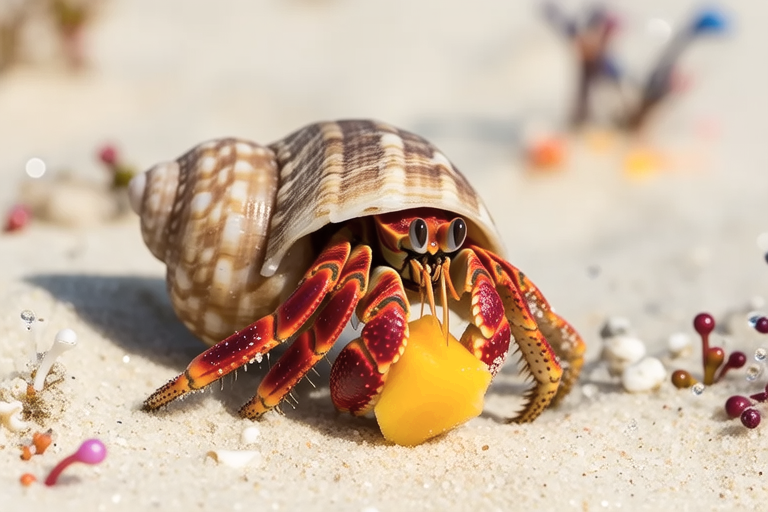
From Shell to Sweetness: A Journey into Hermit Crab Diets
Welcome to the fascinating world of hermit crabs! These unique creatures are not just charming pets but also intriguing subjects for those interested in marine biology. Hermit crabs, belonging to the superfamily Paguroidea, have captured the hearts of many due to their quirky habit of living inside discarded shells. While they may seem like simple creatures, their dietary requirements are quite complex, reflecting their adaptability to diverse environments.
The Natural Diet of Hermit Crabs in the Wild
In their natural habitat, hermit crabs enjoy a varied diet that includes algae, decomposing organic matter, and small marine animals. Algae serve as a primary food source, providing essential nutrients and vitamins. They can be found attached to rocks, seaweed, and other surfaces in coastal areas. Decomposing organic matter, such as dead fish or plant material, offers a rich source of proteins and minerals. Additionally, hermit crabs occasionally feast on small marine organisms like tiny crustaceans, mollusks, and even plankton.
This diverse diet ensures that hermit crabs receive a comprehensive array of nutrients necessary for their survival. It’s important to note that while they are omnivores, their diet in the wild is highly opportunistic, meaning they will eat whatever is available to them.
Dietary Needs in Captivity
When it comes to keeping hermit crabs as pets, understanding their dietary needs is crucial for their well-being. In captivity, hermit crabs require a balanced diet to thrive. This means offering a mix of proteins, vegetables, fruits, and calcium sources. Protein-rich foods include small pieces of cooked chicken, beef, or fish, which can be finely chopped or shredded. Vegetables and fruits provide essential vitamins and minerals. Good choices include carrots, sweet potatoes, apples, and bananas. Calcium is vital for maintaining strong exoskeletons, so providing calcium-rich foods like crushed eggshells or cuttlebone is beneficial.
It’s important to ensure that all foods offered are fresh and free from pesticides or additives. Additionally, hermit crabs need access to clean, fresh water for hydration. Providing a shallow dish of dechlorinated water is recommended.
Preparing and Offering Foods Safely
When preparing food for your hermit crabs, it’s essential to follow some basic guidelines to ensure their safety. Start by washing all produce thoroughly to remove any dirt or chemicals. For meat-based proteins, cook the food until it is soft enough for the crabs to nibble on easily. Avoid feeding them raw meat, as this can harbor harmful bacteria. Once prepared, place the food in a shallow dish within the enclosure. Ensure that the dish is easy for the crabs to reach but not so large that it becomes a drowning hazard.
Rotating the types of food you offer can prevent boredom and ensure a varied diet. It’s also wise to remove uneaten food after a day to maintain hygiene in the enclosure.
Common Misconceptions About Hermit Crab Diets
One common misconception is that hermit crabs can survive solely on dry commercial food. While commercial hermit crab food can be part of their diet, it should not be the sole source of nutrition. Another myth is that hermit crabs can eat anything they find in their environment. While they are opportunistic feeders, certain foods can be harmful if ingested, such as avocado, chocolate, and citrus fruits. Avocado contains persin, which is toxic to many animals, including hermit crabs. Citrus fruits are acidic and can irritate their digestive systems.
Avoid feeding hermit crabs processed foods or foods high in sugar, salt, or fat. These can lead to health issues and shorten their lifespan.
The Impact of Proper Nutrition
Proper nutrition plays a significant role in the health, longevity, and even shell selection of hermit crabs. A well-balanced diet helps maintain their overall vitality, supporting growth and development. Nutrient-rich foods contribute to the formation of a strong exoskeleton, which is essential for protection against predators and environmental stressors.
Well-fed hermit crabs are more likely to select suitable shells for molting, ensuring that their new exoskeleton fits perfectly. Proper nutrition also enhances their immune system, making them less susceptible to diseases. By providing a varied and nutritious diet, hermit crab owners can significantly improve the quality of life for their pets.
Conclusion: Responsible Care for Hermit Crabs
In conclusion, understanding and meeting the dietary needs of hermit crabs is key to their health and happiness. By offering a balanced diet that includes proteins, vegetables, fruits, and calcium sources, pet owners can ensure their hermit crabs live long, healthy lives. Avoiding harmful foods and preparing meals safely will further enhance their well-being. With the right care and attention, hermit crabs can thrive in captivity, bringing joy and fascination to their owners.
We encourage all hermit crab owners to take responsibility for their pets’ nutrition, ensuring that each meal contributes to a lifetime of sweetness and health.
