Top 10 Stunning Koi Varieties You Need to See
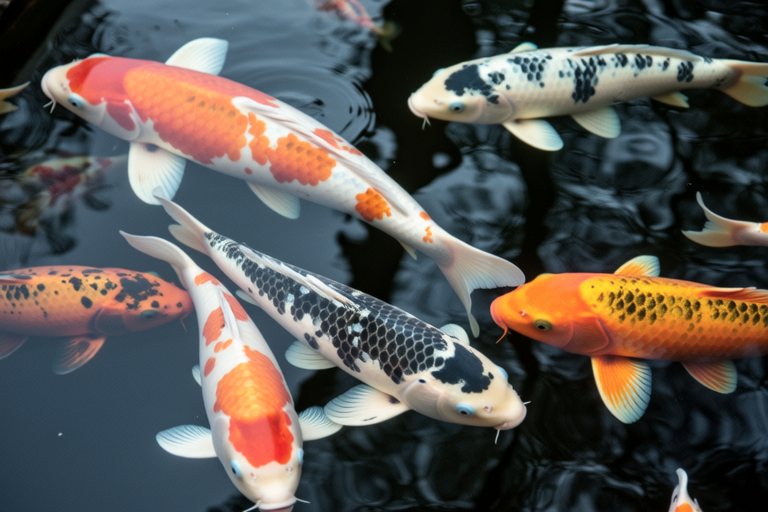
Koi fish, known for their vibrant colors and graceful movements, have captivated the hearts of aquarium enthusiasts around the world. Originating from Japan, these ornamental carp have become symbols of beauty, tranquility, and good fortune. In Japanese culture, koi ponds are often found in traditional gardens, where they represent prosperity and perseverance. The care and admiration of koi fish have transcended cultural boundaries, making them a popular choice for water gardeners everywhere. From serene backyards to grand public displays, koi fish bring life and color to any setting. This article will explore the top 10 stunning koi varieties, providing detailed descriptions of their unique characteristics and offering valuable tips for maintaining a healthy koi pond environment.
1. Kohaku: The Classic White and Red Combination
The Kohaku is perhaps the most iconic koi variety, recognized by its striking white and red pattern. The red markings, known as “hi,” should be bright and vivid, contrasting beautifully against the pure white background. Ideal Kohaku specimens feature symmetrical hi that covers at least half of their body, with clear edges separating the two colors. This classic combination symbolizes good luck and happiness in Japanese culture. The Kohaku’s elegant appearance makes it a favorite among koi enthusiasts, whether they are beginners or seasoned collectors.
2. Showa Sanshoku: A Majestic Blend of Three Colors
Showa Sanshoku koi are distinguished by their intricate blend of black, white, and red. The black (sumi) forms the base of their pattern, while the white and red are distributed symmetrically across their body. Showa Sanshoku koi are admired for their bold and dynamic appearance, which can vary greatly between individuals. Some show a more balanced distribution of colors, while others may display a dominant sumi pattern with splashes of white and red. This variety is named after Emperor Hirohito’s reign, reflecting its regal presence in koi ponds.
3. Sanke: The Elegant Three-Color Koi
Sanke koi are closely related to Showa Sanshoku, but they differ in their color distribution. Sanke koi have a predominantly white background, with sumi and hi patterns that are clearly separated. The ideal Sanke specimen has a balanced distribution of all three colors, with sumi covering less than half of its body. The red markings should be vivid and well-defined, adding to the koi’s elegant appearance. Sanke koi are highly sought after for their refined beauty and are considered one of the most prestigious koi varieties.
4. Taisho Sanshoku: The Colorful Rainbow Koi
Taisho Sanshoku, also known as Sanke, are famous for their vibrant and unpredictable patterns. These koi have a white base with sumi and hi markings that create a kaleidoscope of colors. Unlike Sanke and Showa Sanshoku, Taisho Sanshoku patterns are less structured, allowing for a wide range of unique and eye-catching designs. Their name comes from the era of Emperor Taisho, who reigned during the early 20th century. This variety is celebrated for its playful and whimsical appearance, making it a favorite among koi enthusiasts.
5. Utsurimono: The Black and White Masterpiece
Utsurimono koi are characterized by their dramatic black and white patterns. There are several sub-varieties within this category, including black and white (Hi Utsuri), red and black (Shiro Utsuri), and yellow and black (Ki Utsuri). Each sub-variety features a unique combination of colors, with the sumi pattern forming the base and the contrasting color covering the rest of the body. Utsurimono koi are known for their striking contrast and elegant simplicity, making them a popular choice for koi ponds.
6. Bekko: The Bold White and Black Combination
Bekko koi are distinguished by their solid white, red, or yellow background with sumi markings. The sumi patterns can vary widely, from small spots to larger patches, creating a diverse range of appearances. Bekko koi are admired for their bold and distinctive look, with the sumi patterns adding depth and interest to their overall appearance. The white Bekko, in particular, is highly valued for its clean and striking contrast.
7. Goshiki: The Five-Colored Wonder
Goshiki koi are named after the five colors they typically display: white, red, black, blue, and yellow. However, the most prominent colors are usually black and red, with hints of other shades visible in certain lighting conditions. Goshiki koi are known for their subtle and intricate patterns, which can change slightly depending on the angle and light. Their name, meaning “five colors” in Japanese, reflects the complexity and beauty of these remarkable fish.
8. Asagi: The Sky and Water Pattern
Asagi koi are easily recognizable by their distinctive blue scales on the upper part of their body and red or orange scales on the lower part. This color combination is reminiscent of the sky and water, giving rise to their name. Asagi koi are admired for their unique and natural appearance, with variations in color intensity and pattern making each individual special. They are often seen as a symbol of tranquility and harmony, fitting perfectly into serene koi ponds.
9. Tancho: The Sacred Red Spot
Tancho koi are prized for their distinctive red spot located on the top of their head, resembling the national emblem of Japan. This red spot, known as “tancho,” is the only marking on their otherwise white body. Tancho koi are highly valued for their rarity and symbolism, representing good fortune and longevity. Their elegant appearance makes them a favorite among koi enthusiasts, especially those interested in traditional Japanese aesthetics.
10. Hikari Muji: The Shimmering Beauty
Hikari Muji koi are known for their shimmering metallic scales, which can appear in various colors such as platinum, gold, or blue. These fish lack distinct patterns, instead relying on their iridescent scales to create a captivating visual effect. Hikari Muji koi are admired for their sleek and modern appearance, making them a popular choice for contemporary koi ponds. Their unique beauty adds a touch of elegance to any aquatic display.
Maintaining a Healthy Koi Pond Environment
Creating and maintaining a healthy koi pond environment is essential for ensuring the well-being of your fish. Here are some valuable tips for keeping your koi happy and thriving:
- Proper Filtration: Invest in a high-quality filtration system to keep the water clean and free from harmful bacteria and debris.
- Regular Water Testing: Test the water regularly for pH levels, ammonia, nitrite, and nitrate concentrations to ensure optimal water quality.
- Adequate Oxygenation: Use air pumps and waterfalls to increase oxygen levels in the pond, especially during hot weather.
- Feeding: Feed your koi a balanced diet of pellets, flakes, and occasional treats like vegetables or live food. Avoid overfeeding, as excess food can pollute the water.
- Temperature Control: Maintain a stable water temperature, avoiding sudden changes that could stress your koi.
- Protection from Predators: Install barriers and netting to protect your koi from predators such as birds, raccoons, and other animals.
By following these guidelines, you can create a thriving environment for your koi, ensuring they remain healthy and vibrant for years to come. Whether you’re a novice or an experienced koi enthusiast, taking care of your pond and its inhabitants will reward you with a beautiful and peaceful aquatic display.
