Pet Owner’s Guide to Handling the Unique Challenges of Heterometrus Spinifer
Welcome to the comprehensive guide for pet owners who are interested in or currently keeping the Heterometrus spinifer, commonly known as the Asian forest scorpion. This guide will cover everything from the specific care requirements and habitat setup to dietary needs, health issues, behavioral traits, and safety precautions for both the pet and its owner. Whether you’re a seasoned scorpion keeper or a first-time owner, this information will help you understand the unique challenges and joys of owning a Heterometrus spinifer.
Introduction to Heterometrus Spinifer
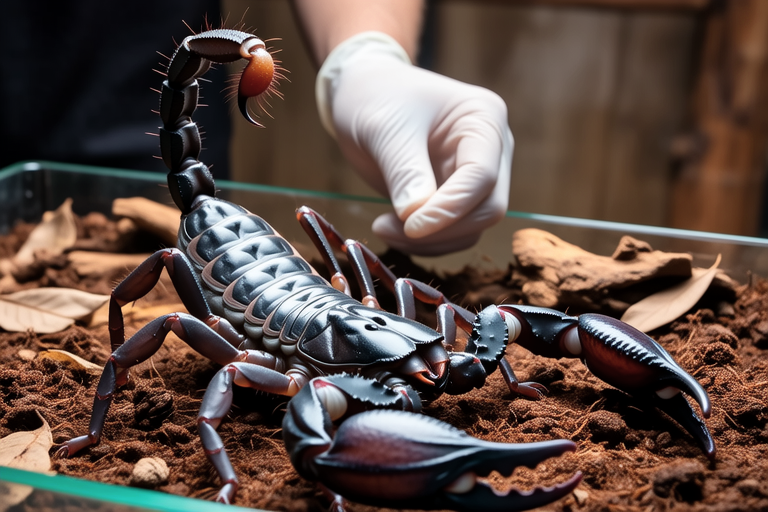
The Heterometrus spinifer is a fascinating species of scorpion native to Southeast Asia. These scorpions are medium-sized, reaching lengths of about 6 inches (15 cm). They have a distinct appearance with their dark brown exoskeleton and long, segmented tail tipped with a stinger. Known for their relatively docile nature, they are popular among enthusiasts who appreciate the balance between manageable size and impressive looks.
Care Requirements
Habitat Setup
Creating the right environment for your Heterometrus spinifer is crucial for its well-being. A terrarium that mimics their natural habitat is ideal. The enclosure should be spacious enough to allow for movement, typically at least 10 gallons for a single adult. Use a substrate such as coconut fiber or bark chips to provide a natural feel and good moisture retention. Ensure there are hiding spots like cork bark or half logs for them to retreat into, as these scorpions prefer a secure environment.
Dietary Needs
Feeding your Heterometrus spinifer a balanced diet is essential. Their primary food source should be live insects, such as crickets, dubia roaches, and mealworms. Offer prey items that are no larger than half the width of the scorpion’s body to prevent choking hazards. Feed juveniles every few days, while adults can be fed once a week. Ensure the insects are gut-loaded with nutritious food before being offered to your scorpion to enhance nutritional value.
Health Issues
Like any pet, Heterometrus spinifers are prone to certain health issues. Common problems include dehydration, mite infestations, and infections. Regularly check for signs of distress, such as lethargy, loss of appetite, or changes in behavior. Maintain humidity levels between 70-80% and provide a shallow water dish to prevent dehydration. Quarantine new acquisitions and monitor them closely for any signs of illness.
Behavioral Traits
Heterometrus spinifers are generally docile and calm, making them suitable for beginners. However, they can be defensive if provoked or threatened. It’s important to handle them with care and respect their space. Avoid sudden movements and always use gloves when handling to protect yourself from potential stings.
Safety Precautions for Owners
Handling your Heterometrus spinifer requires caution. While their venom is not considered dangerous to humans, it can cause localized pain and swelling. Always wash your hands after handling and keep the enclosure away from children and pets. Ensure proper ventilation and temperature control to maintain a safe and healthy environment.
Maintaining a Healthy Environment
To ensure your Heterometrus spinifer thrives, focus on creating a stable and enriching environment. Keep the temperature within the range of 75-85°F (24-29°C) and use a heat lamp or under-tank heater if necessary. Regularly clean the enclosure to remove waste and prevent odors. Provide a variety of substrates and decorations to stimulate natural behaviors and reduce stress.
Conclusion
Owning a Heterometrus spinifer is a rewarding experience, but it comes with significant responsibilities. By understanding their specific care requirements, setting up a suitable habitat, providing a balanced diet, monitoring their health, and taking necessary safety precautions, you can ensure your scorpion leads a happy and healthy life. Remember, the bond between you and your pet grows stronger with consistent care and attention.
