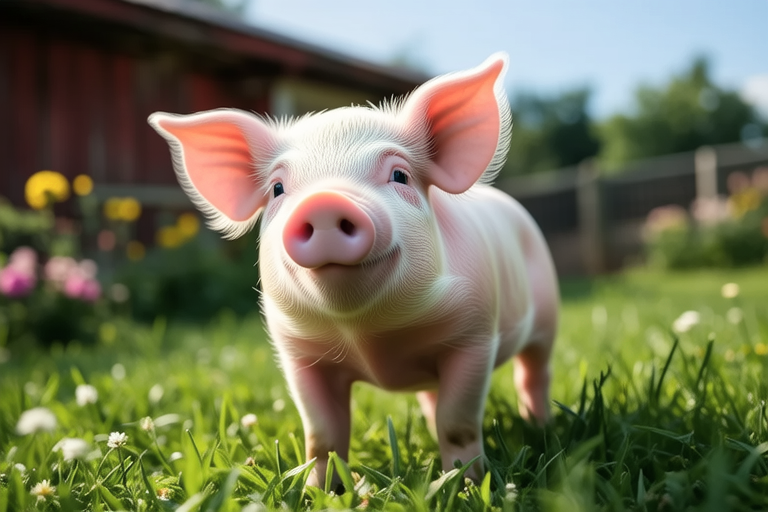
The Curious Case of Mini Pigs: Debunking Myths and Misconceptions
Mini pigs have become increasingly popular as pets in recent years. Their small size, endearing faces, and playful nature make them appealing candidates for households looking for a unique companion. However, many misconceptions surround these animals, leading to misunderstandings about their care and suitability as pets. This article aims to shed light on the truth behind some of the most common myths about mini pigs, providing valuable information for potential owners and animal enthusiasts alike.
Growing Popularity of Mini Pigs
The surge in mini pig popularity can be attributed to several factors. Firstly, their compact size makes them ideal for urban living, where space might be limited. Secondly, social media has played a significant role in showcasing their adorable personalities, often depicted in viral videos and posts. Despite this growing trend, it’s crucial to understand the realities of owning a mini pig to ensure they receive the care they need and deserve.
Debunking Myths About Size
One of the most pervasive myths about mini pigs is that they remain tiny throughout their lives. While it’s true that mini pigs are smaller than standard breeds, they still grow to a considerable size. Mini pigs can weigh between 50 to 70 pounds (23 to 32 kg), and some even reach up to 150 pounds (68 kg). It’s essential to recognize that what we consider ‘mini’ in comparison to regular pigs is relative. Therefore, prospective owners must prepare for the physical space and resources needed to accommodate a pig of substantial size.
Lifespan and Health Considerations
Another misconception revolves around the lifespan of mini pigs. Many people assume that because of their smaller size, they live shorter lives. In reality, mini pigs have an average lifespan of 12 to 18 years. Proper care, including a balanced diet and regular veterinary check-ups, significantly impacts their longevity. Regular health screenings help detect potential issues early, ensuring a healthier life for your pet.
Dietary Needs
Contrary to popular belief, feeding mini pigs a diet rich in fruits and vegetables isn’t always beneficial. While these foods can be part of a balanced diet, overfeeding sugary or starchy treats can lead to obesity and related health problems. A healthy diet for a mini pig includes high-quality commercial pig pellets, supplemented with hay, vegetables, and limited fruits. Avoiding processed human food and maintaining a consistent feeding schedule are key to preventing weight-related issues.
Proper Care and Training
Owning a mini pig requires commitment to their care and well-being. Housing should provide ample space for movement and comfort, with access to fresh water and a clean sleeping area. Mini pigs are intelligent and social animals, so mental stimulation through toys and interaction is vital. Training mini pigs can be rewarding but requires patience and consistency. Positive reinforcement techniques, such as treats and praise, work best when teaching commands and good behavior.
Responsibilities of Ownership
Besides the day-to-day care, owning a mini pig comes with additional responsibilities. Ensuring their environment remains safe and stimulating is paramount. Regular exercise helps maintain their physical and mental health. Furthermore, being aware of local regulations regarding exotic pets is crucial to avoid legal complications. Researching breeders and understanding the pig’s background before adopting is also important to ensure you’re bringing home a healthy and well-socialized animal.
The Unique Companion
Despite the challenges, mini pigs can be incredibly rewarding companions. Their intelligence and emotional depth make them fascinating pets. They form strong bonds with their owners, showing affection and loyalty. Recognizing the unique qualities of mini pigs and understanding the commitment involved in their care ensures a fulfilling relationship for both the owner and the pig.
In conclusion, while mini pigs offer a unique and delightful addition to a household, it’s crucial to approach their ownership with knowledge and preparation. By dispelling common myths and addressing misconceptions, this guide aims to equip potential owners with the necessary information to make informed decisions. Remember, adopting a mini pig is a long-term commitment that requires dedication, love, and understanding. With proper care and attention, these curious creatures can bring joy and companionship for many years to come.
