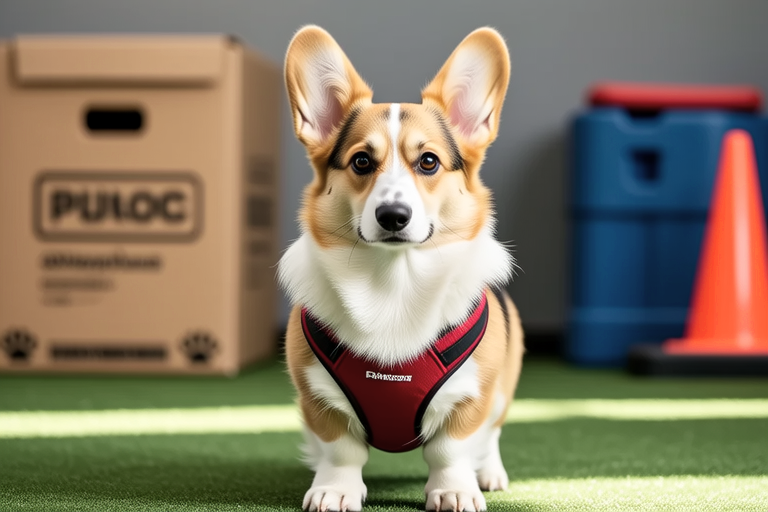
The Ultimate Guide to Training Your Corgi: Tips from Experts
Welcome to the world of Pembroke Welsh Corgis! These charming, intelligent dogs are known for their loyalty, playfulness, and unique physical characteristics. Training your Corgi can be an enriching experience that strengthens your bond with your furry friend. This comprehensive guide, packed with expert advice, will help you navigate through the essential aspects of training your Corgi, ensuring a well-behaved, happy, and healthy companion.
Basic Obedience Training
Starting your Corgi’s training journey with basic obedience commands is crucial. Commands like ‘sit,’ ‘stay,’ ‘come,’ and ‘heel’ form the foundation of your dog’s behavior. Positive reinforcement, which includes praise, treats, and affection, is highly effective in teaching these commands. For instance, when your Corgi sits on command, immediately reward them with a treat and enthusiastic praise. This positive feedback reinforces the desired behavior.
Consistency is key in training. Use the same command words every time and maintain a calm, patient demeanor. Avoid shouting or punishing your Corgi, as this can create fear and resistance. Instead, focus on making training sessions enjoyable and short, around 10-15 minutes per session, to keep your Corgi engaged and eager to learn.
Expert Tip: Incorporate games into your training sessions. For example, use a clicker and treats to teach ‘fetch.’ Click the moment your Corgi picks up the toy and reward them when they bring it back. This not only teaches a new skill but also strengthens your bond.
Housebreaking Techniques
Housebreaking your Corgi requires patience and a structured routine. Establish a clear schedule for feeding and bathroom breaks. Take your Corgi outside first thing in the morning, after meals, and before bedtime. Praise and reward them each time they go potty outside. If accidents happen indoors, simply clean up without showing frustration, as scolding may confuse or stress your Corgi.
Using a crate can aid in housebreaking. Corgis naturally dislike soiling their sleeping area, so confining them to a crate when you’re unable to supervise helps prevent accidents. Ensure the crate is comfortable, with enough space for your Corgi to stand, turn around, and lie down, but not too large to allow for potty space.
Expert Tip: Introduce your Corgi to a specific spot in the yard for bathroom breaks. Once they consistently use this spot, take them there first whenever they need to go out. This consistency helps your Corgi understand where they should relieve themselves.
Socialization Methods
Socializing your Corgi from an early age is vital for their emotional development and ability to interact positively with other dogs and people. Expose your Corgi to various environments, sounds, and experiences while they’re young. This exposure helps them become confident and adaptable adults.
Begin by introducing your Corgi to friends and family members. Encourage gentle petting and play, praising your Corgi for calm and friendly behavior. Gradually introduce them to more challenging situations, such as crowded parks or busy streets, always ensuring their safety and comfort.
Expert Tip: Consider enrolling your Corgi in puppy classes. These classes provide controlled environments where your Corgi can safely interact with other puppies and learn important social skills under the guidance of a professional trainer.
Exercise Needs
Corgis are energetic dogs that require regular exercise to maintain their physical and mental health. Despite their small size, they have high energy levels and need about 60-90 minutes of daily exercise. Incorporate a mix of activities to keep your Corgi stimulated and engaged.
Long walks, brisk jogs, and playtime in a secure area are excellent ways to meet your Corgi’s exercise needs. Interactive toys, such as puzzle feeders or fetch games, can also provide mental stimulation. Remember, exercise isn’t just about physical fitness; it also helps reduce anxiety and promotes better behavior.
Expert Tip: Consider agility training as a fun and challenging way to exercise your Corgi. Agility courses include obstacles like jumps, tunnels, and weave poles, providing both physical and mental challenges that Corgis excel at. Not only does this activity burn off excess energy, but it also enhances your Corgi’s coordination and confidence.
Common Behavioral Issues and Solutions
Like any breed, Corgis can exhibit certain behavioral issues. Understanding these behaviors and addressing them promptly can help you maintain a harmonious relationship with your Corgi.
Barking
Barking is a natural behavior for dogs, but excessive barking can be disruptive. Identify the triggers for your Corgi’s barking, whether it’s boredom, separation anxiety, or territorial instincts. Address the root cause by providing appropriate outlets for their energy and addressing underlying anxieties.
Expert Tip: Teach your Corgi the ‘quiet’ command. When they bark, wait until they stop and then say ‘quiet,’ followed by a treat and praise. Consistently reinforce this command during training sessions and in real-life situations.
Chewing
Chewing is another common issue, especially for younger Corgis. Provide plenty of appropriate chew toys and rotate them regularly to keep your Corgi interested. Supervise your Corgi during playtime and redirect them if they start chewing on inappropriate items.
Expert Tip: Use bitter-tasting deterrents on household items to discourage chewing. However, never leave your Corgi unattended with deterrents, as they can ingest them.
Anxiety
Separation anxiety is prevalent in Corgis, often manifesting as destructive behavior or excessive vocalization when left alone. Gradually increase the time your Corgi spends alone, starting with short periods and gradually extending the duration. Consider leaving a favorite toy or blanket with a comforting scent to provide reassurance.
Expert Tip: Desensitize your Corgi to your departure by practicing short absences. Put on your shoes, pick up your keys, and leave the room for a few seconds before returning. Gradually increase the time away, rewarding your Corgi for calm behavior during your absence.
Fun Tricks to Teach
Teaching your Corgi fun tricks is a great way to engage them mentally and physically. Tricks not only entertain but also strengthen the bond between you and your Corgi. Here are some easy and enjoyable tricks to get you started:
- High Five: Hold a treat above your Corgi’s head, prompting them to lift their paw. As soon as they touch your hand, give them the treat and praise. Repeat several times, gradually phasing out the treat as they master the trick.
- Spin: Stand facing your Corgi and hold a treat close to their nose. Move the treat in a circular motion, guiding your Corgi to follow with their nose. As they complete the circle, say ‘spin’ and reward them. Practice this several times a day until they respond to the command without the treat.
- Fetch: Start by throwing a toy a short distance and encouraging your Corgi to chase it. Once they retrieve the toy, gently remove it and give them praise. Gradually increase the distance and difficulty, incorporating the ‘fetch’ command. Remember, some Corgis may need extra encouragement to bring the toy back.
Expert Tip: Always keep training sessions fun and positive. If your Corgi seems disinterested or stressed, take a break and try again later. Patience and consistency are key to successfully teaching new tricks.
Conclusion
Training your Corgi is a rewarding process that requires dedication, patience, and love. By following the expert advice provided in this guide, you’ll be well-equipped to raise a well-mannered, obedient, and happy Corgi. Remember, every Corgi is unique, so adapt your training approach to suit your individual dog’s personality and needs. With consistent effort and positive reinforcement, you’ll enjoy a strong, loving bond with your Corgi for years to come.
