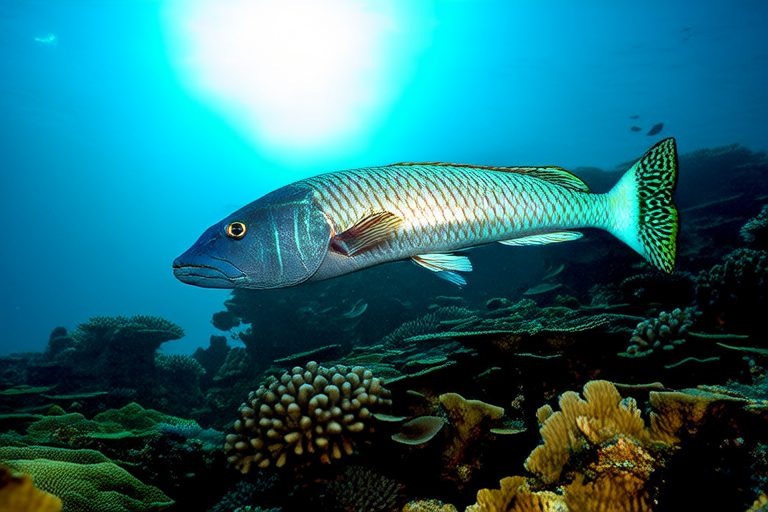
Parrot Fish: Nature’s Masterpieces in Marine Life
Introduction
In the vast and colorful underwater world of the oceans, few creatures capture the imagination quite like the parrot fish. Known for their vibrant hues and striking patterns, these fish are true masterpieces of nature. Their bodies, often adorned with shades of blue, green, yellow, and red, make them stand out among the marine life. Parrot fish are not only visually stunning but also play a crucial role in the maintenance of coral reefs, contributing significantly to the ecological balance of these vital ecosystems.
The Role of Parrot Fish in Coral Reef Health
One of the most significant roles played by parrot fish is their contribution to the health of coral reefs through herbivory. These fish consume large amounts of algae that grow on coral surfaces. By doing so, they prevent the overgrowth of algae, which can otherwise smother and kill corals. This activity helps maintain the delicate balance within the reef ecosystem, ensuring that coral has sufficient space and resources to thrive. Without the presence of parrot fish, many coral reefs would be at risk of degradation, further emphasizing their importance in marine conservation efforts.
Behavior and Habitat Preferences
Parrot fish exhibit fascinating behaviors and have specific habitat preferences that are essential for their survival. They are primarily found in tropical and subtropical waters around the world, particularly near coral reefs and rocky shores. These fish are diurnal, meaning they are most active during the day. During this time, they can be observed grazing on algae and small organisms that inhabit the reef. At night, parrot fish seek shelter in crevices or caves to avoid predators. Their social structure varies; some species live alone, while others form schools, especially when feeding or migrating.
Adaptations for Survival
To survive in their challenging marine environment, parrot fish have developed several remarkable adaptations. One of the most notable is their specialized teeth, which form a parrot-like beak used for scraping algae off rocks and coral. This adaptation not only aids in feeding but also contributes to the maintenance of reef structures. Additionally, parrot fish possess strong jaws that allow them to crush and grind up hard materials like coral and rocks, further assisting in their diet. Another adaptation is their ability to change color and pattern depending on their mood, surroundings, or level of aggression. This chameleon-like quality serves as both a defense mechanism and a means of communication within their social groups.
Threats and Conservation Efforts
Despite their importance, parrot fish face numerous threats that jeopardize their survival. Overfishing is one of the most significant challenges, as their vibrant colors make them highly sought after in the aquarium trade. Additionally, habitat destruction due to coastal development and pollution poses a serious threat to their natural habitats. Climate change and rising sea temperatures also impact the health of coral reefs, indirectly affecting parrot fish populations. To address these issues, various conservation efforts are underway. Marine protected areas have been established to safeguard critical habitats and reduce fishing pressures. Education programs aim to raise awareness about the importance of preserving marine biodiversity, encouraging sustainable practices among local communities and tourists alike.
The Significance of Parrot Fish in Marine Ecosystems
The significance of parrot fish extends beyond their beauty and ecological contributions. They serve as indicators of overall reef health, reflecting changes in the environment. Healthy parrot fish populations suggest a well-balanced ecosystem, while declines may signal underlying problems such as pollution or overfishing. Moreover, parrot fish play a key role in nutrient cycling within the reef, aiding in the regeneration of coral structures. Their presence ensures the continued vitality of coral reefs, which provide essential services like shoreline protection, tourism opportunities, and biodiversity support.
Conclusion
In conclusion, parrot fish are indeed nature’s masterpieces in marine life. With their vibrant colors, unique appearance, and vital role in maintaining coral reef health, they captivate both scientists and enthusiasts alike. Understanding and appreciating these remarkable creatures is crucial for promoting marine conservation and ensuring the preservation of our oceans’ rich biodiversity. As we continue to explore and protect these underwater wonders, let us remember the profound impact each individual parrot fish has on the intricate tapestry of marine ecosystems.
