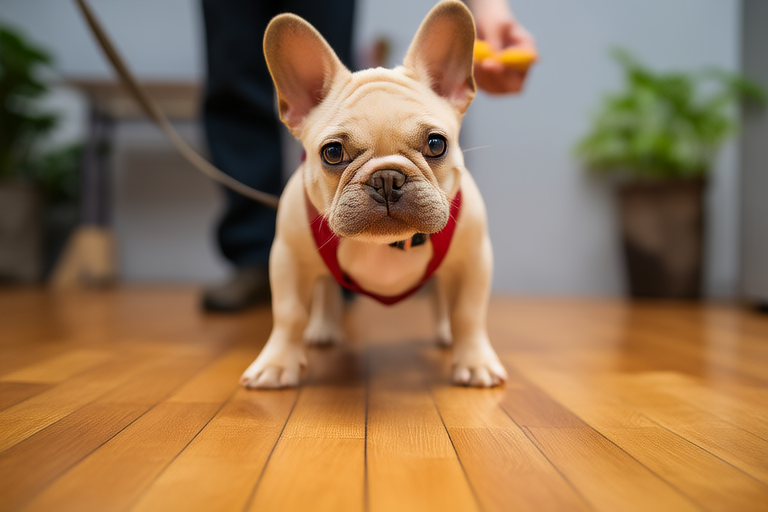
Comprehensive Guide to Training a Frenchie Puppy
Welcome to your ultimate guide for training your new Frenchie puppy! French Bulldogs are adorable, affectionate, and loyal companions. However, they also have unique traits that require special attention during training. This guide will walk you through essential steps for housebreaking, teaching basic commands, socializing, and managing their energy levels. We’ll emphasize the importance of consistency, positive reinforcement, and patience in training.
Understanding Your Frenchie Puppy
French Bulldogs are small, muscular dogs with a wrinkly face and bat-like ears. They are intelligent, curious, and playful, making them delightful pets. However, their small size and strong-willed nature mean they need patient and consistent training. Early socialization and obedience training are crucial to ensure your Frenchie grows up to be a well-behaved adult dog.
Essential Tips for Housebreaking
Establishing a Routine
Housebreaking your Frenchie puppy requires creating a consistent schedule. Feed your puppy at regular intervals and take them outside immediately after meals, naps, and playtime. Puppies typically need to go out every 2-3 hours initially but can extend these intervals as they mature. Choose a specific spot in your yard for potty breaks and always praise your puppy when they eliminate there.
Using Positive Reinforcement
Praise and treats are powerful motivators. Reward your puppy with a treat and enthusiastic verbal praise whenever they eliminate outdoors. Avoid punishing accidents; instead, clean them up thoroughly and continue reinforcing correct behavior. Use a command like “go potty” to help your puppy associate the action with the location.
Cleaning Up Accidents
Accidents happen, especially during the early stages of housebreaking. Clean up messes promptly using an enzymatic cleaner designed for pet stains. This removes odors that might encourage your puppy to return to the same spot. If you catch your puppy in the act, interrupt them gently and take them outside immediately.
Teaching Basic Commands
Sit
To teach your Frenchie to sit, hold a treat near their nose and slowly move it upwards towards their forehead. As their head follows the treat, their bottom should naturally lower to the ground. Say “sit” as they sit down, then give them the treat and praise. Repeat this several times daily until they understand the command without needing the treat lure.
Stay
Start by having your puppy sit or lie down. Hold your hand palm-up in front of their face and say “stay.” Take one step back and wait a second before returning and rewarding them. Gradually increase the distance and duration over time. Always return to your puppy and reward them for staying in place.
Come
Train your Frenchie to come when called in a distraction-free environment. Use a happy, excited tone and call their name followed by “come.” When they approach, reward them with a treat and praise. Practice this in various locations and gradually introduce distractions to reinforce the command.
Socialization Techniques
Socializing your Frenchie puppy is vital for their emotional development and helps prevent behavioral issues. Expose your puppy to different people, animals, environments, and experiences from an early age. Arrange supervised playdates with other vaccinated puppies and introduce your Frenchie to new sights, sounds, and smells gradually. Attend puppy classes where they can interact with other dogs under controlled conditions.
Managing Unique Energy Levels
French Bulldogs have moderate energy levels but can be prone to over-excitement. Provide regular exercise and mental stimulation to keep them active and engaged. Short, frequent walks and interactive play sessions are ideal. Rotate toys to prevent boredom and engage your Frenchie’s mind. Puzzle toys and treat-dispensing gadgets are excellent choices for keeping them entertained.
The Importance of Consistency, Positive Reinforcement, and Patience
Consistency is key in training. Use the same commands and routines consistently to avoid confusing your puppy. Positive reinforcement, such as treats, praise, and play, encourages good behavior and strengthens the bond between you and your Frenchie. Patience is essential, as puppies learn at their own pace. Celebrate small victories and remain calm during setbacks.
Common Challenges Specific to French Bulldogs and How to Overcome Them
Strong-Willed Nature
Frenchies can be stubborn, so persistence is necessary when training. Break commands into smaller steps and practice frequently. Keep training sessions short and fun to maintain your puppy’s interest. Redirect unwanted behaviors with positive alternatives rather than punishment.
Separation Anxiety
Many French Bulldogs experience separation anxiety. To prevent this, gradually acclimate your puppy to being alone. Start by leaving them for short periods while you’re nearby, then increase the time and distance. Provide comfort items, such as a blanket or toy, to soothe them during your absence. Crate training can also be beneficial if done correctly.
Overprotectiveness
French Bulldogs can become overly protective of their owners. Socialize your puppy extensively and expose them to different people and situations. Encourage calm behavior around strangers and discourage aggressive responses. Teach your Frenchie the “leave it” command to redirect their attention away from potential triggers.
Toys and Equipment That Aid in the Training Process
Interactive Toys
Interactive toys challenge your Frenchie mentally and physically. Puzzle toys, such as KONGs filled with treats, require problem-solving skills and provide long-lasting entertainment. Tug toys, like rope or rubber varieties, promote bonding and exercise.
Training Collars
Training collars, including harnesses and head halters, can assist in controlling your Frenchie during walks and training sessions. Choose a comfortable, well-fitted collar that doesn’t restrict breathing or movement. Never use choke chains or prong collars, as they can cause injury and stress.
Crate
A crate serves multiple purposes, including housebreaking, providing a safe space, and preventing destructive behavior. Introduce your Frenchie to the crate gradually, using treats and toys to create positive associations. Never use the crate as punishment.
Conclusion
Training your Frenchie puppy is a rewarding process that strengthens your bond and ensures a well-behaved companion. By following these guidelines and maintaining consistency, positive reinforcement, and patience, you’ll help your Frenchie grow into a confident, obedient, and loving member of your family. Remember that each puppy is unique, so tailor your approach to suit your Frenchie’s individual needs. Enjoy the journey!
