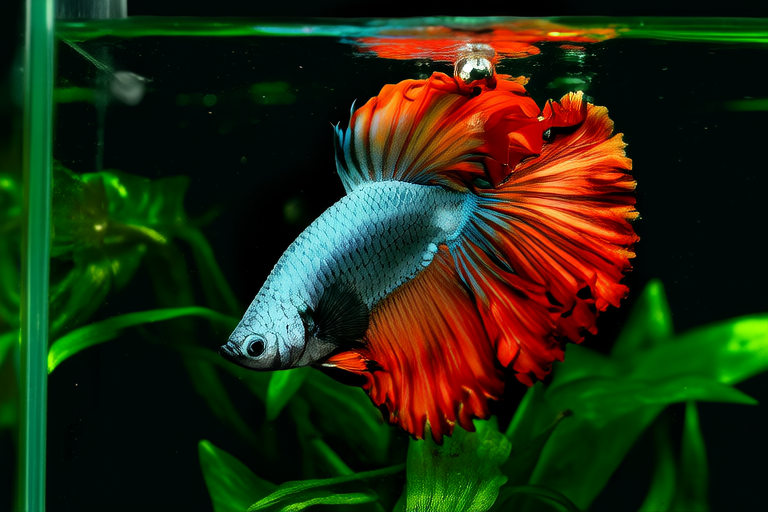
Ultimate Guide: Caring for Your Betta Like a Pro
Welcome to the Ultimate Guide to Caring for Your Betta Fish! Whether you’re a first-time owner or an experienced aquarist, this comprehensive guide will help you create the perfect environment for your vibrant and lively pet. We’ll cover everything from setting up the ideal habitat to understanding water parameters, feeding guidelines, common health issues, and interactive behaviors. Let’s dive in and ensure your betta thrives in its new home.
Setting Up the Ideal Habitat
The first step in caring for your betta is creating a suitable living environment. Bettas require a minimum of two gallons of water in their tank to thrive. While they can survive in smaller spaces, these are not ideal conditions and can lead to stress and illness. A larger tank provides more space for swimming and helps maintain better water quality.
- Tank Size: Opt for at least a two-gallon tank to give your betta enough room to swim and explore.
- Filtration: Bettas are sensitive to strong currents, so choose a filter that maintains water cleanliness without creating too much flow. Sponge filters are often recommended as they provide gentle filtration while avoiding disturbing your betta.
- Heating: Bettas originate from warm waters, and they need a stable temperature between 76°F and 82°F (24°C to 28°C). A heater is essential to keep the water within this range, preventing temperature fluctuations that could stress your fish.
- Decorations: Add plants, caves, and driftwood to mimic the natural environment of bettas. These items also serve as hiding spots and enhance the aesthetic appeal of the tank. Live or artificial plants are both acceptable, but be cautious with plastic plants to avoid sharp edges that may harm your betta.
- Substrate: Choose a fine gravel or sand substrate that won’t irritate your betta’s delicate fins. Avoid large pebbles or rocks that can trap debris and make cleaning difficult.
Understanding Water Parameters
Maintaining proper water conditions is crucial for the health and longevity of your betta. Regular monitoring of water parameters ensures a safe and comfortable environment.
- Water Temperature: Keep the water temperature between 76°F and 82°F (24°C to 28°C) using a reliable aquarium heater.
- pH Levels: Aim for a pH level between 6.5 and 7.5. Bettas can tolerate slight variations, but keeping the pH stable is important for their overall well-being.
- Ammonia and Nitrite: Both ammonia and nitrite should be undetectable in the water. These harmful compounds can cause serious health issues if present. Regular partial water changes and proper cycling of the tank are key to maintaining low levels.
- Nitrate: While less toxic than ammonia and nitrite, nitrates should be kept below 20 ppm. Perform weekly partial water changes to prevent nitrate buildup.
Feeding Guidelines
Proper nutrition is vital for your betta’s health and vitality. A balanced diet supports growth, coloration, and overall well-being.
- Diet Composition: Feed your betta a high-quality flake or pellet food designed for tropical fish. Supplement their diet with occasional treats like frozen bloodworms, brine shrimp, or daphnia. These protein-rich snacks can enhance color and promote breeding behavior.
- Portion Control: Offer small portions of food twice daily. Overfeeding can lead to poor water quality and health problems. Monitor your betta’s eating habits and adjust the amount accordingly.
- Feeding Frequency: Feed your betta two times a day, providing just enough food that it can consume within two minutes. This practice helps prevent overeating and keeps the tank clean.
Common Health Issues
Despite your best efforts, your betta might encounter health issues. Early detection and prompt treatment are essential for recovery.
- Fungal Infections: Look for white patches or cotton-like growths on your betta’s body or fins. Fungus thrives in poor water quality, so improving conditions and treating with antifungal medication can help.
- Bacterial Infections: Symptoms include redness, ulcers, or fin rot. Bacterial infections often result from stress or injury. Use antibacterial treatments and improve water quality to aid recovery.
- Swim Bladder Disease: Affected bettas may struggle to swim properly, floating upside down or sinking. This condition can stem from overfeeding or constipation. Adjust feeding habits and consider fasting for a day to help alleviate symptoms.
- Ich: Characterized by tiny white spots on the betta’s body, ich is caused by parasites. Increase the water temperature to around 86°F (30°C) and treat with ich-specific medications.
Interactive Behaviors
Bettas are known for their vibrant colors and engaging personalities. Understanding their behavior can deepen your bond with them.
- Aggression: Male bettas are territorial and may display aggressive behavior towards other males. It’s best to house only one male per tank. Females can sometimes live together in groups called sororities, provided there is ample space and hiding spots.
- Coloration: Bettas have stunning colors that can intensify with proper care. A well-fed, healthy betta will showcase vibrant hues, making it a joy to watch.
- Interactions: Bettas are intelligent and can recognize their owners. They may respond to your presence by swimming towards the front of the tank or displaying their fins. Engage with your betta by talking to them or gently tapping the glass, but avoid startling them with sudden movements.
Regular Maintenance
To maintain optimal tank conditions, follow these maintenance practices:
- Weekly Water Changes: Replace about 20% of the water each week. Use a gravel vacuum to remove debris from the substrate and clean the filter. Ensure the replacement water matches the tank’s temperature and chemical composition.
- Monthly Deep Cleaning: Once a month, perform a thorough cleaning of the tank, including scrubbing the walls, decorations, and equipment. Be cautious not to overclean, which can disrupt beneficial bacteria.
- Monitor Equipment: Regularly check the heater, filter, and lighting systems to ensure they are functioning correctly. Replace bulbs and parts as needed to maintain optimal performance.
Choosing Appropriate Tank Mates
Bettas are often sold as community fish, but they are actually quite solitary and territorial. Here are some guidelines for selecting compatible tank mates:
- Avoid Aggressive Species: Do not house bettas with aggressive or fin-nipping species like tiger barbs or serpae tetras. These fish can injure or stress your betta.
- Consider Peaceful Companions: Some peaceful, slow-moving fish like neon tetras, ghost shrimp, and certain snails can coexist with bettas. Always research potential tank mates thoroughly before introducing them.
- Single Male Policy: Housing multiple male bettas together is not recommended due to their territorial nature. However, females can sometimes live harmoniously in groups if there is sufficient space and hiding spots.
Conclusion
Caring for your betta requires attention to detail and dedication. By setting up an appropriate habitat, maintaining proper water conditions, providing a balanced diet, and regularly monitoring their health, you can ensure your betta leads a long, healthy, and happy life. Remember, each betta is unique, and observing their behavior can offer valuable insights into their needs and preferences. With this guide, you’re well-equipped to become a pro at betta care, fostering a thriving aquatic environment that brings joy to both you and your colorful companion.
