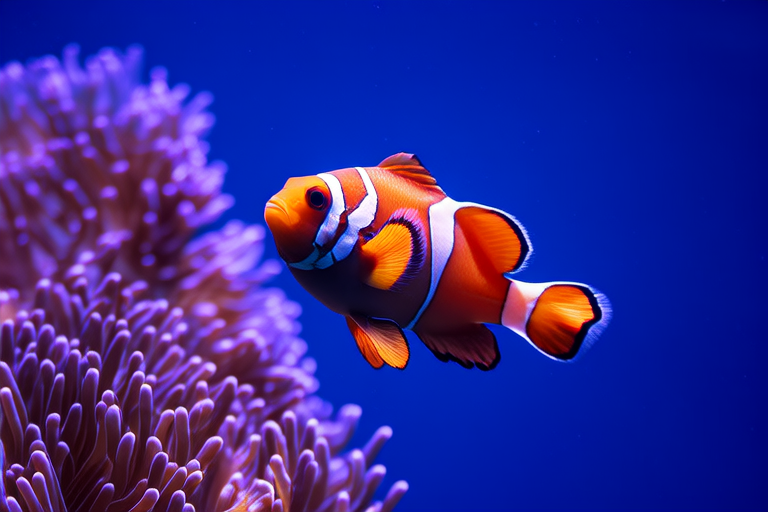
From Screen to Tank: Why Clownfish Are More Than Just Pixar Characters
When most people think of clownfish, they immediately picture Marlin and Dory swimming through the colorful coral reefs of the Great Barrier Reef in Finding Nemo. This iconic portrayal has made the clownfish one of the most recognizable marine animals in popular culture. However, behind this animated character lies a diverse and fascinating reality that goes far beyond the silver screen. Let’s dive deeper into the world of clownfish, exploring their various species, natural habitats, behaviors, and the challenges and rewards of keeping them as aquarium pets.
The Iconic Role in Finding Nemo
The 2003 Disney-Pixar film Finding Nemo introduced millions of viewers to the charming and endearing clownfish. The movie’s protagonist, Marlin, along with his adventurous son Nemo, captivated audiences with their journey across the vast ocean. This narrative not only entertained but also subtly educated viewers about marine life, particularly the clownfish. The film’s success has significantly increased interest in these fish, making them one of the most sought-after species for home aquariums.
Diversity Beyond the Common Orange Variant
While the orange clownfish (Amphiprion percula) is the most famous, there are many other species within the Amphiprion genus. These species display a wide range of colors and patterns, from the electric blue of the percula clownfish to the striking black bands of the black and white-striped clownfish (Amphiprion ocellaris). Each species has its own unique characteristics, making the study of clownfish an exciting field for marine biologists and hobbyists alike.
One lesser-known species is the cinnamon clownfish (Amphiprion melanopus), which features a deep brown coloration with white stripes. Another is the pink skunk clownfish (Amphiprion perideraion), known for its single white stripe running down its back. The variability in appearance underscores the rich biodiversity of clownfish and highlights the importance of understanding each species’ specific needs for proper care.
Natural Habitats and Behaviors
Clownfish are native to the warm waters of the Indian and Pacific Oceans, where they inhabit coral reefs. They form symbiotic relationships with certain species of sea anemones, providing protection from predators and cleaning debris from the anemone while being shielded from the anemone’s stinging tentacles by a layer of mucus. This mutualistic relationship is crucial for the survival of both species.
Clownfish are also known for their complex social structures. They live in groups led by the largest female, who is also the dominant individual. When the female dies, the next largest male in the group undergoes a sex change and becomes the new leader. This unique behavior showcases the complexity of clownfish society and their adaptability within their ecosystem.
Additionally, clownfish are territorial and can be aggressive towards intruders, especially when protecting their host anemone or guarding eggs. Their vibrant colors and bold patterns serve as a warning to potential predators, signaling their toxicity. This toxicity is derived from their diet, which includes small crustaceans and algae, making them less palatable to would-be attackers.
Unique Adaptations for Survival
Clownfish have several adaptations that make them well-suited to their environment. Their ability to change sex is one of the most remarkable. This adaptation allows clownfish populations to maintain stability even in the face of environmental changes or predation. Additionally, their close association with sea anemones provides them with a safe haven, reducing the risk of predation and allowing them to thrive in otherwise dangerous conditions.
Another adaptation is their specialized mucus coating, which protects them from the stinging cells of the anemone. This mucus is produced by the clownfish over time as they interact with the anemone, gradually building up resistance to the toxins. This process demonstrates the intricate balance between predator and prey, as well as the evolutionary strategies that have allowed these fish to coexist with such potent organisms.
Challenges and Rewards of Keeping Clownfish as Aquarium Pets
For those interested in keeping clownfish as pets, it is important to understand the challenges involved in creating a suitable environment. Clownfish require specific water conditions, including a stable temperature and pH level, as well as a suitable host anemone or alternative hiding spots. Proper filtration and regular maintenance are essential to ensure the health of the tank and its inhabitants.
Despite the initial setup costs and ongoing maintenance, keeping clownfish can be incredibly rewarding. Observing their behavior, watching them interact with their tank mates, and witnessing their growth can provide hours of enjoyment. Many aquarists find a deep sense of satisfaction in successfully breeding clownfish, a feat that requires patience and expertise.
However, it is crucial to approach clownfish ownership responsibly. Over-collection from the wild for the aquarium trade can deplete local populations, threatening the survival of these species in their natural habitats. Therefore, it is recommended to purchase clownfish from reputable breeders who prioritize ethical and sustainable practices.
The Importance of Responsible Pet Ownership and Conservation Efforts
As the popularity of clownfish continues to grow, it is more important than ever to promote responsible pet ownership and conservation efforts. By supporting ethical breeding practices and choosing sustainably sourced fish, hobbyists can help preserve clownfish populations in the wild.
Furthermore, raising awareness about the importance of marine conservation can inspire action at both individual and community levels. This includes supporting organizations dedicated to protecting coral reefs and advocating for policies that safeguard marine ecosystems. By taking these steps, we can ensure that future generations will continue to marvel at the beauty and complexity of clownfish and the underwater world they inhabit.
In conclusion, clownfish are much more than just the beloved characters from Finding Nemo. They are fascinating creatures with a rich diversity of species, complex behaviors, and unique adaptations for survival. While keeping them as aquarium pets can be a rewarding experience, it is essential to approach this responsibility with care and consideration for the well-being of these remarkable fish. By doing so, we can contribute to the preservation of clownfish and the broader marine environment for years to come.
