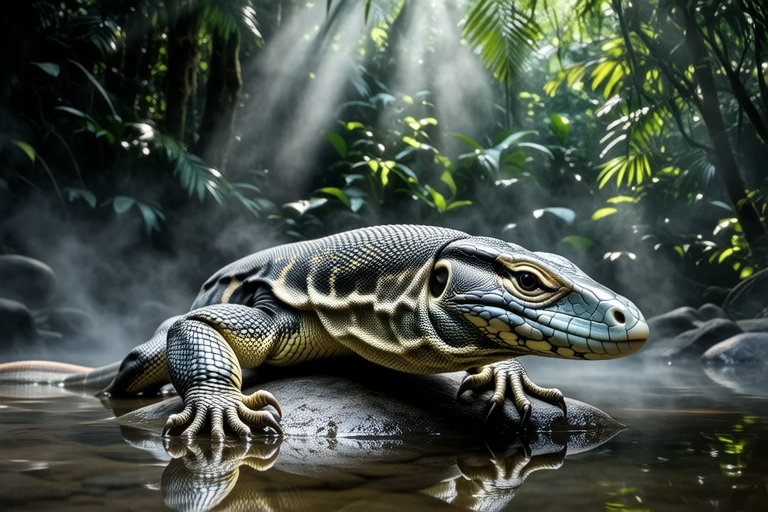
Everything You Need to Know Before Getting a Water Monitor as a Pet
Introduction
Water monitors (Varanus salvator) are among the largest lizards in the world, known for their impressive size, intelligence, and unique care requirements. As a potential owner, it’s crucial to understand the commitment involved before bringing home this exotic pet. This article aims to provide a comprehensive guide on everything you need to know about owning a water monitor, from understanding their natural habitat to the day-to-day responsibilities of care.
Native Habitats and Ideal Living Conditions
Water monitors are native to Southeast Asia, ranging from India through southern China, Indonesia, and the Philippines. They thrive in humid, tropical environments near freshwater sources such as rivers, lakes, and swamps. In captivity, replicating these conditions is essential for their health and well-being. An enclosure that mimics their natural habitat is necessary, providing both land and water areas. The tank should be spacious, with at least 6 feet of length per adult monitor, ensuring they have ample space to move around. Temperature control is also vital; maintain a basking area of 90-100°F and a cooler area of 75-85°F. Humidity levels should be kept between 60-80%.
Dietary Needs, Growth Rates, and Lifespan
Water monitors are carnivorous, feeding on a variety of prey, including fish, insects, small mammals, birds, and eggs. In captivity, their diet can include commercially available frozen-thawed rodents, feeder fish, crickets, and other appropriate prey items. Feeding frequency depends on age and size; younger monitors require more frequent meals, while adults may eat less often. Proper nutrition supports their rapid growth rate; juvenile monitors can grow up to 12 inches per year. With proper care, water monitors can live 10-15 years in captivity, sometimes even longer.
Responsibilities of Ownership: Tank Setup, Temperature Control, and Hygiene
Owning a water monitor requires significant dedication to their environment. A tank setup must include a large water area for swimming, a basking spot, and a hide box. Filtration systems help maintain clean water, reducing bacterial growth. Regular cleaning and maintenance of the enclosure are crucial to prevent health issues. Monitoring water quality, temperature, and humidity is essential. Owners must also ensure that the substrate is safe and non-toxic, as monitors may ingest it during feeding. Hygiene practices include regular cleaning of the enclosure, water changes, and disinfection of feeding and bathing areas.
Legal Considerations and Permits Required for Owning One
Before acquiring a water monitor, check local regulations and laws regarding exotic pets. Some regions may require permits or licenses to own them. International trade is regulated under CITES (Convention on International Trade in Endangered Species of Wild Fauna and Flora), meaning importing or exporting these animals may be restricted. Understanding and complying with these regulations ensures responsible ownership and helps protect the species in the wild.
Handling and Socializing These Animals
Water monitors are intelligent and can become accustomed to handling if introduced gradually. However, they are powerful and can deliver painful bites, so always approach them with caution. Start by allowing the monitor to acclimate to its new environment before attempting any handling. Use consistent, gentle movements when picking them up, supporting their body fully. Over time, with patience and consistency, some monitors may become more comfortable with human interaction. Socialization is key to building trust, but respect their boundaries and limit handling sessions to avoid stress.
Where to Adopt or Purchase a Healthy Water Monitor
Choosing a reputable breeder or rescue organization is important for obtaining a healthy water monitor. Reputable breeders prioritize the well-being of their animals, providing proper care and socialization. Rescue organizations offer another option, giving a second chance to monitors that may have been abandoned or mistreated. When selecting a monitor, look for signs of good health, such as clear eyes, alertness, and a willingness to eat. Avoid purchasing from sources that do not meet ethical standards or show disregard for animal welfare.
Conclusion
Owning a water monitor is a rewarding experience for those willing to commit to their unique needs. By understanding their native habitats, dietary requirements, and the responsibilities of care, potential owners can ensure a healthy and happy life for their pet. Remember, the decision to bring a water monitor into your home is a long-term commitment. With the right knowledge and resources, you can provide a wonderful life for this fascinating reptile.
