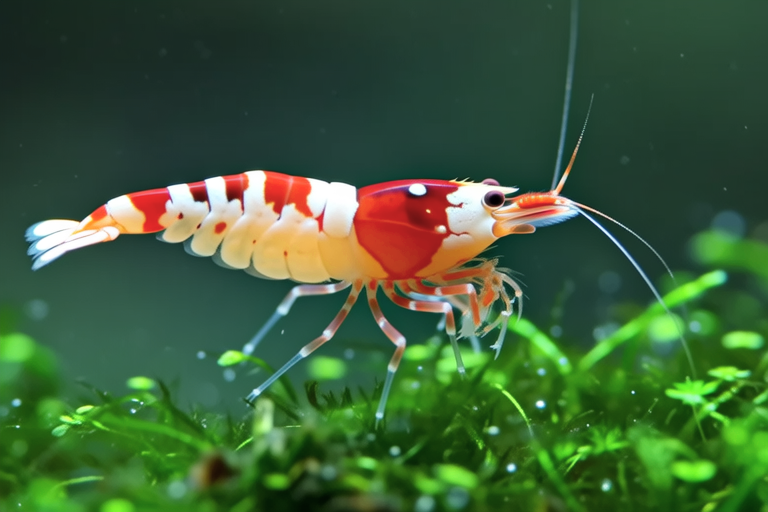
Comprehensive Care Sheet for Coral Shrimp
Coral shrimp, also known as Stenopus hispidus, are fascinating creatures that can add a unique touch to any marine aquarium. Their striking appearance, combined with their cleaning behavior, makes them a popular choice among aquarists. This guide will cover everything you need to know about setting up an optimal tank, maintaining water parameters, feeding, tank mate compatibility, common health issues, and tips for keeping your coral shrimp happy and healthy.
Optimal Tank Setup
Creating a suitable habitat for coral shrimp requires careful planning and attention to detail. A minimum tank size of 30 gallons is recommended to ensure ample space for these active swimmers. The tank should have plenty of hiding spots, such as live rock or driftwood, which provide shelter and reduce stress levels.
- Live Rock: Provides natural filtration and serves as a home for beneficial bacteria.
- Driftwood: Offers additional hiding places and helps maintain stable water conditions.
- Substrate: Fine sand or crushed coral works well; avoid sharp-edged substrates that could injure shrimp.
Adequate filtration is crucial for maintaining clean water. Choose a filter system capable of handling the tank’s volume while ensuring gentle flow rates to prevent overwhelming the shrimp. Additionally, incorporate lighting that mimics natural sunlight, promoting photosynthesis in any live plants or corals present.
Water Parameters
Consistent monitoring of water quality is essential for the wellbeing of coral shrimp. Below are ideal ranges for various parameters:
| Parameter | Recommended Range |
|---|---|
| Temperature | 72°F – 78°F (22°C – 26°C) |
| pH | 8.1 – 8.4 |
| Specific Gravity | 1.020 – 1.025 |
| Ammonia/Nitrite | 0 ppm |
| Nitrate | < 20 ppm |
| Alkalinity | 8-12 dKH |
| Calcium | 400-450 ppm |
Regular testing and adjustments using appropriate additives help maintain these levels over time. Implementing a protein skimmer further aids in removing organic waste before it breaks down into harmful compounds.
Diet and Feeding
Coral shrimp are omnivorous scavengers, meaning they consume both plant matter and small animals. In the wild, they primarily feed on algae, detritus, microorganisms, and tiny crustaceans. To replicate this diet in captivity:
- Algae Wafers: Offer nutrient-rich food specifically designed for herbivorous fish.
- Frozen Foods: Brine shrimp, mysis shrimp, and bloodworms provide necessary proteins.
- Live Foods: Daphnia and copepods stimulate hunting instincts and offer fresh nutrients.
- Vegetable Matter: Blanched spinach, nori sheets, and spirulina flakes supplement their diet.
Feed once daily, providing only what can be consumed within 2-3 minutes. Overfeeding leads to uneaten food decomposing, thereby increasing ammonia levels and compromising water quality. Monitor consumption habits closely, adjusting portions accordingly.
Tank Mates Compatibility
Selecting compatible tank mates ensures peaceful coexistence and minimizes aggression towards coral shrimp. Suitable companions include:
- Peaceful Fish Species: Clownfish, damsels, and cardinal tetras.
- Invertebrates: Cleaner shrimp, hermit crabs, and sea stars.
- Corals: Soft corals, polyps, and zoanthids.
Avoid housing coral shrimp with larger predatory species like lionfish, groupers, or triggerfish. Aggressive tank mates may harass or attempt to eat smaller inhabitants. Additionally, refrain from introducing overly territorial fish or those prone to nipping fins.
Common Health Issues
Despite proper care, occasional health problems may arise. Early detection and intervention improve recovery chances significantly. Common ailments affecting coral shrimp include:
- Parasitic Infestations: External parasites cause visible spots or patches on the body.
- Bacterial Infections: White spots or lesions indicate bacterial infections.
- Fungal Growth: Cotton-like growths on the exoskeleton suggest fungal infections.
If symptoms persist after addressing underlying causes, consult an aquatic veterinarian specializing in marine life for professional guidance. Regularly inspect your shrimp for any signs of distress, treating affected individuals promptly.
Maintaining a Healthy Environment
Proper maintenance practices contribute greatly to the longevity and vitality of coral shrimp. Perform weekly partial water changes (20%) using aged tap water treated with dechlorinator. Skim surface debris regularly and vacuum substrate gently during water exchanges.
Monitor equipment functionality, replacing filters, carbon media, and UV sterilizers according to manufacturer recommendations. Adjust salinity and temperature settings periodically to compensate for fluctuations in ambient room temperature.
Spotting Signs of Thriving vs. Stressed Shrimp
Observing behavioral patterns offers valuable insights into overall health status. Active exploration, frequent grooming, and normal feeding behaviors signal good health. Conversely, lethargy, reduced appetite, excessive hiding, or physical deformities warrant immediate investigation.
Healthy coral shrimp exhibit vibrant colors, smooth exoskeletons free from blemishes, and consistent growth rates. Pay particular attention to environmental factors contributing to potential stressors, such as overcrowding, poor water quality, or aggressive tank mates.
Conclusion
Raising coral shrimp successfully demands dedication and commitment but yields rewarding results. By following the guidelines outlined above, you’ll create a nurturing environment conducive to long-term survival and prosperity. Remember, patience and persistence pay off when cultivating thriving communities within your aquarium ecosystem.
