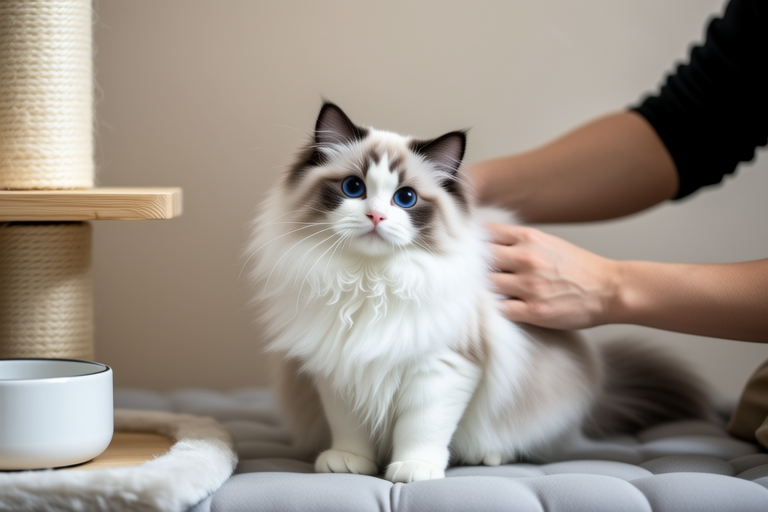
How to Care for Your Persian Cat Like a Pro: A Complete Guide
Persian cats are known for their luxurious, long coats and gentle demeanor. However, their beauty comes with a set of unique care requirements. This guide will walk you through everything you need to know to care for your Persian cat like a pro.
Diet and Nutrition Tailored Specifically for Persian Cats
Proper nutrition is essential for the overall health of your Persian cat. Their diet should be balanced and rich in high-quality proteins, fats, vitamins, and minerals. Here’s what you need to consider:
- High-Quality Protein: Look for foods that list meat or fish as the primary ingredient. Avoid foods that have grains or fillers listed first.
- Omega-3 Fatty Acids: These are crucial for maintaining skin and coat health. You can find these in fish oil supplements or certain premium cat foods.
- Water: Keep fresh water available at all times. Persian cats may be prone to urinary tract issues, so encouraging water intake is important.
- Specialized Diets: Some Persian cats might benefit from specialized diets if they have specific health conditions such as obesity or diabetes.
Consult with your veterinarian about the best diet for your Persian cat based on age, activity level, and any medical conditions.
Grooming Requirements Focusing on Their Long Coats
Persians are famous for their thick, flowing coats, which require regular maintenance to keep them healthy and free from mats. Here’s how to handle grooming:
- Daily Brushing: Invest in a good quality brush designed for long-haired cats. Brush your Persian daily to prevent matting and remove loose hair.
- Bathing: Bathing should be done infrequently, usually every few months, unless your cat gets into something messy. Use a cat-specific shampoo and ensure thorough rinsing to avoid skin irritation.
- Ear Cleaning: Check ears weekly for signs of dirt or infection. Clean gently with a cotton ball soaked in a vet-approved ear cleaner.
- Nail Trimming: Trim nails every two weeks. Use sharp clippers and be careful not to cut the quick, which can cause bleeding.
- Tooth Care: Brush teeth regularly with cat-safe toothpaste. Dental hygiene helps prevent gum disease and other oral health problems.
Regular grooming not only keeps your Persian looking beautiful but also helps maintain their overall health by reducing the risk of skin infections and hairballs.
Common Health Issues and How to Prevent Them
Persian cats are predisposed to several health issues. Early detection and prevention are key to keeping your pet healthy:
- Respiratory Problems: Due to their flattened faces (brachycephalic), Persians may experience breathing difficulties. Keep them cool during hot weather and monitor for signs of distress.
- Eye Issues: Tear staining is common in Persians. Wipe around their eyes daily to prevent irritation. Regular visits to the vet can help catch eye problems early.
- Urinary Tract Infections: Provide plenty of fresh water and consider a diet that promotes urinary tract health.
- Hypothyroidism: Monitor your cat’s weight and energy levels. Blood tests can diagnose hypothyroidism early.
Regular check-ups with your veterinarian are crucial for monitoring your Persian’s health and catching potential issues before they become serious.
Exercise and Playtime Recommendations
Despite their calm demeanor, Persian cats need mental and physical stimulation to stay healthy and happy. Here’s how to encourage exercise:
- Interactive Toys: Use toys that stimulate their hunting instincts, such as feather wands or laser pointers.
- Scratching Posts: Provide sturdy scratching posts to keep claws trimmed and to satisfy natural scratching behavior.
- Cat Trees: Install cat trees or shelves where they can climb and explore.
- Play Sessions: Spend at least 15 minutes each day engaging in interactive play. This helps burn calories and keeps them mentally engaged.
Remember, while Persians may not be as active as some breeds, they still need regular interaction and stimulation to thrive.
Tips for Creating a Safe and Comfortable Living Environment
Your Persian cat’s home should be both safe and comfortable. Here are some tips:
- Safe Spaces: Provide cozy, quiet areas where your cat can retreat when needed. Consider window perches or elevated platforms.
- Toxin-Free: Keep household chemicals and plants out of reach. Many common houseplants are toxic to cats.
- Temperature Control: Persians are sensitive to heat. Ensure your home stays cool, especially during summer months.
- Claw Protection: Protect furniture by providing scratching posts or covers. Regular nail trims can also help.
A well-thought-out environment will make your Persian feel secure and content.
Advice on Training and Socializing Persian Cats
Socialization and training are important for every cat, including Persians. Here’s how to approach it:
- Positive Reinforcement: Reward good behavior with treats and praise. Avoid punishment, which can lead to fear or aggression.
- Litter Box Training: Place the litter box in a quiet, accessible area. Clean it regularly to encourage consistent use.
- Handling: Handle your Persian gently from an early age. This helps them get used to being touched and makes grooming easier.
- Social Interaction: Introduce your Persian to different people and environments gradually. This reduces anxiety and makes them more adaptable.
Training and socialization can enhance your bond with your Persian and make them more confident and well-adjusted pets.
Conclusion
Caring for a Persian cat requires dedication and attention to detail. By following the advice outlined in this guide, you can ensure that your Persian remains healthy, happy, and thriving. Remember, every cat is unique, so tailor your care routine to meet your individual pet’s needs. With proper care, your Persian will be a beloved companion for years to come.
