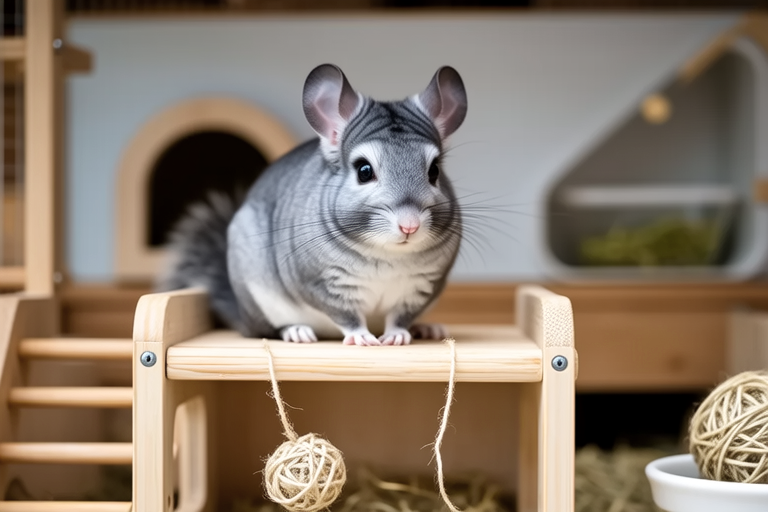
How to Create the Perfect Habitat for Your Happy and Healthy Chinchilla
Introduction to Chinchilla Habitat Needs
Chinchillas are small, adorable rodents that originate from the Andes Mountains in South America. They are known for their soft, dense fur and playful nature. Creating the perfect habitat for your chinchilla is crucial to ensure their happiness and health. Chinchillas require a specific environment that mimics their natural habitat as closely as possible. This involves providing ample space, appropriate materials, and controlled environmental conditions.
Appropriate Cage Size and Material
The first step in setting up your chinchilla’s home is choosing the right cage. Chinchillas are active creatures that need plenty of room to move around. A cage that is too small can lead to stress and health issues. Ideally, the cage should be at least 24 inches wide, 24 inches deep, and 36 inches tall. Larger cages are always better, especially if you plan on keeping multiple chinchillas together.
When it comes to cage material, metal is the best option. It is durable, easy to clean, and provides the necessary ventilation. Avoid plastic or wooden cages as they can easily be chewed by chinchillas and may harbor bacteria. Wire-bottom cages should be avoided as they can hurt your chinchilla’s feet. Instead, opt for solid flooring or provide a thick layer of bedding to cushion the bottom.
Bedding Options
Choosing the right bedding is important for your chinchilla’s comfort and hygiene. The bedding should be absorbent, dust-free, and safe for your pet. Aspen shavings are a popular choice as they are inexpensive and effective at absorbing urine. Other suitable options include paper-based bedding and recycled newspaper products. Avoid cedar and pine shavings as they contain aromatic oils that can irritate your chinchilla’s respiratory system.
Regularly changing the bedding is essential to maintain a clean and healthy environment. Aim to change the bedding at least once a week, more frequently if it becomes damp or soiled. Providing a thick layer of bedding will also help prevent your chinchilla from developing bumblefoot, a painful condition caused by walking on hard surfaces.
Temperature and Humidity Control
Chinchillas are native to high-altitude regions where temperatures are cool and humidity levels are low. Maintaining a similar environment in your home is vital for their well-being. The ideal temperature range for a chinchilla’s habitat is between 60 and 70 degrees Fahrenheit (15 to 21 degrees Celsius). Temperatures above 80 degrees Fahrenheit (27 degrees Celsius) can cause heatstroke, while temperatures below 60 degrees Fahrenheit (15 degrees Celsius) can lead to hypothermia.
In addition to temperature control, maintaining proper humidity levels is also important. Chinchillas naturally live in dry environments, so high humidity can lead to skin problems and respiratory infections. Use a dehumidifier if necessary to keep the humidity level between 40% and 60%. Avoid placing the cage near windows or doors where drafts can occur.
Proper Ventilation
Good air circulation is crucial for preventing respiratory issues in chinchillas. Ensure that the cage has adequate ventilation by choosing a cage with mesh sides or adding additional ventilation holes. However, avoid placing the cage in direct sunlight or near heat sources such as radiators or heating vents. These areas can cause overheating and increase the risk of dehydration.
Airflow should be consistent but not too strong. A gentle breeze will help keep the air fresh and prevent the buildup of ammonia from urine. If you notice any signs of respiratory distress, such as sneezing, wheezing, or nasal discharge, consult a veterinarian immediately.
Necessary Toys and Hiding Spots
Toys and hiding spots are essential for mental stimulation and physical exercise. Chinchillas are intelligent animals that enjoy exploring and playing. Provide a variety of toys, such as tunnels, chew sticks, and hanging balls. Rotate the toys regularly to keep your chinchilla interested and engaged.
Hiding spots are equally important for your chinchilla’s psychological well-being. They provide a sense of security and privacy. You can use cardboard boxes, fabric hammocks, or commercially available hideouts. Place the hideouts in different areas of the cage to encourage exploration.
Feeding Area Setup
Creating a designated feeding area within the cage is important for maintaining cleanliness and promoting good eating habits. Place the food bowl in a corner away from the litter box to prevent contamination. Chinchillas have sensitive digestive systems, so it’s important to provide a balanced diet consisting of hay, pellets, and fresh vegetables. Fresh water should be available at all times, either in a sipper bottle or a shallow dish.
Hay is the most important part of a chinchilla’s diet. It provides essential fiber and helps maintain dental health. Timothy hay is a common choice, but other grass hays like orchard grass or oat hay are also suitable. Pellets should be fed sparingly, as overfeeding can lead to obesity. Offer fresh vegetables such as carrots, bell peppers, and broccoli in moderation. Avoid fruits, which are high in sugar, and never give nuts or seeds.
Cleaning and Maintenance Tips
Maintaining a clean habitat is crucial for your chinchilla’s health. Regular cleaning helps prevent the spread of disease and keeps your pet comfortable. Start by removing any soiled bedding and replacing it with fresh material. Wipe down the cage walls and floors with a mild disinfectant solution. Allow the cage to air dry completely before reintroducing your chinchilla.
It’s also important to clean the water bottles and food bowls daily. Scrub them thoroughly with hot water and a brush, then rinse and refill. Once a week, perform a deeper cleaning of the entire cage. Remove all bedding, toys, and accessories. Disassemble the cage if possible and wash all parts with a disinfectant solution. Let everything dry completely before reassembling the cage and adding new bedding.
Safety Precautions
Ensuring the safety of your chinchilla is paramount. There are several potential hazards that you should be aware of and take steps to eliminate. First, make sure that all wires and cords are secured and out of reach. Chinchillas love to chew, and electrical cords can be dangerous if gnawed on.
Second, avoid using any toxic substances near the cage. Common household items like aerosol sprays, perfumes, and cleaning products can be harmful if inhaled. Always ventilate the area well when using these products. Third, keep the cage away from pets such as dogs and cats, as they can pose a threat to your chinchilla.
Lastly, be cautious about introducing new objects into the cage. Some materials, especially those containing chemicals or dyes, can be harmful if ingested. Always supervise your chinchilla when introducing new toys or accessories.
