How Parrot Fish Can Brighten Up Your Underwater World
Welcome to the vibrant world of parrot fish! These stunning creatures are not just visually captivating but also play a vital role in maintaining the health of marine ecosystems. With their bright colors and unique behaviors, parrot fish are a popular choice among aquarium enthusiasts. In this article, we will explore the fascinating life of parrot fish, discuss their importance in coral reef health, and provide valuable tips for setting up an aquarium that can bring these delightful fish into your home.
An Introduction to Parrot Fish
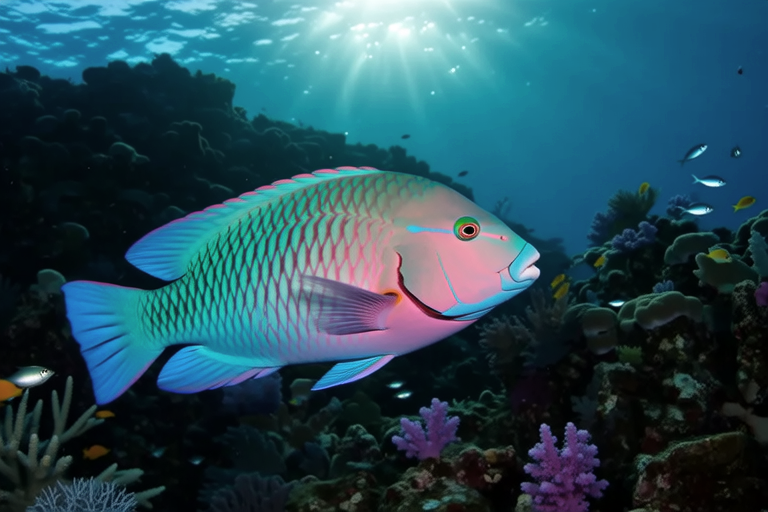
Parrot fish, belonging to the family Scaridae, are known for their strikingly vivid colors and unique physical characteristics. These tropical fish can be found in warm waters across the globe, particularly around coral reefs. Their name comes from their beak-like mouth, which they use to scrape algae off rocks and coral. The diversity in coloration among different species of parrot fish is remarkable; you might find them in shades of blue, green, yellow, orange, and even pink. This makes them a standout addition to any aquarium setup.
Parrot fish are herbivorous, feeding primarily on algae and other plant matter. They have specialized teeth arranged in rows that form a parrot-like beak, perfect for scraping algae off rocks and coral. Their diet not only provides them with essential nutrients but also helps maintain the balance within their ecosystem. By controlling algal growth, parrot fish ensure that corals receive sufficient sunlight for photosynthesis, thereby promoting overall reef health.
The Behavior and Role of Parrot Fish in Marine Ecosystems
Parrot fish exhibit interesting behaviors that make them intriguing subjects for observation. One of the most notable aspects of their behavior is their ability to change color and pattern depending on their mood or environment. This chameleon-like quality adds another layer of fascination to these already beautiful fish. Additionally, many species of parrot fish undergo significant changes as they mature, including shifts in coloration and body shape. For instance, juvenile parrot fish often display duller hues compared to their adult counterparts.
In terms of social structure, parrot fish tend to live in groups known as schools. Swimming together provides protection against predators while allowing them to efficiently search for food sources. Schools of parrot fish can sometimes number in the hundreds, creating a mesmerizing spectacle as they move through the water. Their schooling behavior also aids in reproduction, where large gatherings increase the chances of successful mating.
The ecological significance of parrot fish extends beyond their contribution to coral reef health. By consuming vast amounts of algae, they prevent overgrowth that could otherwise smother corals and other sessile organisms. Furthermore, when parrot fish digest their food, they produce sand. Yes, you read that right – sand! This process plays a crucial role in maintaining beach erosion rates and contributing to the formation of new beaches. Thus, these colorful fish are indirectly responsible for shaping coastal landscapes.
Setting Up an Aquarium Suitable for Parrot Fish
Creating a thriving habitat for parrot fish requires careful consideration of several factors including water conditions, tank size, tank mates, and feeding habits. Let’s delve deeper into each aspect:
Water Conditions
Parrot fish thrive in saltwater environments with specific parameters. Maintaining stable water conditions is crucial for their well-being. Here are some key points to keep in mind:
- Temperature: Aim for a range between 75°F (24°C) and 82°F (28°C).
- pH Level: Maintain a pH level between 8.1 and 8.4.
- Specific Gravity: Keep it at approximately 1.020 to 1.025.
- Aeration: Ensure proper oxygenation through adequate filtration and surface agitation.
Regular monitoring of these parameters using reliable test kits will help you create a healthy living space for your parrot fish.
Tank Size
Given their active nature and territorial tendencies, providing ample swimming space is essential. A minimum tank size of 100 gallons (378 liters) is recommended for a single adult parrot fish. However, if you plan to house multiple individuals or include additional tank mates, opting for larger tanks such as 200 gallons (757 liters) or more would be advisable.
Tank Mates
Selecting appropriate tank mates can enhance the harmony within your aquarium community. Consider the following guidelines:
- Compatibility: Choose peaceful species that share similar water requirements. Good options include tangs, wrasses, and angelfish.
- Size: Avoid housing smaller fish alongside larger parrot fish as they may become prey.
- Aggression: Be cautious about introducing aggressive species that could stress out or harm your parrot fish.
Research thoroughly before adding any new inhabitants to ensure compatibility and minimize potential conflicts.
Feeding Habits
Providing a balanced diet rich in nutrients is vital for sustaining the health and vitality of parrot fish. While they primarily feed on algae in their natural habitat, replicating this diet in captivity requires careful planning:
- Algae-Based Foods: Offer high-quality flakes, pellets, and frozen foods specifically formulated for herbivorous marine fish.
- Supplements: Incorporate vitamin supplements to cover any nutritional gaps.
- Live Plants: Introduce live macroalgae like Caulerpa or Chaetomorpha to mimic their natural grazing behavior.
Feed your parrot fish small portions multiple times throughout the day rather than one large meal. This approach mimics their grazing habits in the wild and promotes better digestion.
The Benefits of Keeping Parrot Fish
Keeping parrot fish in your aquarium offers numerous advantages, both aesthetic and educational. Their vibrant colors and dynamic movements add a touch of beauty to any aquatic display, transforming ordinary tanks into breathtaking underwater worlds. Moreover, observing these fascinating creatures can teach us valuable lessons about marine ecology and conservation efforts.
For novice aquarists, caring for parrot fish presents an excellent opportunity to learn about maintaining optimal water conditions and understanding the needs of various aquatic species. Experienced hobbyists, on the other hand, appreciate the challenge of creating intricate habitats that closely resemble natural reef environments. Regardless of skill level, nurturing parrot fish fosters a deeper connection with marine life and encourages responsible stewardship of our oceans.
As we conclude our exploration into the captivating world of parrot fish, remember that these remarkable creatures bring much more than just visual appeal to your aquarium. They serve as ambassadors for ocean conservation, inspiring us all to protect and preserve the delicate balance of marine ecosystems. So why not consider bringing a splash of color and life into your home with these enchanting fish?
