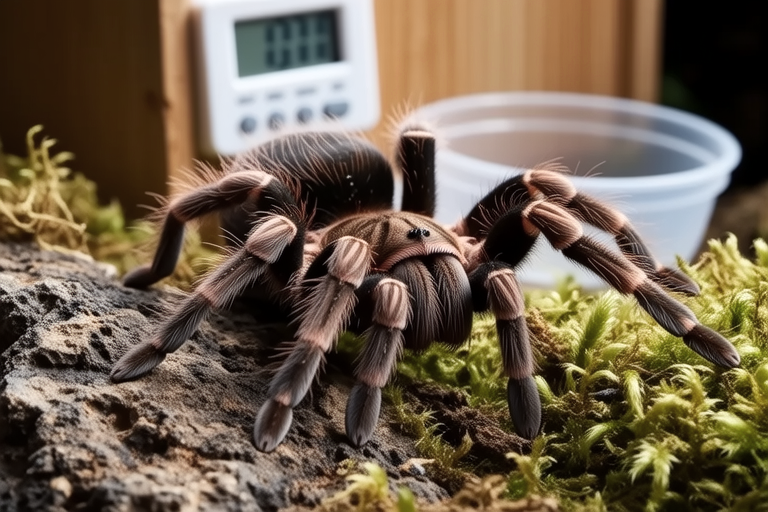
Welcome to the World of Chilean Rose Tarantulas: Your Comprehensive Care Guide
Chilean Rose Tarantulas (Grammostola rosea) are among the most popular tarantulas kept as pets due to their docile nature, beautiful coloration, and relatively low maintenance needs. This guide will help you understand how to provide the best care for your new arachnid friend, ensuring a rewarding and enjoyable experience.
Understanding Your New Pet
The Chilean Rose Tarantula originates from the deserts and scrublands of Chile, Argentina, and Uruguay. They are terrestrial, meaning they spend most of their time on the ground, and are known for their vibrant pinkish-orange hue when young, which fades to a brownish-grey as they mature. These tarantulas have a lifespan of up to 20 years, making them excellent companions for those willing to commit long-term.
Habitat Setup
Creating a suitable environment for your Chilean Rose Tarantula is crucial for its health and happiness. Here’s what you need:
- Terrarium Size: A 10-gallon tank is sufficient for an adult tarantula. Ensure there is enough space for the tarantula to move around comfortably.
- Substrate: Use a substrate that allows for burrowing, such as coconut fiber or peat moss mixed with vermiculite. The substrate should be at least three inches deep.
- Hiding Places: Provide cork bark or other natural decorations for hiding spots. Tarantulas love to hide and feel secure in their surroundings.
- Temperature and Humidity: Maintain a temperature range of 75°F to 85°F (24°C to 29°C) and a humidity level of 60% to 80%. Use a hygrometer to monitor humidity and a thermometer to check the temperature.
Feeding Guidelines
Your Chilean Rose Tarantula will thrive on a diet consisting primarily of crickets, but you can also offer other small insects like mealworms and waxworms. Feed juveniles every 3-4 days and adults once a week. Dust the prey with calcium and vitamin supplements to ensure your tarantula gets all necessary nutrients.
Remember, overfeeding can lead to obesity and health issues, so always monitor your tarantula’s eating habits. If your tarantula refuses food, don’t worry; they may be molting soon.
Handling Tips
Chilean Rose Tarantulas are generally calm and easy to handle, but they can be skittish if mishandled. Always approach your tarantula slowly and gently, allowing it to become accustomed to your presence. Never grab your tarantula by its legs or abdomen; instead, gently scoop it up from behind. If your tarantula feels threatened, it may flick urticating hairs from its abdomen, which can cause irritation to human skin and eyes. Handling should be done infrequently and only after your tarantula has settled into its new home.
Health Indicators
Regularly observing your tarantula can help you catch potential health issues early. Healthy Chilean Rose Tarantulas are active, eat regularly, and molt successfully. Signs of poor health include lethargy, refusal to eat, and difficulty moving. If you notice any concerning behavior, consult a veterinarian who specializes in exotic animals.
Common Myths About Chilean Rose Tarantulas
There are several misconceptions surrounding Chilean Rose Tarantulas that can deter potential owners. Let’s debunk some of these myths:
- Myth: Tarantulas are aggressive and dangerous. In reality, Chilean Rose Tarantulas are quite docile and rarely bite unless provoked. Their venom is mild and not harmful to humans.
- Myth: Tarantulas require constant attention. While interaction is important, tarantulas do not need constant supervision. They are solitary creatures that prefer quiet environments.
- Myth: Tarantulas are messy pets. With proper care, your tarantula’s enclosure will remain clean and odor-free. Regular cleaning and substrate changes will keep your pet healthy.
Building a Bond
Despite their reputation as solitary creatures, many tarantula owners report developing a special bond with their pets. Watching your tarantula explore its habitat, feed, and molt can be incredibly rewarding. Take the time to observe your tarantula daily, and you’ll soon notice its unique personality traits.
Molting Process
Molting is a natural process where your tarantula sheds its exoskeleton to grow. Before molting, your tarantula may refuse food, lie on its back, and secrete a silk mat beneath itself. During this vulnerable period, avoid disturbing your tarantula. Once the old exoskeleton is shed, the new one will be soft and pale. Over the next few days, the new exoskeleton will harden and darken.
Conclusion
Owning a Chilean Rose Tarantula can be a delightful and enriching experience. By following the care guidelines outlined in this guide, you can ensure your tarantula lives a long, healthy life. Remember, each tarantula is unique, and it’s important to learn about your individual pet’s preferences and behaviors. Enjoy the journey of building a special bond with your new arachnid companion.
