Unraveling the Mystery Behind the Enigmatic Beauty of the Abyssinian Cat
The Abyssinian cat is a breed that captivates the hearts and minds of cat enthusiasts worldwide. Known for its striking appearance and engaging personality, this feline has a history steeped in mystery and intrigue. From its distinctive coat patterns to its enigmatic ancestry, the Abyssinian cat offers a fascinating journey into the world of feline elegance.
Unique Physical Traits
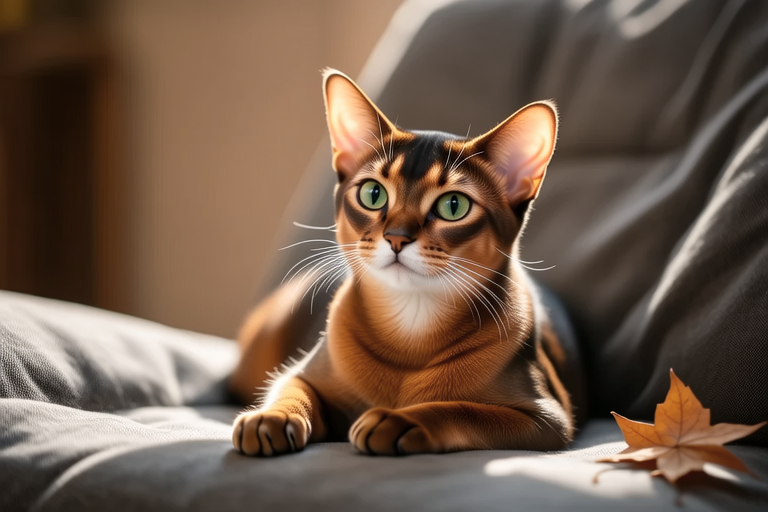
The first thing that draws attention to the Abyssinian cat is its unique physical appearance. The breed is characterized by a sleek, muscular body with long legs and a graceful posture. Their most distinguishing feature, however, lies in their coat. The Abyssinian’s fur is short, dense, and silky, featuring a ticked pattern where each hair displays bands of color. This effect gives the coat a shimmering, iridescent quality that seems to change with the light. Common colors include ruddy (a warm reddish-brown), blue, fawn, and cinnamon.
Equally striking is the Abyssinian’s large, expressive eyes. Typically almond-shaped and wide-set, they come in shades of green or gold, adding to the cat’s overall exotic allure. These eyes seem to capture the essence of the Abyssinian’s mysterious heritage, drawing you into their gaze with an almost hypnotic intensity.
Origins and History
The origins of the Abyssinian cat are shrouded in myth and speculation. One popular theory suggests that these cats hail from ancient Egypt, where they were revered as sacred beings. The name “Abyssinian” itself refers to the former country of Abyssinia, now known as Ethiopia, hinting at possible connections to the region. However, genetic studies have shown that the breed likely originated in Southeast Asia, possibly in places like India or Burma, before being introduced to Europe in the mid-19th century.
Historical accounts mention the first Abyssinian cat arriving in England around 1868, following the British victory in the Abyssinian war. The cat, named Zula, was part of the personal collection of Captain Barrett-Lennard and became a sensation among cat fanciers. Since then, the breed has undergone careful breeding to preserve its distinctive characteristics while enhancing its overall health and temperament.
Temperament and Behavior
Abyssinian cats are renowned for their lively and playful nature. They are highly active and enjoy interactive play, making them ideal companions for those who lead an active lifestyle. Their intelligence sets them apart; Abyssinians are curious and can be trained to perform simple tricks or respond to commands. This intelligence also manifests in their ability to solve problems and entertain themselves when left alone, reducing the likelihood of destructive behaviors.
Despite their independent streak, Abyssinians form strong bonds with their human families. They are affectionate but not overly demanding, preferring to interact on their terms rather than constantly seeking attention. Their social nature means they get along well with other pets and children, provided they are introduced gradually and given time to adjust.
Common Health Issues
While generally healthy, Abyssinian cats are susceptible to certain genetic conditions. One of the most notable is Periodontal Disease, which can lead to tooth loss if not managed properly. Regular dental care, including brushing and professional cleanings, is essential to maintain their oral health.
Another concern is Renal Amyloidosis, a condition where abnormal proteins accumulate in the kidneys, potentially leading to kidney failure. Early detection and management through dietary changes and medication can help prolong the cat’s life and improve its quality.
Heart murmurs and Hypertrophic Cardiomyopathy are also more prevalent in Abyssinians. Routine veterinary check-ups are crucial for monitoring heart health and addressing any issues promptly. Genetic testing can provide valuable information about predispositions to these conditions, aiding in early intervention.
Tips for Potential Owners
If you’re considering adopting an Abyssinian cat, there are several factors to keep in mind. First, ensure you have the time and resources to meet their activity levels and social needs. Provide plenty of toys and climbing structures to keep them entertained and stimulated. Interactive play sessions can strengthen your bond and help prevent boredom.
A balanced diet rich in protein and low in carbohydrates is vital for maintaining their health. Consult with a veterinarian to determine the best food options based on your cat’s age, weight, and specific health requirements. Regular grooming is necessary to maintain their coat’s shine and prevent matting. Use a soft-bristled brush to remove loose hairs and distribute natural oils.
Veterinary care is paramount for ensuring your Abyssinian lives a long, healthy life. Schedule routine check-ups and vaccinations, and be vigilant about signs of illness or discomfort. Early detection and treatment can make a significant difference in managing any health issues that may arise.
Cultural Significance and Popularity
In modern times, the Abyssinian cat continues to hold a special place in the hearts of many. Their elegant appearance and charming personality have made them popular in both homes and show rings. Many cat shows feature classes specifically for Abyssinians, celebrating their unique beauty and grace.
Artists and writers have drawn inspiration from these cats, immortalizing their image in paintings, literature, and film. Their presence in popular culture underscores their enduring appeal and the fascination they evoke. In addition to their aesthetic value, Abyssinians serve as therapy animals, providing comfort and companionship to those in need.
The breed’s global popularity has led to the establishment of various clubs and societies dedicated to Abyssinian cats. These organizations promote responsible breeding practices, education about the breed, and support for owners and enthusiasts. By fostering a community of passionate individuals, they contribute to the preservation and appreciation of this remarkable feline.
In conclusion, the Abyssinian cat is a testament to the wonders of nature and the enduring charm of felines. With their striking appearance, engaging personalities, and storied history, they continue to enchant and inspire. Whether you’re a seasoned cat lover or a newcomer to the world of felines, the Abyssinian offers a unique and rewarding experience that will leave you spellbound.
