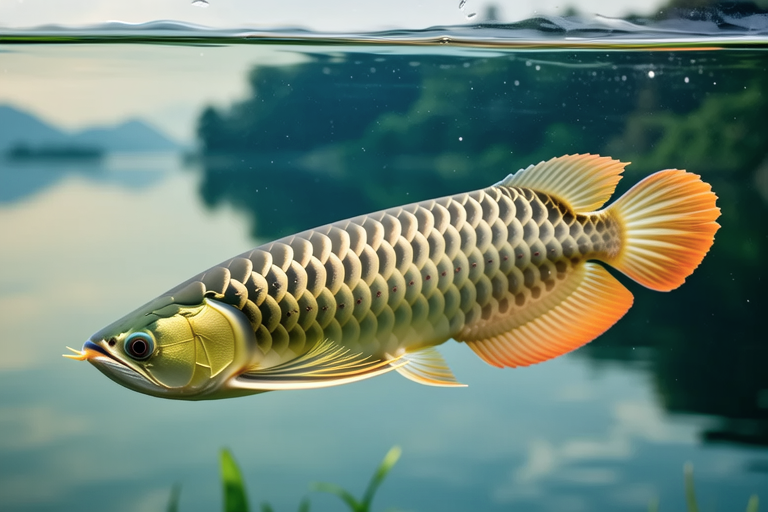
From River to Aquarium: The Thrilling Journey of Arowana
The arowana, also known as the dragonfish, is one of the most majestic and sought-after freshwater fish species in the world. Found primarily in the tropical regions of Southeast Asia, South America, and Africa, these fish are celebrated for their striking appearance, unique behavior, and cultural significance. This article takes you through the thrilling journey of arowanas from their natural river habitats to their new homes in aquariums, exploring their unique characteristics, the challenges of capturing them, and their adaptation to aquarium life.
Natural Habitat and Behavior
In their natural habitat, arowanas inhabit large, slow-moving rivers, floodplains, and swamps. They are highly adapted to these environments, thriving in clear waters with plenty of vegetation. One of the most distinctive features of arowanas is their ability to leap out of the water to catch prey, a behavior that has earned them the nickname “dragonfish.” Their elongated bodies, adorned with shimmering scales, are perfectly suited for this acrobatic feat.
Arowanas are carnivorous predators, feeding on insects, smaller fish, and even birds and small mammals that venture too close to the water’s edge. Their sharp teeth and powerful jaws allow them to seize and consume their prey with remarkable efficiency. In the wild, arowanas are also known for their parental care; they carry their eggs and young in their mouths to protect them from predators.
Capturing and Transporting Arowanas
The journey from river to aquarium begins with the challenging task of capturing these elusive creatures. Due to their size, strength, and agility, catching arowanas requires specialized equipment and techniques. Fishermen often use large nets or traps designed to mimic the natural environment, making it easier for the fish to approach and become ensnared.
Once captured, the next step is to transport the arowanas safely to their new homes. This process demands careful handling to avoid stress and injury. Specialized shipping containers equipped with oxygen tanks ensure that the fish can breathe comfortably during transit. The temperature and humidity inside the containers are meticulously controlled to maintain optimal conditions, mimicking their natural environment as closely as possible.
Adapting to Aquarium Life
Introducing arowanas to aquarium life involves several key considerations. First and foremost, dietary needs must be carefully managed. While in the wild, arowanas are opportunistic feeders, in captivity, they require a balanced diet of high-quality pellets, frozen foods, and occasional live feeder fish. It’s crucial to provide a variety of nutrients to ensure their health and longevity.
Tank requirements are equally important. Arowanas need spacious tanks with ample swimming room and plenty of hiding spots to feel secure. The ideal tank should be at least 12 feet long, 3 feet wide, and 3 feet deep, providing enough space for these active fish to swim freely. Additionally, the tank should be equipped with robust filtration systems to maintain pristine water quality. Regular monitoring of pH levels, ammonia, nitrite, and nitrate concentrations is essential to prevent any health issues.
Maintaining water quality is paramount for the well-being of arowanas. These fish are sensitive to changes in their environment, and poor water conditions can lead to stress, illness, and even death. Therefore, regular water changes and thorough cleaning of the tank are necessary. The water temperature should be kept between 78°F and 84°F (25°C to 29°C), and the pH level should range from 6.0 to 7.5.
Cultural Significance and Exotic Fish Trade
Arowanas hold significant cultural importance, particularly in Asian countries like Malaysia, Indonesia, and Singapore. In many cultures, these fish are believed to bring good luck and prosperity, making them popular as ornamental fish. The Chinese in particular view arowanas as symbols of good fortune and success, often keeping them in home aquariums as a sign of wealth and status.
The demand for arowanas in the exotic fish trade has led to a thriving market, with prices ranging from a few hundred dollars for juveniles to tens of thousands for mature specimens. However, this lucrative trade has also raised ethical concerns. Overfishing and habitat destruction have threatened wild populations, prompting conservation efforts and regulations to protect these magnificent creatures.
